
Beautiful Plants For Your Interior
Beautiful Plants For Your Interior
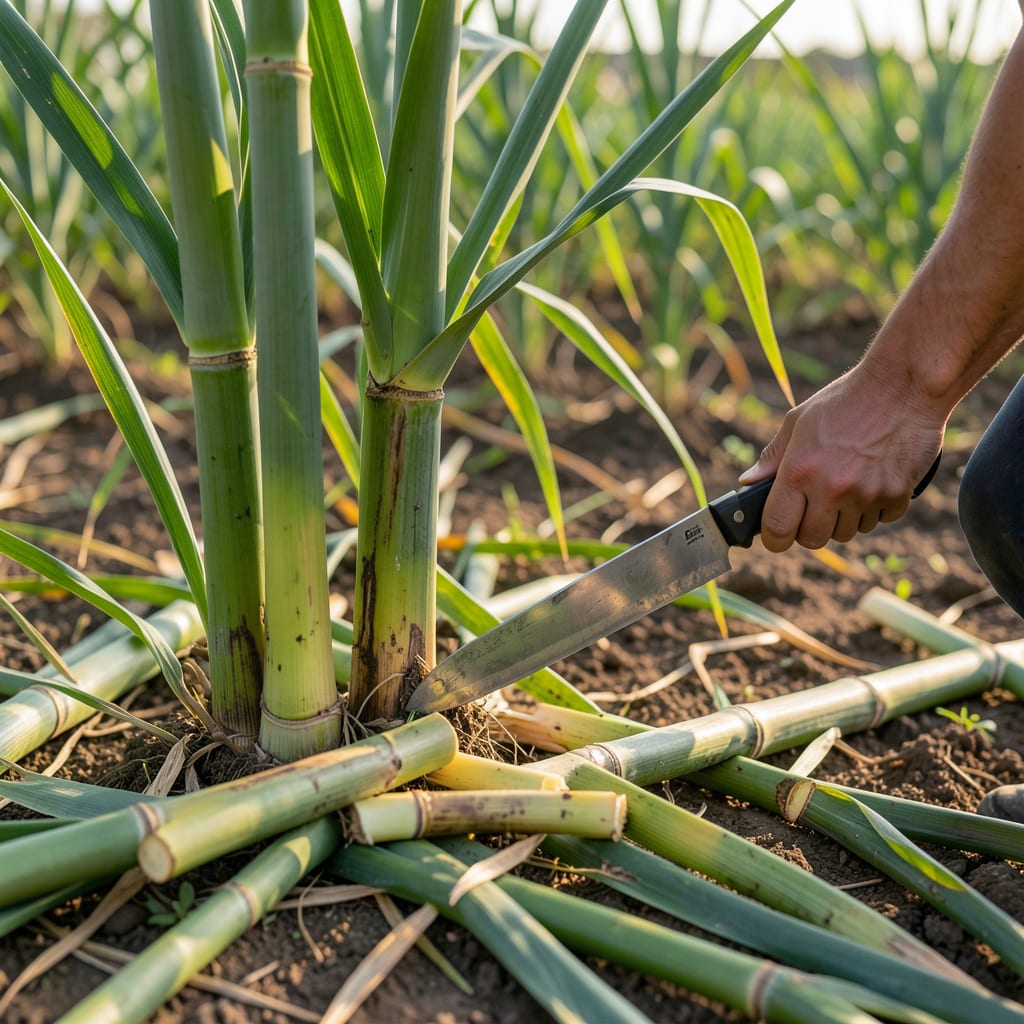
I remember the first time I harvested my 🌿 Sugarcane too early – the stalks were thin and the juice barely sweet. Timing is everything when it comes to getting the best yield from this tropical plant.
Whether you’re growing in zones 9-11 or just experimenting in your backyard, knowing the right season to harvest can transform your crop. Let me share what I’ve learned about getting it perfectly ripe.
I’ve found that sugarcane thrives in tropical and subtropical climates, where the growing season is long and warm. In these zones, the ideal harvest window is typically 12-24 months after planting.
For temperate regions, sugarcane may need extra protection from cold. The best months to harvest are June through August, when sugar content peaks and stalks are fully mature.☀️
Sugarcane Harvest by Climate
| Climate | Best Harvest Time | Key Indicator |
|---|---|---|
| Tropical | Year-round | 12-18 months after planting |
| Subtropical | Late summer to fall | Brix level above 20% |
| Temperate | June-August | Stalks 1-2 inches thick |
In tropical areas, sugarcane can be harvested year-round, but I recommend timing it to avoid the rainy season. Excess moisture can dilute sugar content and complicate field access.
For subtropical regions, late summer to early fall is prime time. The dry season helps concentrate sugars, and cooler nights signal the plant to store more sucrose in its stalks.
In temperate zones, sugarcane is riskier, but possible with care. I’ve seen success when planting in spring and harvesting in late summer. Frost protection is critical if early cold snaps threaten.
Regardless of climate, Brix levels are your best guide. I use a handheld refractometer to test stalk juice. When readings hit 20% or higher, it’s time to harvest for maximum sweetness.
Another clue is stalk appearance. Mature sugarcane has thick, heavy stalks with slightly yellowing leaves at the base. If the upper leaves are still vibrant green, the plant isn’t ready.
I also watch for node spacing. As sugarcane matures, the distance between nodes increases. When nodes are 4-6 inches apart, the stalks are likely at peak sugar content.
Weather plays a huge role too. A dry spell before harvest boosts sugar concentration, while recent rains can lower it. I always check the 10-day forecast before scheduling my harvest.
🌿I’ve learned that timing sugarcane harvest isn’t just about the calendar—it’s about reading the plant. The most reliable sign is stalk thickness. When they reach 1-2 inches in diameter, they’re likely ready.
Another clear indicator is leaf color change. The lower leaves will start to yellow slightly, while the upper leaves stay green. This signals the plant is storing sugars in the stalks.🌿
Top 4 Harvest-Ready Signs
I always test sugar content with a refractometer. When the Brix reading hits 20% or higher, the stalks are at peak sweetness. This tool removes the guesswork.
Node spacing is another giveaway. As sugarcane matures, the distance between nodes increases. When they’re 4-6 inches apart, the plant is likely ready for harvest.
Don’t harvest too early—thin stalks and vibrant green leaves mean the plant is still growing. Waiting ensures maximum sugar yield and better flavor.☀️
If you’re unsure, taste-test a stalk. Cut a small section and chew it. If it’s sweet and juicy, the rest of the crop is likely ready. This simple test has saved me from harvesting prematurely.
Finally, watch the weather forecast. A dry spell before harvest concentrates sugars, while recent rain can dilute them. I aim to harvest after several sun-filled days for the best results.🌱
I’ve tried both hand-cutting and mechanical harvesting for my sugarcane, and each has its place. Traditional machete cutting is precise and gentle on the plant, but it’s labor-intensive for large fields.
Modern harvesters are faster and more efficient, but they require significant investment and can damage stalks if not adjusted properly. For home gardeners, hand tools are often the best choice.
Harvesting Methods Compared
✅ Traditional (Machete)
❌ Modern (Mechanical)
I always burn my fields before harvesting to remove dry leaves and reduce pests. This is controversial due to air quality concerns, but it’s a common practice in commercial farming.
For home gardeners, skipping the burn is fine. Instead, I trim leaves manually and inspect stalks for pests or disease. This keeps my small crop healthy without the environmental impact.
Post-harvest, I cut stalks at ground level and remove tops to prevent sugar loss. Quick processing is key—sugarcane starts losing sweetness within 24-48 hours after cutting.
🌿It typically takes 12-24 months from planting to reach full maturity. In tropical climates, it may be ready closer to 12-18 months, while cooler regions often require the full 2 years for optimal sugar content.
Use a handheld refractometer to test the Brix level in stalk juice. A reading of 20% or higher indicates peak sweetness. For a quick check, taste-test a stalk—it should be sweet and juicy.
It’s best to wait several sun-filled days after rain. Excess moisture can dilute sugar content and make stalks harder to process. Dry conditions concentrate sugars for a better yield.
Overripe stalks may become woody or fibrous, and sugar content can start to decline. If lower leaves turn completely brown or stalks feel dry, it’s past its prime. Harvest when leaves are just beginning to yellow.
