
Beautiful Plants For Your Interior
Beautiful Plants For Your Interior
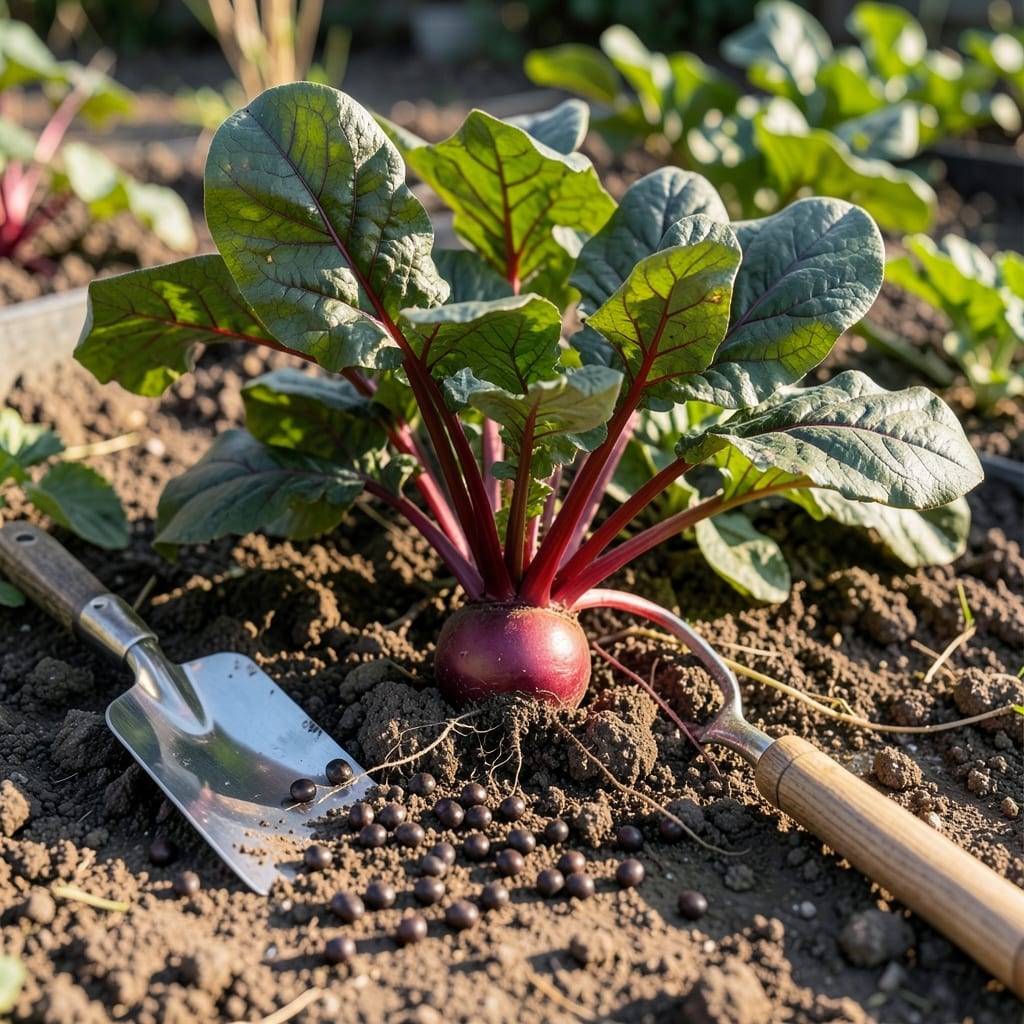
Timing is everything when it comes to planting 🥔 beets—get it right and you’ll enjoy sweet, tender roots all season long. Plant too early or too late, and you risk bitter, woody harvests or poor germination.
In USDA Zone 6a, the sweet spot is April to May, when soil warms to at least 40°F. This timing ensures strong germination and avoids the pitfalls of cold or overly hot conditions.
I’ll walk you through the key factors that determine the perfect planting window, so you can grow the best beets of your life.
When I plant my beet seeds, I always check the USDA zone first. In cool climates like Zone 6, early spring is ideal. The soil temperature needs to hit at least 40°F for germination to start strong.
For warmer regions, I adjust my timing. In Zones 7-9, I can plant as early as late winter or even enjoy a fall crop when temperatures cool down again. This flexibility lets me grow beets almost year-round in some areas.
| Climate Zone | Spring Planting | Fall Planting |
|---|---|---|
| Zones 3-4 | 4-6 weeks before last frost | 8-10 weeks before first frost |
| Zones 5-6 | 2-4 weeks before last frost | 6-8 weeks before first frost |
| Zones 7-9 | Late winter to early spring | Late summer to early fall |
I’ve found that soil temperature is more critical than air temperature. Beets won’t germinate well in cold soil below 40°F, but they’ll also struggle in hot soil above 85°F. A soil thermometer is my go-to tool for accuracy.
In my experience, successive planting works wonders. I sow a new batch every 2-3 weeks until late spring. This gives me a continuous harvest rather than one big batch all at once.
For fall planting, I count backward from the first frost date. Beets need about 50-70 days to mature, so I
I always mulch my beet beds to maintain even soil moisture. This is especially important in hot climates where the soil can dry out quickly. A 2-inch layer of organic mulch does the trick.
The variety matters too. For early spring, I choose cold-tolerant types like ‘Boltardy’. In warmer weather, ‘Detroit Dark Red’ performs beautifully for me.
Remember that day length affects beet growth. Longer days in summer can cause beets to bolt to seed prematurely. That’s why I prefer spring and fall plantings in most regions.
Finally, I always water consistently after planting. Beet seeds need even moisture to germinate properly. I aim for about 1 inch of water per week, either from rain or irrigation.
With these timing strategies, I’ve had great success growing sweet, tender beets year after year 🌱
I’ve learned that beet seeds need soil temps between 50-85°F to thrive. Below 40°F, they’ll struggle to sprout, and above 85°F, they may turn bitter and woody. A soil thermometer is essential for precision.
Day length plays a crucial role too. Beets form sweet roots best with 12-14 hours of daylight. In summer’s longer days, they may bolt to seed prematurely, which is why I focus on spring and fall plantings.
🌱 Key Takeaway
Beets need 50-85°F soil and 12-14 hour days for optimal growth. Avoid extreme heat to prevent toughness.
I always test my soil temperature at 2-inch depth before planting. If it’s too cold, I wait or use row covers to warm the soil. In hot climates, I plant in partial shade to keep temps in check.
For early planting, I choose cold-tolerant varieties like ‘Lutz Winter Keeper’. These can handle lower temps better than standard types. In warm weather, ‘Red Ace’ resists bolting and stays tender longer.
I’ve noticed that consistent moisture helps regulate soil temperature. Beets in dry soil heat up faster, while well-watered beds stay cooler. I aim for 1 inch of water weekly to maintain balance.
Finally, I track daylight hours in my area. When days exceed 15 hours, I switch to shade cloth or adjust planting times to avoid bolting and ensure sweet, tender beets 🌿