
Beautiful Plants For Your Interior
Beautiful Plants For Your Interior
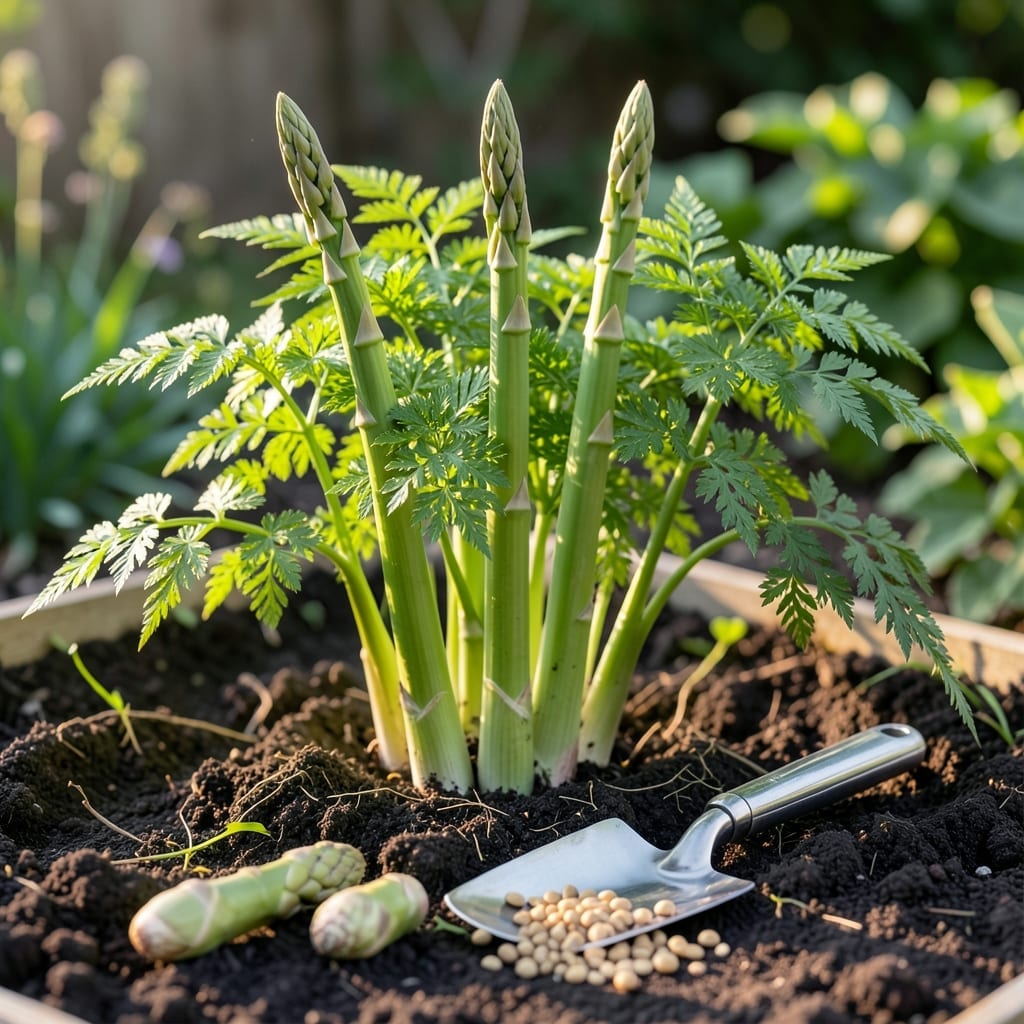
Planting asparagus 🥬 at the right time is the secret to a thriving harvest for years to come. This perennial favorite rewards patient gardeners with tender spears, but timing is everything.
Whether you’re in zone 3 or 10, knowing when to get those crowns in the ground makes all the difference. Early spring offers the best window for establishment.
Let me walk you through the seasonal timing that ensures strong growth. With proper planning, you’ll enjoy bountiful harvests from April through June.
Timing your asparagus planting correctly sets the stage for years of bountiful harvests. As a perennial crop, it needs the right conditions to establish strong roots before the growing season kicks in.
I’ve found that early spring is ideal for most regions, but the exact window varies by USDA hardiness zone. Soil temperature and frost dates play crucial roles in determining when to plant those crowns or seeds.
| USDA Zone | Planting Window | Soil Temp |
|---|---|---|
| Zones 3-4 | Late April – May | 50°F+ |
| Zones 5-6 | March – April | 50°F+ |
| Zones 7-8 | February – March | 50°F+ |
| Zones 9-10 | December – February | 50°F+ |
In cooler zones 3-4, wait until all danger of hard frost has passed. The soil needs to warm to at least 50°F for crowns to thrive, which typically happens in late April or May. 🌱
For zones 5-6, you can start planting as early as March. The ground thaws sooner here, giving your asparagus a head start. Just ensure the soil isn’t waterlogged from winter rains.
Zones 7-8 enjoy a longer growing season, so February to March is perfect. The mild winters allow for earlier planting, but avoid periods of unexpected cold snaps.
In the warmest zones 9-10, winter planting works best. Aim for December to February to avoid the scorching summer heat, which can stress young plants.
If you’re starting from seeds, begin indoors 12-14 weeks before your last frost date. This gives seedlings enough time to develop before transplanting outdoors.
Remember, asparagus crowns are more forgiving than seeds. They establish faster and often produce a harvest a year sooner. Either way, well-draining soil and full sun are non-negotiable for success. ☀️
Check your local frost dates and soil temperature with a simple thermometer. When the conditions align, your asparagus will thank you with vigorous growth and abundant spears for years to come.
Planting asparagus crowns properly ensures a productive bed for 15-20 years. The key is preparation—choose a sunny location with well-draining soil and work in plenty of compost before starting.
I always recommend digging 8-inch deep trenches spaced 18 inches apart. This gives roots room to spread while keeping crowns at the ideal depth for strong establishment.
After planting, water thoroughly to settle the soil. Keep the bed consistently moist but not soggy during the first growing season as the plants establish their root systems.
I’ve learned that mulching heavily with straw or leaves helps retain moisture and suppresses weeds. This is especially important in the first year when plants are focusing on root development rather than spear production.
Resist the urge to harvest in the first year. Let the plants grow into fern-like foliage to build energy reserves. You can start light harvesting in the second year, but full production begins in year three.
For best results, fertilize lightly with a balanced 10-10-10 in early spring and again after harvest. This gives your asparagus the nutrients it needs for vigorous growth year after year. 🌱