
Beautiful Plants For Your Interior
Beautiful Plants For Your Interior
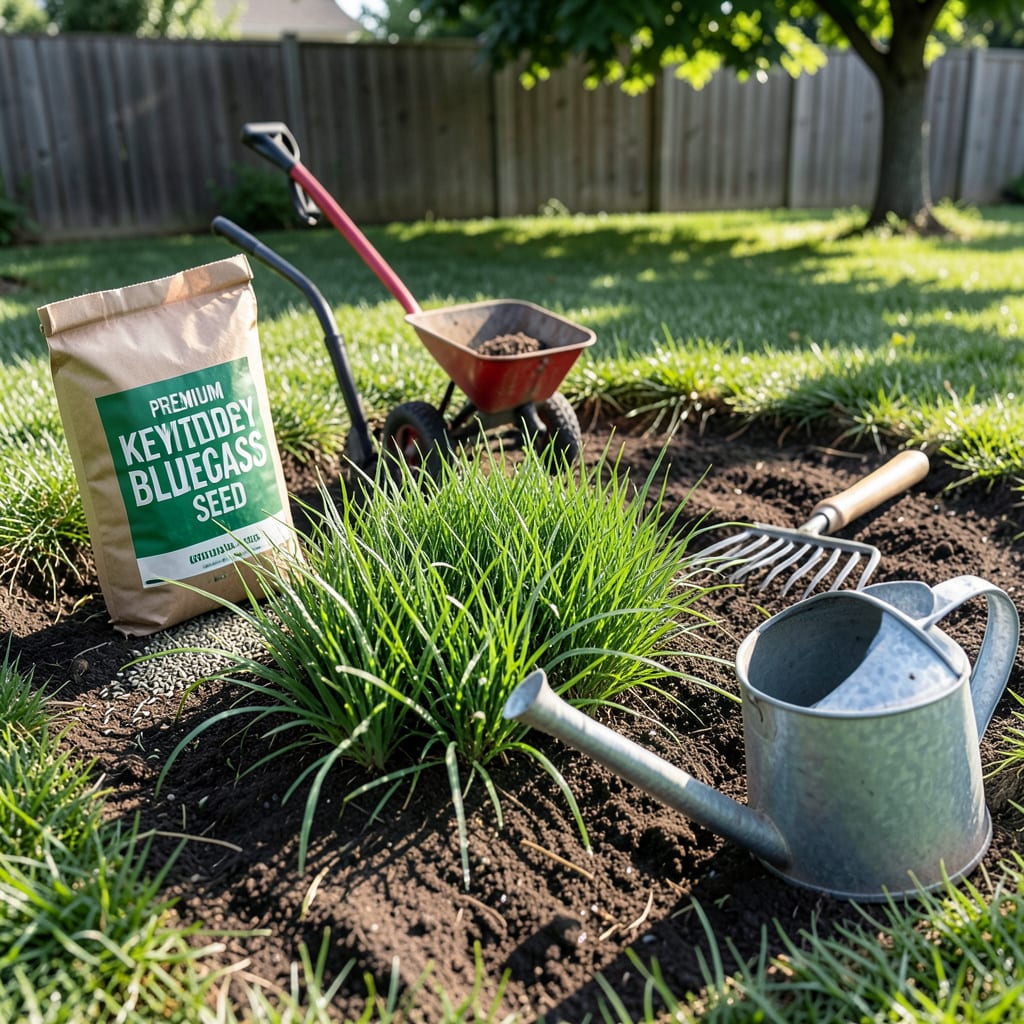
That perfect lawn you’ve been dreaming of starts with one critical decision: when to plant your grass seed in spring. Get it wrong, and you’re stuck with patchy growth or wasted effort—but nail the timing, and you’ll watch your yard transform into a lush, green carpet in weeks.
I’ve seen too many homeowners rush the process, only to battle weeds or weak roots later. The secret? It’s not just about the calendar—it’s about soil temperature and your grass type. Let me show you how to time it for faster, thicker growth without the guesswork.
Spring is the golden window for planting grass seed, but timing varies wildly depending on where you live and what type of grass you’re growing. If you sow too early, you risk seed rot from cold, wet soil. Plant too late, and heat stress can stunt growth. The secret? Soil temperature—not just the calendar.
For cool-season grasses like Kentucky bluegrass or fescue, aim for soil temps between 50°F–65°F. Warm-season varieties like Bermuda or Zoysia need 70°F+ to thrive. Your local last frost date is another critical marker—most regions should plant 2–4 weeks after this date.
| Region | Grass Type | Planting Window | Soil Temp |
|---|---|---|---|
| Northeast | Cool-Season | Late March–Mid April | 50°F–60°F |
| Midwest | Cool-Season | Early April–Early May | 55°F–65°F |
| South | Warm-Season | Late April–May | 70°F+ |
| West | Cool/Warm Mix | March–April (Cool), May (Warm) | 55°F–75°F |
*Soil temps measured at 2″ depth. Use a soil thermometer for accuracy.
In the Northeast and Midwest, early April is often ideal for cool-season grasses, while Southern states should wait until late April or May for warm-season varieties. The West’s diverse climates mean coastal areas can plant earlier, while desert regions need to wait for warmer soil.
Don’t rely on air temperature alone—soil temperature is the real game-changer. A simple $10 soil thermometer from your local garden center can save you from costly mistakes. I always check mine at 2-inch depth first thing in the morning for the most accurate reading.
If you’re overseeding an existing lawn, time it right before a light rain to help seeds settle. For new lawns, prepare the soil 1–2 weeks ahead by tilling and adding compost. This gives weeds time to sprout so you can remove them before planting.
Pro tip: Kentucky bluegrass germinates best at 55°F–65°F, while Tall fescue tolerates slightly cooler soils. If you’re in a transition zone (like Virginia or Missouri), consider a mix of cool and warm-season grasses for year-round green.
Remember, spring planting competes with weed growth and unpredictable rain. If your schedule slips, early fall is the second-best time to plant—often with even better results due to fewer weeds and more stable temperatures.
Still unsure? Contact your local cooperative extension office for hyper-local advice. They often provide free soil tests and region-specific guides. I’ve found their recommendations are far more reliable than generic online charts.
Once your seeds are in the ground, keep the soil consistently moist (but not soggy) for the first 2–3 weeks. Use a light mulch like straw to retain moisture and protect seeds from birds. Avoid heavy foot traffic until the grass reaches 3–4 inches tall.
By matching your planting time to soil temperature, grass type, and local climate, you’ll see germination in as little as 7–14 days. Skip the guesswork—your lawn will thank you with thick, healthy growth all season long! 🌱
Even with the perfect grass seed, cold soil can stall germination for weeks—or worse, cause rot. After testing countless methods in my own lawn, I’ve found three soil temperature tricks that consistently deliver faster, thicker growth. The key? Working with nature, not against it.
Most DIYers make the mistake of planting when air temps hit 60°F, but soil temperature is what really matters. Cool-season grasses need 50°F–65°F at 2-inch depth, while warm-season types demand 70°F+. Here’s how to hit those targets—even if your spring is unseasonably chilly.
⚠️ Avoid: Planting in muddy soil or after heavy rain—this compacts soil and suffocates seeds.
My favorite tool is a digital soil thermometer with a long probe—it costs under $15 and takes the guesswork out of timing. I check my lawn’s temperature at three random spots to ensure consistency. If readings vary widely, I focus on the sunniest areas first, as they’ll warm up fastest.
For stubbornly cold soils, black plastic sheeting works like a mini greenhouse. Lay it flat over your prepared seedbed and secure the edges with garden staples. After 5–7 days, remove it just before planting. This trick is especially useful in the Northeast or Midwest, where springs stay cool longer.
Watering timing matters more than most realize. I’ve seen germination rates double when watering aligns with soil’s peak warmth (usually 10 AM–noon). Use a gentle spray nozzle to avoid displacing seeds, and keep soil moist but not soggy—think damp sponge, not mud pit.
If you’re dealing with clay-heavy soil, mix in 1–2 inches of compost before planting. This improves drainage and helps soil warm faster. For sandy soils, a light layer of peat moss (¼ inch) retains moisture without smothering seeds. Both adjustments can shave 3–5 days off germination time.
Remember: Patience beats haste with grass seed. Rushing to plant in 45°F soil often leads to rot or uneven growth. When in doubt, wait for that 50°F threshold—your lawn will establish twice as fast with half the effort. And if spring slips away? Early fall planting often yields even better results with fewer weeds to compete with. 🌱
Planting grass seed at the wrong time isn’t just a minor setback—it can mean wasted money, patchy growth, or even a dead lawn that needs complete redoing. I’ve seen homeowners make this mistake, and the results aren’t pretty. Let’s break down exactly what goes wrong when timing is off, and how to fix it.
Plant too early (soil below 50°F), and you risk seed rot from excess moisture or fungal diseases like damping-off. The seeds may also enter dormancy, waiting for warmer conditions—meaning you’ll get sparse germination or uneven patches that take months to fill in.
Fix: Re-seed with fungicide-treated seed when soil warms.
Fix: Water 2x daily and use shade cloth temporarily.
Cool-season grasses like Kentucky bluegrass or fescue suffer more from late planting—they struggle in heat above 80°F. Warm-season grasses like Bermuda or Zoysia, planted too early, may fail to germinate entirely if soil stays below 65°F for long.
If you’ve planted too early, don’t panic. First, stop watering until soil warms to avoid rot. Then, lightly rake the area and re-seed with fungicide-treated seed when temps hit 50°F+. For late plantings, increase watering to twice daily (morning/evening) and apply a light mulch to retain moisture.
The biggest mistake I see? Ignoring soil prep when re-seeding. Always loosen the top ¼ inch of soil before adding new seed—this improves seed-to-soil contact by 40%. Use a starter fertilizer (high in phosphorus) to boost root growth, but avoid heavy nitrogen until after germination.
Remember: Nature gives second chances! If your spring planting fails, early fall (September–October) is often even better for grass seed. Cooler temps, fewer weeds, and more consistent moisture create ideal conditions. Don’t waste money on summer patching—wait for the next optimal window instead. 🌱
For most regions, early March is too early unless you’re in the deep South with warm-season grasses. Soil temps below 50°F risk seed rot or dormancy. Wait until 2–4 weeks after your last frost date for best results.
Use a soil thermometer to check temps at 2-inch depth in the morning. Cool-season grasses need 50°F–65°F, while warm-season types require 70°F+. If you don’t have a thermometer, watch for dandelions blooming—that’s nature’s signal!
A light frost won’t harm germinating seeds, but hard freezes (below 28°F) can damage tender sprouts. If frost is forecast within 5–7 days of planting, cover the area with frost cloth or straw for protection.
Fall is often ideal due to cooler temps, fewer weeds, and consistent moisture. However, spring works well if you plant early enough to avoid summer heat. In transition zones, split your seeding—60% in fall, 40% in spring—for year-round green.
Germination typically takes 7–21 days, depending on grass type and conditions. Kentucky bluegrass may take 2–3 weeks, while ryegrass sprouts in 5–10 days. Keep soil consistently moist (not soggy) during this period for best results.
