
Beautiful Plants For Your Interior
Beautiful Plants For Your Interior
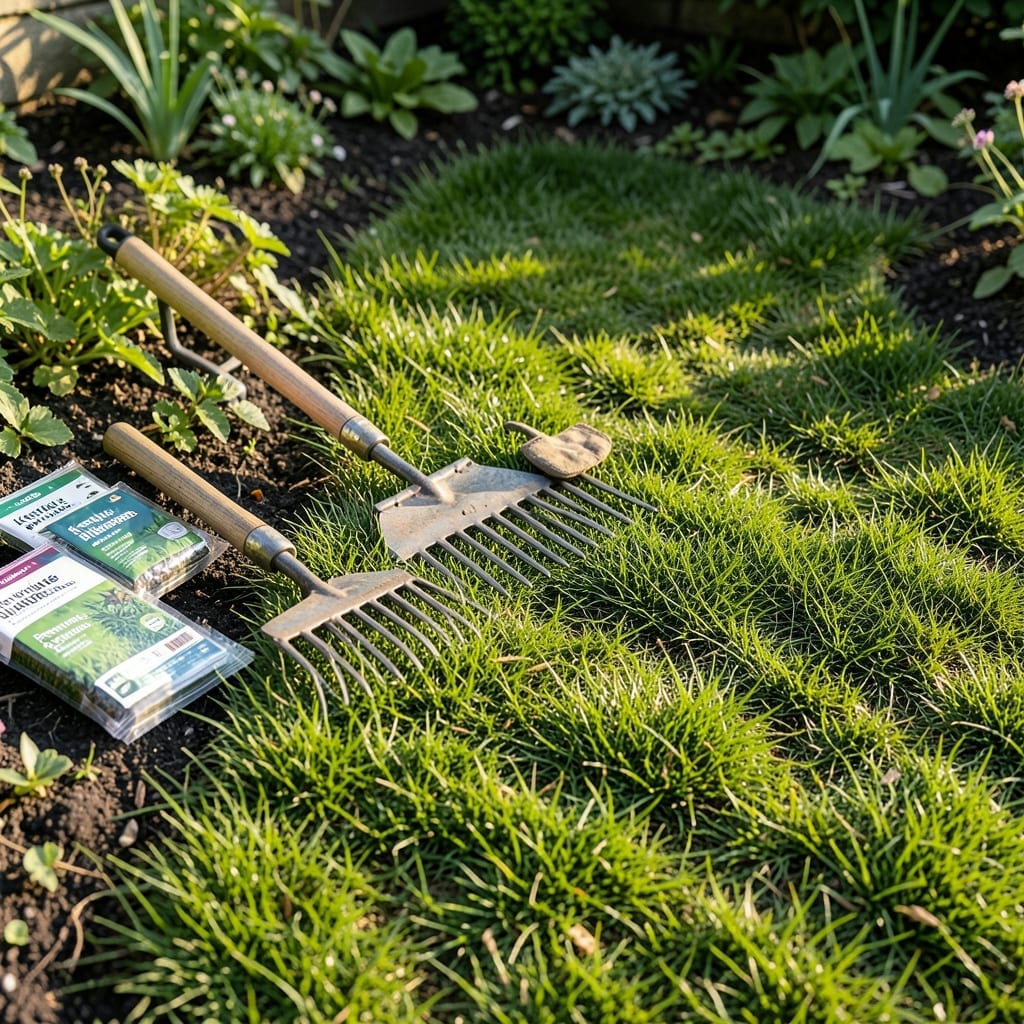
Timing is everything when planting Grass 🌱 in Minnesota’s challenging Zone 4 climate. Plant too early or too late, and you risk poor germination, weak roots, or winter kill.
I’ve seen too many homeowners struggle with patchy lawns because they missed the optimal window. The good news? There’s a simple schedule that works with Minnesota’s unique seasons.
Whether you’re starting fresh or overseeding, knowing the right timing can make or break your lawn’s success. I’ll walk you through the best months and conditions for planting.
Discover how to align your efforts with nature’s rhythm for a lush, resilient lawn that thrives year after year.
In Minnesota’s Zone 4, timing your grass seed planting is critical for a lush lawn. The best windows are early fall and spring, but fall takes the crown for cool-season grasses.
Cool-season varieties like Kentucky bluegrass and tall fescue thrive when planted between August 15 and September 15. Soil temps of 50-65°F are ideal for germination.
| Season | Best Months | Soil Temp | Grass Type |
|---|---|---|---|
| Early Fall | August 15 – Sept 15 | 50-65°F | Cool-season |
| Spring | April – May | 50-60°F | Cool-season |
| Late Summer | Avoid | Too hot | All types |
Fall planting gives grass 6-8 weeks to establish before winter dormancy. The cool air and warm soil create perfect conditions for root growth without summer stress.
Spring planting works but has challenges. April-May can be unpredictable with late frosts. Weeds also compete aggressively in spring, making fall superior for most homeowners.
Avoid planting in summer heat. High temps dry out soil quickly, and new grass struggles without constant watering. July-August plantings often fail without irrigation systems.
Soil temperature is more important than air temp. Use a soil thermometer to confirm 50°F minimum before planting. 60-65°F is the sweet spot for fastest germination.
For warm-season grasses like Zoysia, wait until late May when soil consistently hits 65°F. These varieties are less common in Minnesota but can work in southern regions.
Remember Minnesota’s frost dates: last spring frost around May 15 and first fall frost near October 15. Plant at least 45 days before first frost for fall success.
I always recommend early fall for my Minnesota clients. The results speak for themselves with thicker, healthier lawns that survive harsh winters better than spring plantings.
🌱
Minnesota’s diverse microclimates mean your planting window shifts depending on where you live. In the Northern regions, like Duluth, the season is shorter due to earlier frosts. I recommend starting August 10-25 for cool-season grasses.
For the Metro area (Minneapolis/St. Paul), you’ve got more flexibility. Aim for August 15-September 1 to give roots time to establish before winter. This timing avoids both summer heat stress and early frosts
In Southern Minnesota, near the Iowa border, you can push your planting to August 20-September 10. The warmer soil and later frosts give seeds extra time to germinate. Just watch for drought conditions in late summer.
Remember, cool-season grasses like Kentucky bluegrass and tall fescue thrive in these windows. For warm-season grasses, you’d need to adjust, but they’re rare in Minnesota’s Zone 4 climate.
I always check the 10-day forecast before planting. If night temps drop below 50°F, germination slows dramatically. Also, ensure your soil prep is done 1-2 weeks prior to seeding.
Pro tip: Late summer rains often make August ideal for planting. But if it’s been dry, you’ll need to water daily until seeds sprout. Consistency is key for a lush lawn 🌿