
Beautiful Plants For Your Interior
Beautiful Plants For Your Interior
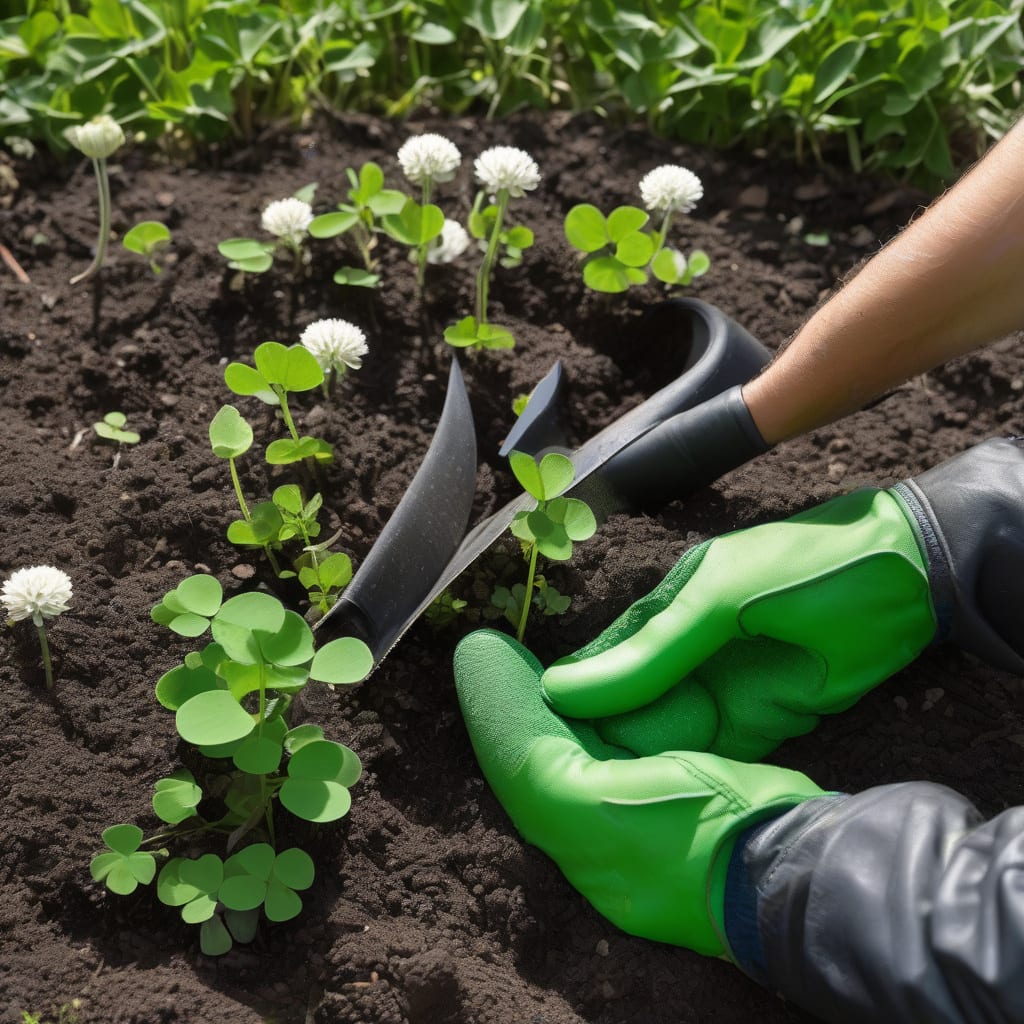
Planting clover 🌿 in your lawn can create a lush, eco-friendly landscape, but timing is everything. In USDA Zone 6, you’ll want to plant at the right moment for optimal growth.
The best times to plant are in early spring or fall when temperatures are mild. I’ll guide you through the optimal planting times and tips for successful establishment. Let’s get started.
Ideal Time
Also Good
The ideal time to plant clover in your lawn depends on your climate and region. In general, early spring and fall are considered the best times 🌿.
For areas with cold winters like USDA Zone 6, planting in early spring allows clover to establish itself before the heat of summer. In regions with mild winters, fall planting is often preferred as it gives clover a head start on the next growing season.
When planting in early spring, wait until the soil temperature reaches at least 40°F for optimal germination. For fall planting, aim to plant at least 6 weeks before the first frost to give the clover enough time to establish 🌟.
The soil temperature is a critical factor in clover germination. You can check this using a soil thermometer. For most regions, April and September are typically good months for planting clover, as they offer the right balance of moisture and temperature 🌱.
In regions with mild winters, you can also consider planting in late winter. if the if the soil is workable and there’s still time before the ground freezes 🌟.
For optimal results, it’s essential to choose a clover variety that’s suitable for your region and lawn conditions. Some popular varieties include white clover and microclover, which are known for their durability and low maintenance requirements 🌱.
When preparing to plant, нашим next step will be to prepare the soil and existing lawn for clover planting. This includes testing soil pH, removing debris, and choosing the right seeding method for your lawn type 🌿.
By planting at the right time and under the right conditions, you’ll be well on your way to a healthy, eco-friendly lawn that’s perfect for relaxation or outdoor activities 🏞️.
Key factors to remember when planting clover include soil temperature, moisture levels, and proper seed distribution. By paying attention to these details, you can ensure a successful transition to a clover lawn 🌟.
Let’s move on to the next important step: preparing your lawn for clover planting. This includes essential tasks like soil testing and existing lawn management 🌱.
Before planting clover, it’s essential to prepare your lawn properly. This includes testing your soil pH and making necessary adjustments 🌱.
Most clover varieties prefer slightly acidic to neutral soil, with a pH between 6.0 and 7.0. You can purchase a soil testing kit or consult a local nursery for guidance 🌿.
By following these steps, you’ll be well on your way to creating a healthy, eco-friendly lawn that’s perfect for relaxation or outdoor activities 🏞️.
Key factors to remember when preparing your lawn include soil preparation, existing lawn management, and choosing the right clover variety. By paying attention to these details, you can ensure a successful transition to a clover lawn 🌟.
Proper preparation is crucial for successful clover establishment. Take the time to prepare your lawn, and you’ll be rewarded with a lush, low-maintenance landscape 🌱.
For more information on clover lawn care, check out our other resources on clover maintenance and eco-friendly lawn practices 🌿.
After planting clover in your lawn, proper care is essential for successful establishment. This includes watering, mowing, and managing weeds 🌿.
Keep the soil consistently moist during the first few weeks after planting. Once established, reduce watering to encourage deep root growth 🌱.
Watering is critical during the first few weeks. Keep the soil consistently moist but not waterlogged. As the clover establishes, you can gradually reduce watering to encourage deep root growth 🌟.
Mowing is another important aspect of clover lawn care. Maintain your mower at a height of 2-3 inches to promote healthy growth and prevent weed invasion 🌱.
Fertilizing is generally not necessary for clover lawns, as they are nitrogen-fixing. However, if your soil is particularly poor, a balanced fertilizer applied lightly in spring can be beneficial 🌿.
Weed management is crucial during the establishment phase. Regularly remove weeds by hand or with appropriate herbicides to prevent competition for water and nutrients 🌟.
By following these care tips, you’ll be able to maintain a healthy, eco-friendly lawn that’s perfect for relaxation or outdoor activities 🏞️.
Key factors to remember when caring for your clover lawn include proper watering, regular mowing, and effective weed management. By paying attention to these details, you can ensure a successful and sustainable clover lawn 🌟.
For more information on clover lawn care, check out our other resources on clover maintenance and eco-friendly lawn practices 🌿.
The best time to plant clover depends on your climate. For areas with cold winters, early spring is ideal as it allows clover to establish before summer heat. In mild winter regions, fall planting is preferred.
Summer planting is generally not recommended due to high temperatures and dry conditions. If you must plant in summer, ensure consistent watering and provide shade if possible.
Clover typically takes 6-12 weeks to establish fully. Keep the soil consistently moist during this period and maintain proper mowing height for optimal growth.
While not always necessary, removing existing grass or weeds can help clover establish more successfully. You can overseed clover into existing lawns, but prepare the soil properly first.
Keep the soil consistently moist during the first few weeks after planting. Water when the top inch of soil feels dry, typically every 2-3 days depending on weather conditions.
