
Beautiful Plants For Your Interior
Beautiful Plants For Your Interior
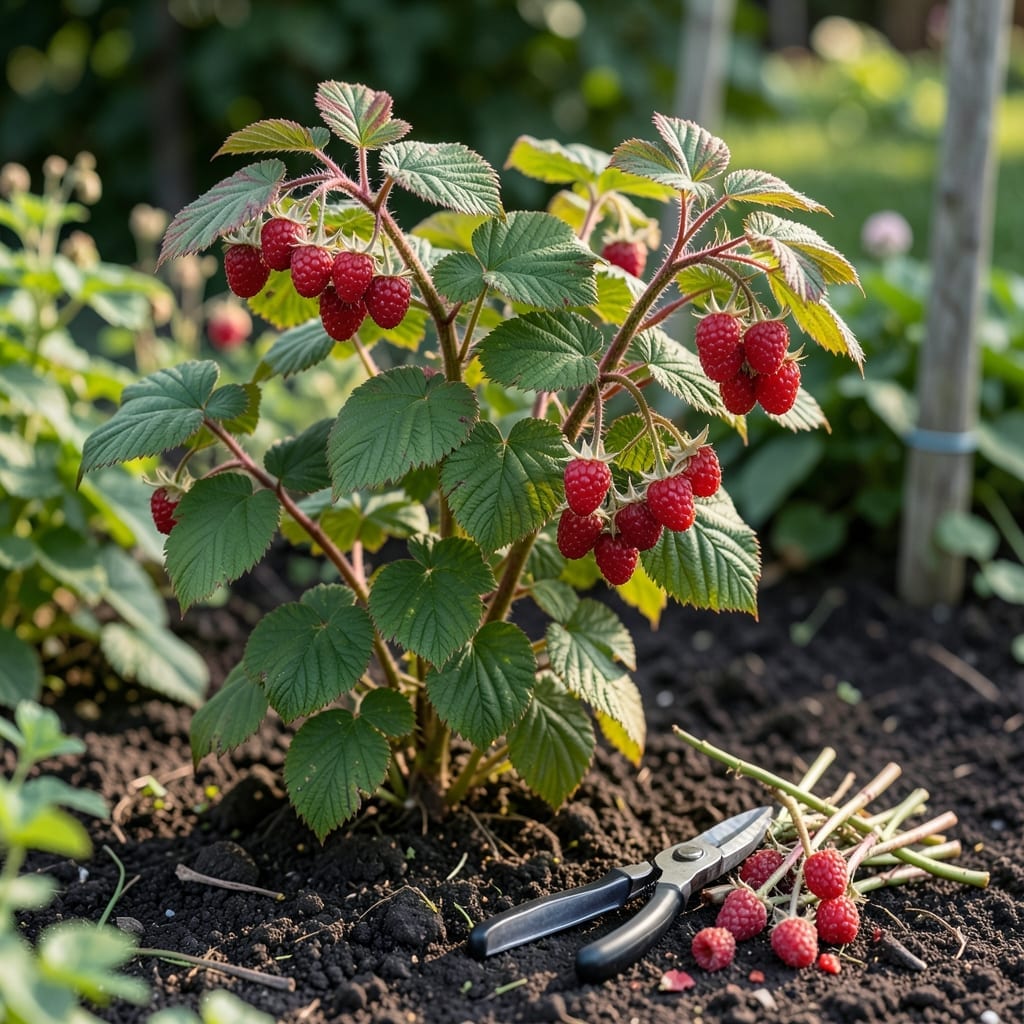
Pruning Raspberry canes at the right time is the secret to bountiful harvests and healthy plants. Miss the window, and you risk stunted growth or lost fruit.
I’ve learned that timing is everything when it comes to these 🫐 bushes. Whether you’re growing summer-bearing or fall-bearing varieties, knowing when to make those cuts makes all the difference.
Discover how to maximize your yield and keep your plants thriving. Let me walk you through the most important considerations for getting it right every time.
Timing your raspberry pruning correctly ensures healthy plants and maximum fruit production. I’ve found that summer-bearing and fall-bearing canes have very different needs.
Summer-bearing raspberries produce fruit on second-year canes, so pruning them right after harvest is key. This gives new canes time to establish before winter.
| Raspberry Type | Best Pruning Time | What to Prune |
|---|---|---|
| Summer-Bearing | Right after harvest | Old fruiting canes |
| Fall-Bearing | Late winter or early spring | All old canes |
| Everbearing | After final harvest | Weak or diseased canes |
For fall-bearing raspberries, I prune in late winter or early spring before new growth starts. This allows the plant to focus energy on producing strong, fruit-bearing canes.
In colder climates, I wait until the last frost has passed to avoid damaging new growth. Pruning too early can expose the plant to frost damage.
Everbearing varieties need a slightly different approach. I prune them after their final harvest, removing only the weak or diseased canes to encourage strong regrowth.
Regional differences matter too. In milder zones, I can prune a bit earlier, while in harsher climates, I wait until the danger of frost has passed.
I always use sharp pruning shears to make clean cuts. This reduces stress on the plant and helps prevent disease.
Remember, airflow is crucial. I thin out excess canes to improve circulation, which helps prevent fungal issues.
Finally, I remove all pruned material from the garden to avoid spreading diseases. It’s a small step that makes a big difference in plant health.
With the right timing and technique, your raspberry plants will reward you with years of abundant fruit production ✂️
Proper pruning keeps your raspberry plants productive and disease-free. I always start by removing old fruiting canes that have finished their cycle.
For summer-bearing varieties, I cut back the canes that just produced fruit. This makes room for new growth that will bear next year.
When thinning, I leave about 6 inches between canes for good air circulation. This prevents fungal diseases that thrive in damp conditions.
I use sharp bypass pruners to make clean cuts at a 45-degree angle. This helps water run off and reduces the risk of disease entry.
For fall-bearing raspberries, I prune differently – cutting all canes to the ground. This encourages new growth that will produce fruit the same year.
I always prune on a dry day to minimize disease spread. Wet conditions can introduce pathogens through fresh cuts.
After pruning, I apply a light fertilizer to support new growth. This gives my plants the best start for the coming season ✂️