
Beautiful Plants For Your Interior
Beautiful Plants For Your Interior
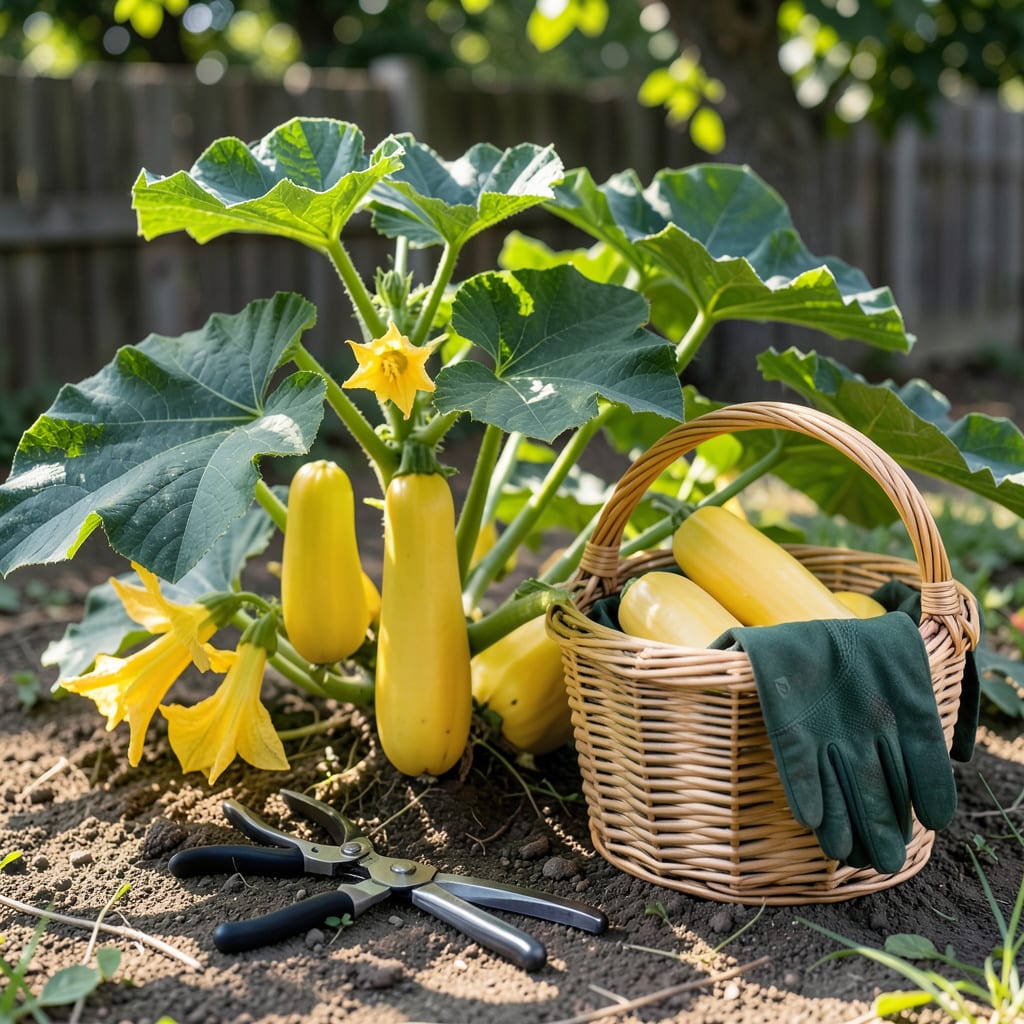
There’s nothing worse than watching your 🎃 Yellow Squash transform from tender perfection into a tough, seedy baseball bat overnight. Timing is everything—pick too soon, and you’ll miss out on sweetness; wait too long, and you’re stuck with a fibrous monster.
I’ve learned the hard way that the difference between a perfect harvest and a disappointing one comes down to a few key signs. Let me show you exactly what to look for so you never second-guess your squash again.


I’ve lost count of how many gardeners ask me, “How do I know when my yellow squash is ready?” The truth is, these summer favorites grow so fast that missing the perfect window by just 24 hours can turn a tender delight into a fibrous disappointment.
After years of trial and error, I’ve narrowed it down to five foolproof signs that guarantee peak ripeness. Forget guessing—once you know these, you’ll harvest with confidence every time.
Size matters most: Aim for 6–8 inches long and 2 inches wide. Larger than this means tough seeds and bitter flavor.
Vibrant yellow color: The skin should be uniformly bright yellow—no green streaks. Dull yellow signals overripeness.
Firm but not rock-hard: Press your thumbnail into the skin. It should resist slightly but not dent like an overripe avocado.
Stem snaps cleanly: A ripe squash’s stem will break with a crisp snap when bent. If it’s rubbery, wait another day.
Glossy, smooth skin: Avoid squash with dull or wrinkled skin—this means it’s past prime. A healthy sheen equals perfect texture.
Here’s my pro tip: Check your plants every morning during peak season. Yellow squash can grow 1–2 inches per day in warm weather, so daily inspections prevent missed opportunities.
If you spot a squash that’s longer than 10 inches, don’t toss it! These giants are perfect for shredding into muffins or composting—just don’t let them sap energy from newer fruit.
I always carry a sharp pruner or clean knife to harvest. Never yank squash by hand—this damages the plant and invites pests. Cut the stem 1 inch above the fruit to keep the plant healthy for future harvests.
Notice how the skin texture changes as squash matures? Young fruit feels almost velvety, while overripe squash develops a rough, thick rind. This is your plant’s way of saying, “Pick me now!”
One mistake I see often: waiting for squash to “turn orange.” Unlike winter squash, yellow squash stays yellow—orange hues mean it’s way past prime and the seeds are hardening.
For straightneck varieties, focus on the neck’s firmness—it should feel solid, not spongy. Crookneck squash often ripens slightly faster, so check those a day earlier than straightnecks.
After harvesting, store squash in the fridge for 5–7 days in a perforated bag to maintain freshness. Avoid washing until ready to use—excess moisture speeds up spoilage.
Remember, the more you pick, the more your plant will produce. I’ve had single plants yield 20+ squash in a season simply by harvesting every 2–3 days at peak ripeness. Happy picking! 🪴
Not all yellow squash varieties mature at the same rate, and knowing which type you’re growing can save you from a harvest disaster. Straightneck squash tends to be ready slightly earlier than crookneck, while zucchini hybrids often grow faster but need frequent picking. Let’s break it down.
Most varieties hit their prime between 45–65 days after planting, but size and color cues vary. A 6–8 inch length is the sweet spot for most, but crooknecks might curve more dramatically when fully mature. Overlooking these details can leave you with bitter, woody squash instead of tender delights.
| Variety | Days to Harvest | Ideal Size | Key Traits |
|---|---|---|---|
| Straightneck | 50–55 days | 6–8 inches | Smooth neck, uniform yellow |
| Crookneck | 55–60 days | 5–7 inches | Curved neck, bumpy texture |
| Zucchini Hybrid | 45–50 days | 6–8 inches | Fast-growing, tender skin |
💡 Tip: Check plants daily once fruits appear—they grow shockingly fast!
If you’re growing heirloom varieties, expect a slightly longer wait—up to 65 days—but the flavor payoff is worth it. These often develop deeper color and richer taste but require patience. I once left an heirloom crookneck on the vine too long, and it turned into a seed-filled club overnight.
For container gardeners, dwarf varieties like ‘Eight Ball’ (a zucchini hybrid) mature in as little as 40 days but stay small. Perfect for patios! Just ensure your container is at least 12 inches deep and has drainage holes to prevent root rot during rapid growth.
Pro tip: Morning harvests are ideal—squash is crispest then, and the plant recovers better from picking before the day’s heat. Use pruning shears or a sharp knife to avoid tearing the stem, which can invite pests. A clean cut also helps the plant redirect energy to producing more fruit.
Still unsure? Perform the thumbnail test: Press gently into the skin. If it resists slightly but doesn’t dent, it’s ready. If your nail sinks in, wait another day or two. And remember, smaller is sweeter—those baseball-bat-sized squash are past their prime and better off in the compost!
Track your variety’s progress with a garden journal or app. Note planting dates and first flower sightings—most squash are ready 4–6 days after flowering. This simple habit takes the guesswork out of future harvests and helps you spot patterns year to year. 🪴
Timing your yellow squash harvest isn’t just about taste—it affects your entire plant’s productivity. Pick too soon, and you’ll miss out on that sweet, buttery flavor we all love. Wait too long, and you’re stuck with a woody, seed-filled monster that even compost piles reject.
I’ve seen gardeners make both mistakes, and the results are always disappointing. Let me break down exactly what happens when you mistime your harvest, and more importantly, how to salvage the situation if you’ve already picked at the wrong stage.
Fix it: Use in stir-fries where texture matters less, or let remaining fruit mature longer.
Fix it: Scoop out seeds for compost, use flesh in baked goods or shred for fritters.
💡 Perfect window: 6-8 inches long, bright yellow, firm skin
The biggest surprise for new gardeners? Overripe squash actually steals energy from the plant. I once left three giant squash on a vine, and my plant stopped producing new flowers entirely. The moment I removed those energy-sapping monsters, fresh blossoms appeared within days.
For underripe squash, don’t despair! These work beautifully in quick-cooking methods where texture isn’t critical. Try thinly slicing and sautéing with garlic and herbs—they’ll absorb flavors well. Just avoid grilling or roasting, where their softness becomes obvious.
Here’s my golden rule: When in doubt, pick it. A slightly early squash is always better than a late one. Remember that yellow squash grows shockingly fast—what looks perfect today might be overripe by tomorrow. I make it a habit to check plants every morning during peak season.
Pro tip: If you accidentally leave squash too long, harvest the seeds for next year! Let the fruit fully mature (until the skin hardens), then scoop, clean, and dry the seeds. I’ve saved some of my best-performing squash this way, turning mistakes into future harvests. 🌱
Check your plants every morning once fruiting begins. Yellow squash can grow 1-2 inches per day in warm weather, so daily inspections prevent missed harvests.
Missing just 24 hours can turn a perfect squash into an overripe one. Set a reminder to walk your garden with a harvest basket each morning.
Yes, but the texture and flavor change dramatically. Overgrown squash becomes fibrous and bitter, with tough seeds.
Try scooping out seeds and using the flesh for baked goods or shredded fritters. Avoid raw use—it’s best cooked down.
Use sharp pruners or a clean knife to cut the stem 1 inch above the fruit. Never twist or pull.
This prevents stem tears that attract pests and helps the plant redirect energy to new growth. Morning harvests cause less stress to plants.
Bitterness usually means the squash stayed on the vine too long or experienced heat stress.
Harvest earlier next time—6-8 inches is ideal. Stress from drought or extreme heat can also cause bitterness, so maintain consistent watering.
Store unwashed squash in the fridge in a perforated bag for 5-7 days.
Avoid washing until ready to use—moisture speeds up spoilage. For longer storage, blanch and freeze slices for up to 3 months.
