
Beautiful Plants For Your Interior
Beautiful Plants For Your Interior
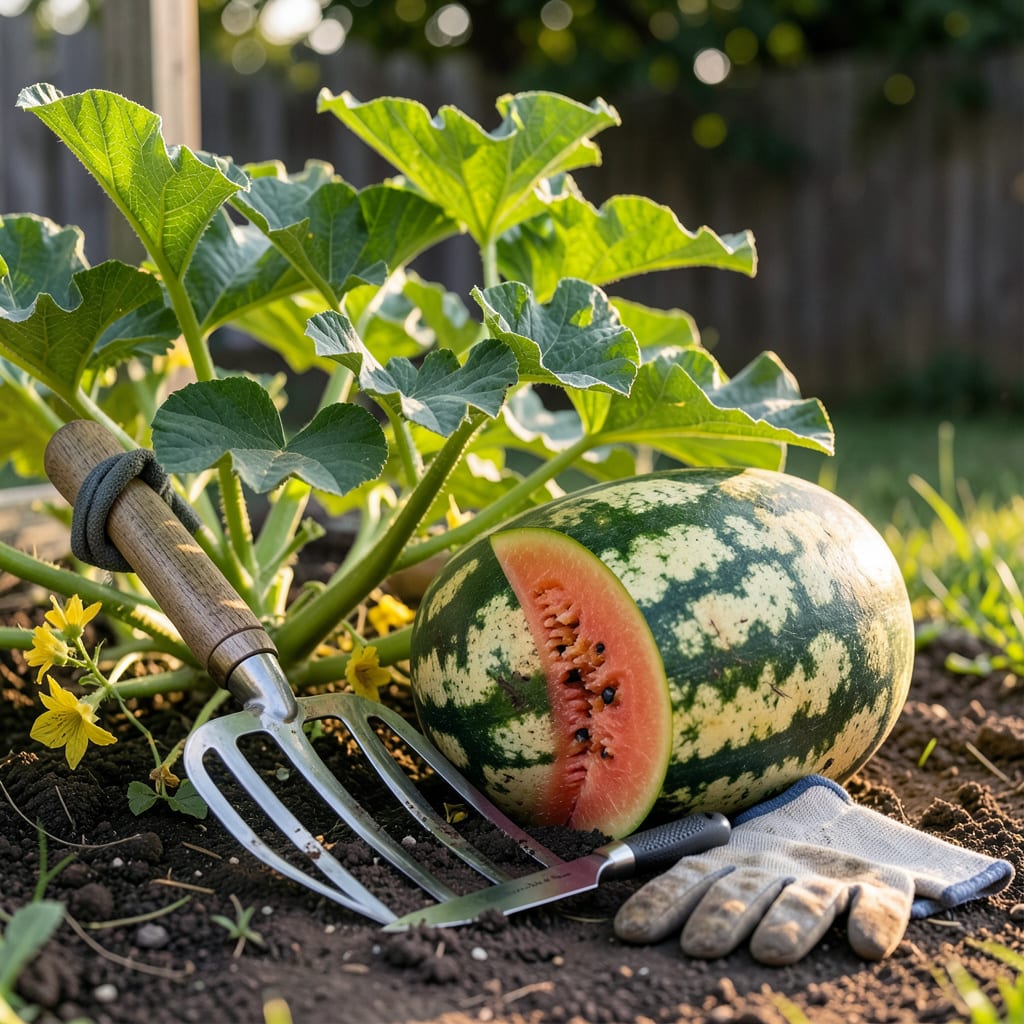
There’s nothing worse than cutting into a homegrown watermelon only to find it underripe—or worse, overripe and mushy. That perfect balance of sweetness and crispness hinges on one critical moment: knowing exactly when to pick it.
I’ve seen gardeners rely on guesswork and end up disappointed, but the truth is, your 🍉 gives clear signals when it’s ready. From tendril clues to the famous thump test, I’ll show you the foolproof signs to guarantee a juicy, flavorful harvest every time.


Timing your watermelon harvest is part science, part art. After years of growing these summer favorites, I’ve learned that visual cues are far more reliable than guesswork. The first sign I always check is the tendril—that curly stem near the fruit. When it turns brown and brittle, your melon is getting close.
The ground spot is another dead giveaway. This is where the watermelon rests on the soil. A ripe melon will have a creamy yellow or orange spot, not white or pale green. If it’s still light-colored, give it more time. I’ve found this is the most overlooked sign by new gardeners.
The rind’s texture tells you more than you might think. An unripe watermelon has a glossy, smooth surface, while a ripe one develops a dull, slightly rough finish. Run your fingers over the skin—if it feels slightly resistant, it’s ready. This change happens because the fruit stops growing and focuses on sweetening.
Don’t underestimate the stem test. When your watermelon is ripe, the stem will detach with a gentle twist. If you have to tug hard, it’s not ready. I always wear gloves for this test to avoid scratching the fruit. The stem should separate cleanly, leaving a small cavity—this is nature’s way of saying “pick me!”
While size and weight aren’t the only indicators, they do matter. A ripe watermelon will feel heavy for its size because it’s filled with juice. Compare it to another melon of similar size—if it feels significantly heavier, that’s a good sign. Remember, seedless varieties often feel lighter, so adjust your expectations.
Here’s a pro tip: check the color contrast between the stripes. On ripe melons, the dark green stripes become more defined against the lighter background. This deepening of color happens as sugars develop. I like to compare multiple fruits on the vine to spot these subtle differences.
For heirloom varieties, watch for unique patterns. Some develop a web-like cracking near the stem when ripe, while others show a slight color shift in their stripes. Sugar Baby watermelons, for instance, turn almost black when fully ripe. Know your variety’s specific traits for best results.
Remember that climate affects ripening. In hot, dry conditions, watermelons may mature 5-7 days faster than the seed packet suggests. Cool, wet summers can delay ripening by up to two weeks. I keep a garden journal to track these variations year to year—it’s the best way to fine-tune your harvest timing.
Finally, trust your instincts. If most signs point to ripe but you’re unsure, wait one more day. Watermelons don’t continue ripening after picking like some fruits do. When in doubt, I always say: “Let it ride another 24 hours”. That extra day often makes the difference between good and extraordinary flavor. 🍉
Even experienced gardeners sometimes misjudge watermelon ripeness. The most common mistake? Relying solely on thumping—that hollow sound isn’t foolproof. I’ve seen gardeners tap fruit for weeks, only to harvest underripe melons because they ignored visual cues like tendril drying or ground spot color.
Another pitfall is ignoring the tendril test. That curly stem near the fruit isn’t just decoration—it’s your best ripeness indicator. If it’s still green and flexible, your watermelon needs more time. Many growers overlook this simple check and end up with pale, flavorless fruit.
Misreading the ground spot is another frequent error. A white or pale green spot means your watermelon isn’t ready—it should turn creamy yellow or orange when ripe. I’ve watched gardeners harvest too early because they confused a light green spot for readiness.
Timing matters too. If you planted late or had a cool season, your watermelon might need extra days to mature. Don’t assume 80 days from planting is universal—check your variety’s specific range. Seedless types, for example, often take 5-7 days longer than seeded varieties.
Finally, avoid the “it feels heavy” trap. While weight is a factor, a watermelon’s heft varies by size and variety. Instead, focus on the stem’s resistance—if it snaps cleanly with gentle pressure, it’s ready. Forcing a stubborn stem usually means you’re picking too soon.
Mastering these checks takes practice, but your reward is juicy, sweet perfection every time. Next, let’s explore how different varieties signal ripeness in unique ways—because not all watermelons play by the same rules! 🌱
Not all watermelons ripen the same way—your variety’s unique traits can change everything. I’ve grown everything from classic Crimson Sweet to tiny Sugar Baby melons, and each has its own ripeness language. The first difference? Days to maturity varies dramatically between types.
Take seedless watermelons, for example. They typically need 5-7 extra days compared to seeded varieties because their growth process differs. I always mark my calendar with the expected harvest window (usually printed on seed packets) and start checking signs about 3 days before the earliest date.
Heirloom varieties like Moon and Stars often develop unique color patterns when ripe. Their signature yellow spots become more vivid as sugars concentrate. I’ve noticed these types sometimes take 10+ days longer than modern hybrids, so patience is key. The rind also becomes slightly rougher to the touch.
For icebox watermelons (small varieties under 10 lbs), watch for earlier tendril drying—sometimes just 65-70 days after planting. Their compact size means they ripen faster but can overripen quickly in hot weather. I check these daily once they reach full size, as they transition from ripe to overripe in just 2-3 days.
Climate plays a bigger role with certain varieties. Heat-tolerant types like Crimson Sweet may ripen faster in hot zones, while cooler climates can extend their maturity time. I’ve found that black plastic mulch helps speed up ripening for varieties struggling in cooler areas by warming the soil around the roots.
Here’s my variety-specific pro tip: Taste test one fruit when you think they’re ready. Cut open the smallest melon first—if it’s perfect, harvest the rest. If not, note what signs you missed and adjust for the next harvest. This simple trick has saved me from many disappointing harvests over the years. 🪴
Most varieties need 30-50 days from flowering to full ripeness. Seedless types often take 5-7 extra days compared to seeded ones. Climate plays a role too—hotter weather can speed this up by a week or more.
Unlike tomatoes, watermelons won’t ripen further after picking. They must fully mature on the vine. If picked early, they’ll stay underripe no matter how long you wait. Always check vine signs before harvesting.
A white ground spot means it’s not ripe yet. The spot should turn creamy yellow or orange when ready. This color change happens as sugars develop—wait until you see this transformation for best flavor.
The thump test works best for large, traditional varieties like Crimson Sweet. Smaller types (Sugar Baby) or seedless melons often don’t produce the classic hollow sound. Always combine thumping with visual checks for accuracy.
Harvest in the early morning when temperatures are cool. This preserves crispness and flavor. Avoid midday heat, which can cause stress to both plant and fruit. Use clean pruners to cut the stem, leaving 1-2 inches attached.
