
Beautiful Plants For Your Interior
Beautiful Plants For Your Interior
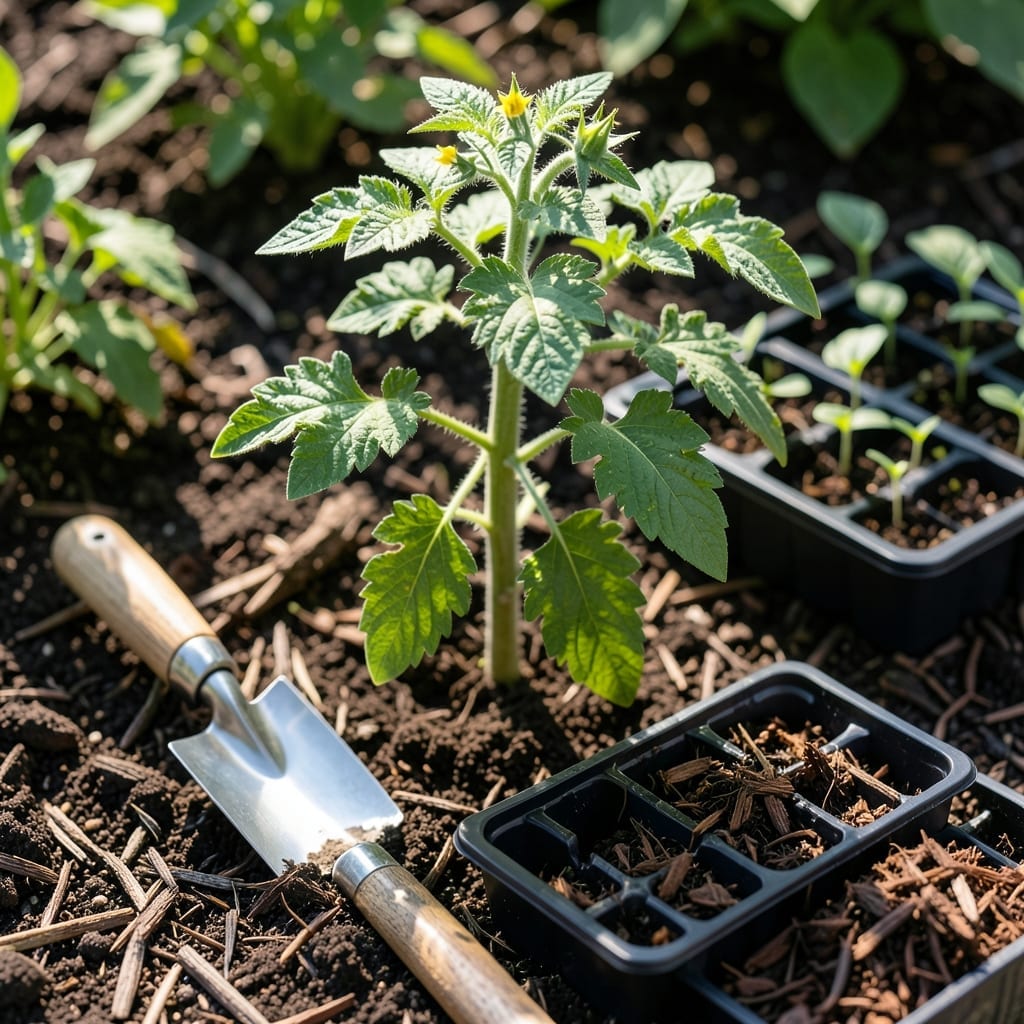
Timing your planting around the last frost date can make or break your garden. One late cold snap can wipe out tender seedlings, while planting too late shortens your growing season.
I’ve seen many gardeners lose their spring crops by jumping the gun. Whether you’re growing 🌱 General or other plants, knowing this date is crucial for success.
Let me show you how to find your exact date and plant with confidence this season.
Knowing your last frost date is the key to successful planting. It tells you when it’s safe to move tender plants outdoors without risk of cold damage.
I always check my USDA hardiness zone first, as frost dates vary by region. This simple step prevents costly mistakes with early planting.
| Zone | Region | Last Frost Date |
|---|---|---|
| 3-4 | Northern States | May 15 |
| 5-6 | Midwest | April 15 |
| 7-8 | Southern States | March 15 |
For precise local data, I recommend checking the National Weather Service or your state extension office. They track historical weather patterns.
Online tools like Dave’s Garden or Almanac.com offer zip code-specific dates. I use these when planning my spring garden schedule.
Remember that microclimates can shift dates by 2-3 weeks. Urban areas often have earlier last frosts than rural zones.
I’ve found that low-lying areas and valleys tend to frost later due to cold air drainage. Always observe your garden’s specific patterns.
For container gardens, you can push the envelope by 1-2 weeks since pots can be moved indoors during surprise cold snaps.
I make it a habit to keep a garden journal noting first and last frost dates each year. This personal data becomes invaluable over time.
Don’t forget that elevation affects frost dates too. For every 1000 feet of elevation gain, expect frost about 1 week later in spring.
🌱
Timing your planting schedule around frost dates is essential for healthy growth. Some plants thrive in cool soil, while others need warmer conditions to survive.
I always start with cold-hardy vegetables like peas and spinach before the last frost. These can handle light freezes and even improve in flavor.
For flowers, I plant pansies and snapdragons early. They can handle light frost and add color to spring gardens.
Tender annuals like petunias and impatiens must wait until after the last frost. I’ve lost too many to late cold snaps by rushing them out.
Herbs like cilantro and dill can be direct-sown before the last frost. But basil and rosemary need warmer conditions to thrive.
I always harden off my seedlings before transplanting. This gradual exposure to outdoor conditions prevents shock when moving them to the garden.
🌱