
Beautiful Plants For Your Interior
Beautiful Plants For Your Interior
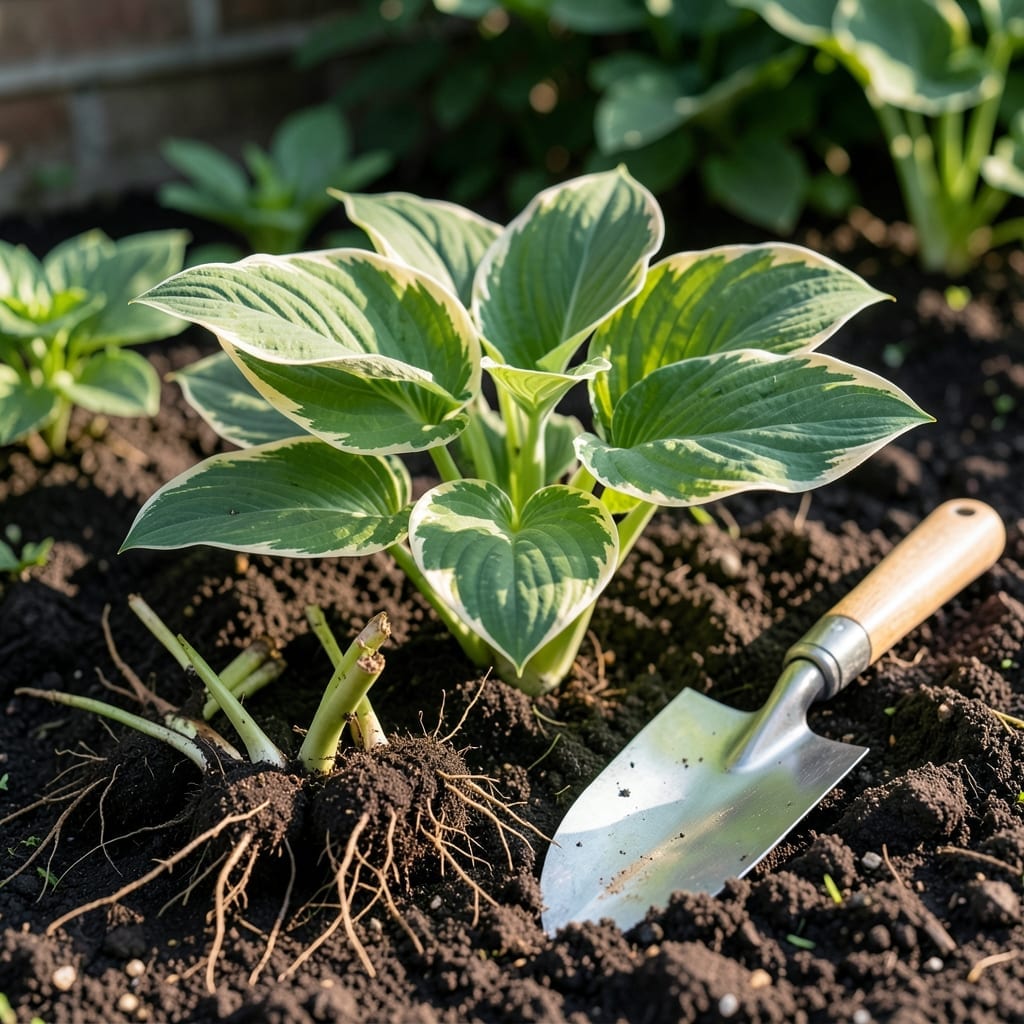
Splitting hosta plants at the right time ensures vibrant foliage, stronger growth, and a lush garden display year after year. Timing is everything—do it wrong, and you risk stressing the 🌿Hosta or stunting its development.
I’ve learned through experience that dividing these perennials during their dormant periods yields the best results. Whether you’re a seasoned gardener or just starting out, nailing the timing makes all the difference.
Let me walk you through the optimal seasons and signs to look for, so your hostas thrive after division. You’ll be amazed at how much healthier they’ll look with this simple adjustment.
Timing your hosta division correctly can make or break your garden’s success. I’ve found that early spring and early fall are the golden windows for this task. These periods allow plants to recover before extreme temperatures hit.
In early spring, split hostas just as the new shoots emerge but before they fully unfurl. This gives the root system time to establish in cooler, moist soil. 🌱
| Season | Timing | Advantages | Considerations |
|---|---|---|---|
| Early Spring | March-April | Cool temps, moist soil | Avoid if frost threat |
| Early Fall | August-September | Roots establish before winter | Stop 4 weeks before frost |
Early fall is another prime window, especially in USDA zones 3-9. The soil stays warm while air temperatures cool, encouraging root growth without stressing the plant. Just finish splitting at least 4 weeks before the first frost.
I always check for signs of readiness before dividing. Look for crowded clumps where the center seems less vigorous, or when shoots appear tightly packed. These indicate your hosta is begging for division.
Avoid splitting during summer heat or winter dormancy. The stress of high temperatures can shock the plant, while frozen ground prevents proper root establishment. Both scenarios often lead to stunted growth or failure.
In my experience, morning splitting works best. The cooler temperatures and lower sun intensity reduce transplant shock. I also
For northern climates, early spring is often safer. The shorter fall season might not give roots enough time to establish. But in milder zones, fall division can actually produce stronger plants the following year.
Remember that hosta varieties may have slightly different needs. While most follow these general rules, I’ve noticed blue hostas particularly benefit from spring division, as their color develops best with early season care.
After splitting, I give my hostas a deep watering and apply a layer of mulch to retain moisture. This simple step significantly improves their recovery rate and ensures vibrant foliage in the growing season. ✂️
Splitting hosta plants is simpler than it seems when you follow the right steps. I always start by gathering my essential tools: a sharp spade, clean pruners, and a garden fork. These make the process smoother and reduce stress on the plant.
First, I water the hosta deeply the day before splitting. This ensures the root ball stays intact during division. Then, I carefully dig around the entire clump, about 6-8 inches out from the base, to avoid slicing through roots. 🌱
Once the clump is out, I shake off excess soil to expose the root crown. This helps me see the natural divisions. I then use my pruners to cut the clump into smaller sections, ensuring each has healthy roots and 2-3 shoots for best results.
I replant each division in prepared holes at the same depth they were growing. I make sure the crown sits just above soil level to prevent rot. After planting, I water deeply to settle the soil and remove air pockets around the roots.
For the first week, I keep the soil consistently moist but not soggy. This helps the new divisions establish without drowning. I also add a 2-inch mulch layer to retain moisture and protect the roots from temperature swings.
In my experience, morning splitting reduces stress on the plants. The cooler temperatures and lower sun intensity give them time to recover before the heat of the day sets in. ✂️