
Beautiful Plants For Your Interior
Beautiful Plants For Your Interior
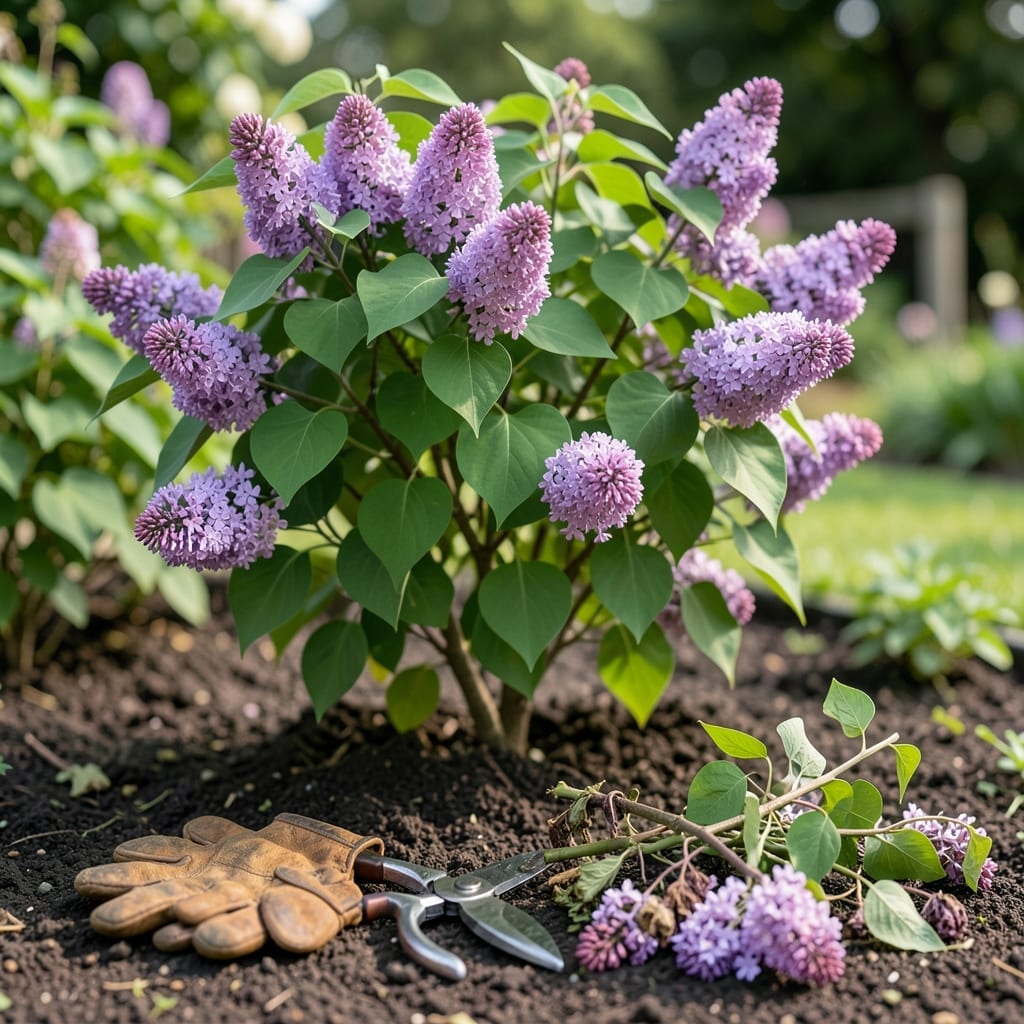
Pruning your 🌸 Lilac at the wrong time could mean saying goodbye to next year’s blooms. I learned this the hard way after cutting mine back in fall and facing a flowerless spring.
Timing is the key to keeping your shrub healthy and vibrant. The secret lies in understanding Lilac’s unique growth cycle and bloom production.
Let me show you exactly when to grab those pruners for maximum color next season. Your garden will thank you.
I love how lilac bushes transform a garden with their fragrant blooms each spring. But here’s the catch: they set their flower buds for next year right after the current blooms fade.
This means your pruning timing is absolutely critical. The golden window is immediately after flowering, typically in late spring or early summer, depending on your variety.
| Stage | Action |
| After blooming | Remove spent flowers, shape bush |
| Early summer | Light trimming if needed |
| Winter | Structural cuts only |
If you prune during fall or winter, you’ll likely cut off the budding wood that would have produced next year’s scented blossoms. I made this mistake once and had a bare spring.
The common lilac (Syringa vulgaris) especially follows this pattern. Wait until all flowers have faded and you see new growth beginning. This is your perfect moment to act.
For re-blooming varieties like the Bloomerang lilac, you might get a second chance. These can produce additional blooms later in the season, so a light trim after the first flush is safe.
Remember that lilacs bloom on old wood. This means the growth from last year produces this year’s flowers. Pruning at the wrong time removes these precious flower-producing stems.
I always check my lilac’s growth pattern before making any cuts. Look for new shoots emerging at the base – these are next year’s bloom producers in the making.
In warmer climates (USDA zones 7-8), your window might be earlier. In cooler zones (4-6), wait until all frost danger has passed and blooms are completely finished.
After pruning, I give my lilacs a light feeding with balanced fertilizer to support new growth. This helps the plant recover quickly and prepare for next year’s flowering cycle ✂️
I’ve seen gardeners make the costly mistake of pruning lilacs in fall or winter. This removes the flower buds that formed after the last bloom cycle, leaving you with no flowers next spring.
The plant focuses its energy on bud formation right after flowering. If you cut it back during dormancy, you’re essentially erasing next year’s colorful display. I learned this lesson the hard way.
⚠️ Warning: Pruning lilacs in late summer to winter removes next year’s flower buds. Always prune immediately after blooming to avoid a flowerless spring.
Pruning too early in spring before blooms fade can also reduce flower production. The plant hasn’t finished setting buds for the current year, so cutting it back then means fewer blossoms now.
If you’ve already pruned at the wrong time, don’t panic. Lilacs are resilient plants. Focus on proper timing next year, and give your bush extra water and fertilizer to help it recover.
For severely overgrown lilacs, you can do a renewal pruning in early spring before buds swell. This involves cutting back 1/3 of the oldest stems to the ground to encourage new growth.
Remember that re-blooming varieties like Bloomerang are more forgiving. They may produce a second flush of flowers if pruned lightly after the first bloom cycle.
I always mark my pruning dates on the calendar after my lilacs finish blooming. This simple habit ensures I never miss the perfect window for next year’s spectacular display ✂️