
Beautiful Plants For Your Interior
Beautiful Plants For Your Interior
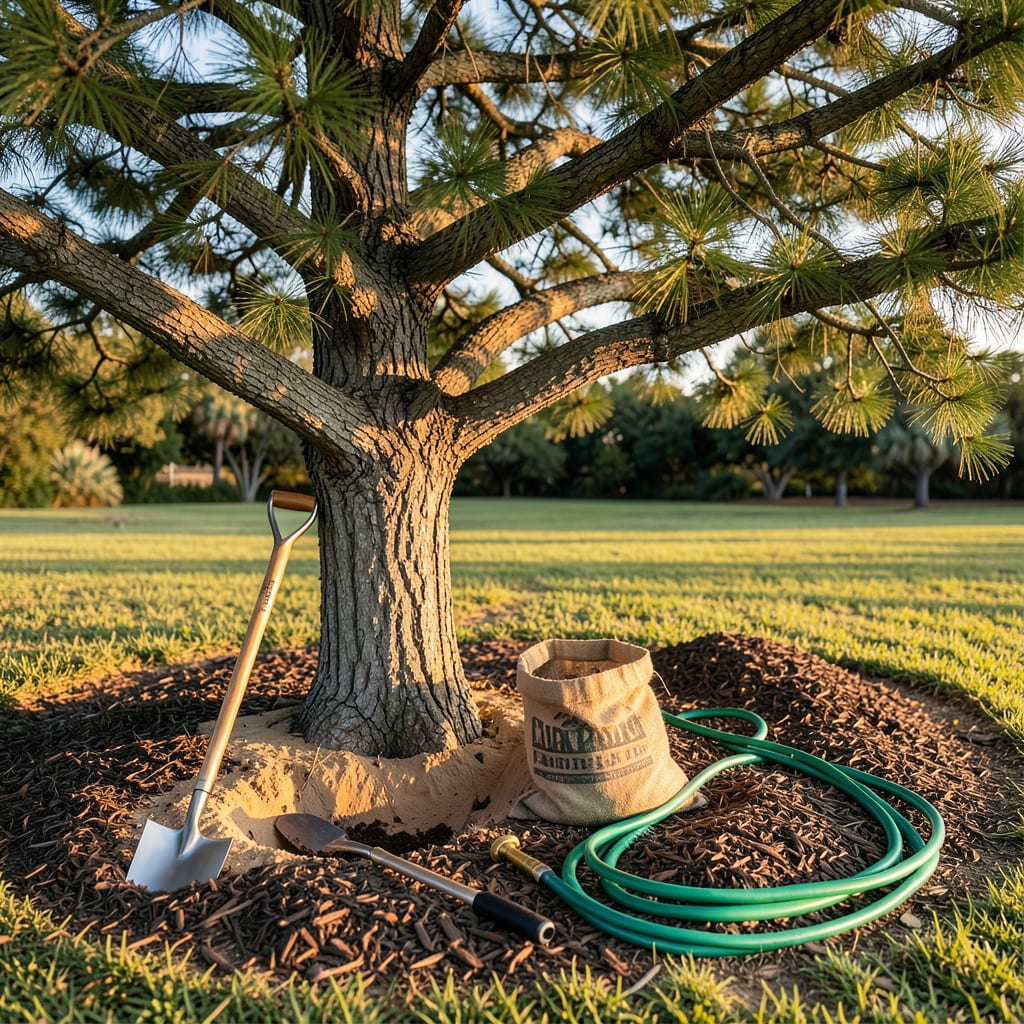
Planting trees in Texas isn’t just about digging a hole—it’s about timing your effort with the state’s unpredictable climate. Get it right, and you’ll watch your 🌱 trees flourish for decades; miss the window, and you might battle drought stress or weak roots from day one.
I’ve seen too many gardeners struggle because they followed generic advice that doesn’t account for Texas’s heat or regional quirks. Let’s cut through the confusion and pinpoint the best months to plant—whether you’re in the Panhandle or the Gulf Coast—so your trees start strong.
Timing is just the start—Texas’s tough climate demands extra prep. I’ve learned that soil quality and watering routines can make or break your tree’s first year. Even the hardiest natives like Live Oak or Texas Redbud struggle in compacted clay or with inconsistent moisture.
Then there’s the heat factor. Planting in summer? You’re asking for stress. But spring and fall plantings need mulch layers (3–4 inches) to protect roots from temperature swings. Let’s dive into what really moves the needle for Texas trees.
One mistake I see often? Ignoring microclimates. A tree that thrives in Houston’s humidity (like Bald Cypress) may struggle in Lubbock’s dry winds. Always check your USDA zone—Texas spans zones 6–10, and a two-zone difference can mean a 3-week shift in ideal planting time.
Pro tip: Use the Texas A&M AgriLife Extension’s soil maps to identify your local challenges. For example, Blackland Prairie soils (Dallas area) hold moisture longer than Edwards Plateau’s rocky terrain (Austin/Hill Country), so adjust watering accordingly.
Don’t overlook post-planting care. I stake young trees for 12–18 months in windy areas (like West Texas) but avoid over-tightening ties—they should allow slight sway to strengthen trunks. And mark your calendar: first-year pruning should focus only on dead/damaged branches.
Finally, watch for transplant shock signs: wilting, yellowing leaves, or stunted growth. If you spot these, reduce fertilizer and increase water slightly—but never let roots sit in soggy soil. Texas trees are resilient, but they need that extraLCare in year one to become low-maintenance giants.
Remember, the goal isn’t just survival—it’s setting your tree up to outlive you. With the right prep, even finicky species like Japanese Maples (yes, they can grow in East Texas!) will reward you with decades of shade and beauty. 🌳
If you’ve ever wondered why your neighbor’s Live Oak thrives while yours struggles, timing is likely the culprit. Texas’s diverse climate zones mean planting windows vary wildly—what works in Houston won’t fly in Amarillo. Let’s break down the ideal months for each region.
For most of Texas, fall (October–November) reigns supreme. Cooler temps and winter rains help roots establish before summer heat hits. But spring (February–April) can work too—if you’re prepared to baby your trees through the first scorcher. Here’s your tailored timeline.
North Texas (Zones 7–8): Plant October–November or March–early April. Avoid December freezes and July’s 100°F+ days.
Central Texas (Zone 8–9): November–February is safest. Spring plantings need extra mulch to retain moisture.
Gulf Coast (Zone 9–10): Year-round is possible, but fall–winter reduces hurricane risk for young trees.
West Texas (Zone 6–7): Stick to October or March—drought and wind demand deep planting holes (12” wider than root ball).
Got a container-grown tree? You’ve got more flexibility—just avoid peak summer. Bare-root trees, however, must go in during dormancy (December–February). And if you’re planting fruit trees (like Texas Persimmon), aim for late winter to maximize first-year growth.
Watch the soil temperature: it should be above 50°F for root activity but below 80°F to avoid stress. Use a $10 soil thermometer—it’s my secret weapon for perfect timing. Also, check the 10-day forecast before planting; a late freeze or heatwave can derail even the best-laid plans.
Remember, Texas weather is unpredictable. If you miss the fall window, don’t panic—just delay until spring and focus on root zone prep. I’ve seen April-planted Redbuds outpace October ones when given consistent water and shade cloth their first summer. The key? Adapt to your microclimate, not the calendar. 🌳
Fall’s cooler temperatures and increased rainfall reduce stress on new trees. Roots grow actively while tops stay dormant, giving them a head start before summer heat. Aim for October–November in most regions for ideal conditions.
Yes, but timing is critical. Plant early spring (February–March) before heat arrives. Be prepared for extra watering and mulching to combat Texas’s rapid temperature swings.
North Texas should avoid December freezes, while Gulf Coast gardeners can plant nearly year-round. Always check your USDA zone—West Texas (Zone 6) needs earlier planting than Houston (Zone 9). Use local extension office guides for precision.
Planting too deep or in summer! The root flare must stay above soil, and July–August heat stresses young trees. Also, skipping soil prep in clay-heavy areas leads to poor drainage.
They’re more flexible! You can plant them anytime except peak summer, but fall is still ideal. Bare-root trees, however, must go in during dormancy (December–February).
