
Beautiful Plants For Your Interior
Beautiful Plants For Your Interior
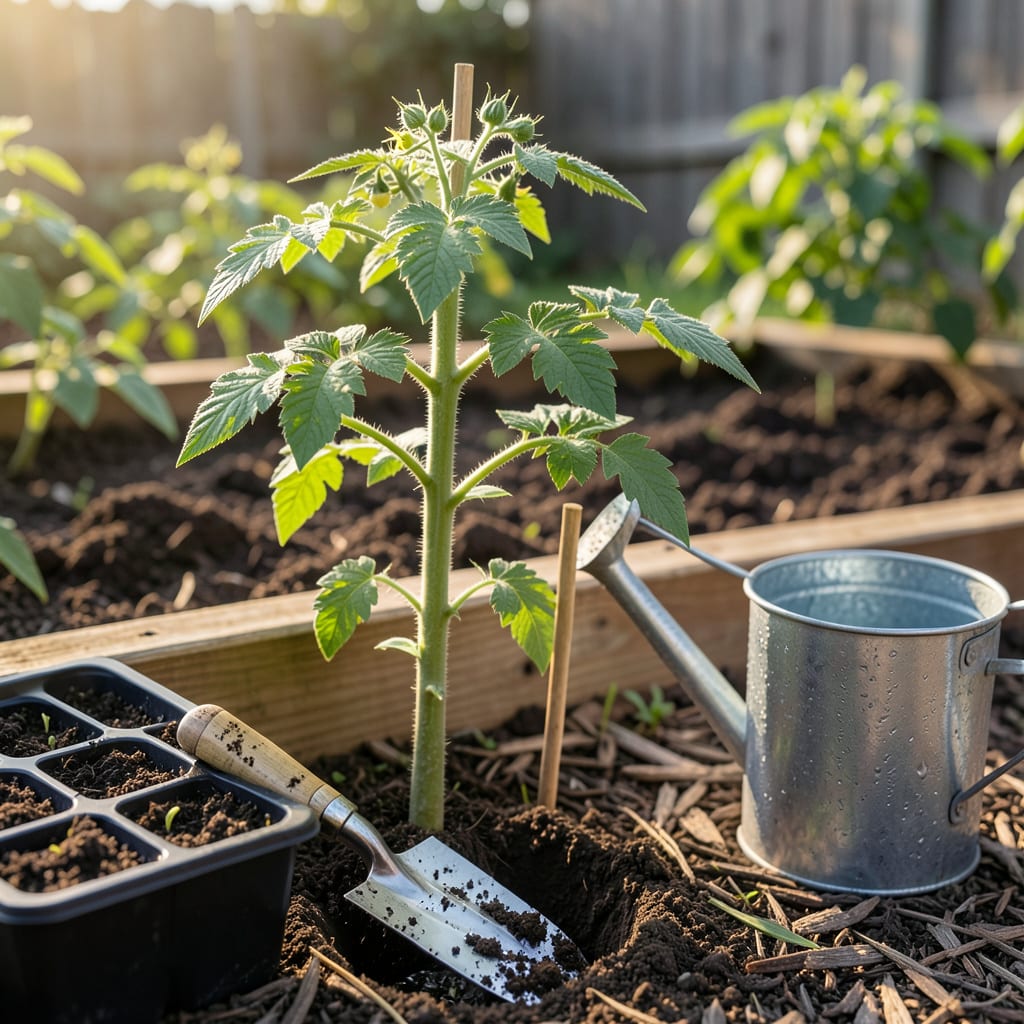
Timing can make or break your Florida tomato harvest—plant too soon, and surprise frosts might wipe out your seedlings. Wait too long, and the summer heat will fry your plants before they bear fruit. Florida’s unique climate demands precision.
I’ve tested planting windows across the state, and the differences between North, Central, and South Florida are staggering. Whether you’re in Jacksonville or Miami, I’ll show you the exact months to plant for juicy, sun-ripened 🍅 tomatoes—without the guesswork.
Florida’s unique climate means tomato planting isn’t a one-size-fits-all affair. I’ve found that North Florida (Zones 8a-9a) thrives with January–March plantings, while Central Florida (Zone 9b) can push into early April. The real game-changer? South Florida (Zones 10a-11a) where we plant twice yearly—fall and spring! 🌱
Soil temperature is your secret weapon. Tomatoes need 60–70°F soil to germinate properly. I always use a soil thermometer—it’s saved me from planting too early when those “warm” February days are actually hiding chilly nights. Coastal areas stay warmer than inland spots, so adjust accordingly. ☀️
| Florida Region | USDA Zones | Spring Planting | Fall Planting | Last Frost Date |
|---|---|---|---|---|
| North Florida | 8a–9a | Jan 15–Mar 15 | Aug 15–Sep 15 | Mar 10 |
| Central Florida | 9b | Feb 1–Mar 30 | Aug 1–Sep 30 | Feb 15 |
| South Florida | 10a–11a | Jan 1–Apr 1 | Aug 15–Nov 15 | None |
*Adjust fall planting by 2 weeks if using transplants instead of seeds. Coastal areas may plant 1–2 weeks earlier.
Here’s my pro tip for North Florida gardeners: Watch the 10-day forecast before planting in January. Those “one last frost” events can wipe out young seedlings. I lost an entire batch of ‘Celebrity’ tomatoes one year by jumping the gun after a warm December. Now I wait until soil temps hit 60°F for 5 consecutive days. 🌡️
Central Florida’s March heatwave risk is real. I’ve seen tomato flowers drop when daytime temps exceed 90°F. That’s why I start my ‘Solar Fire’ varieties in late February—they’re bred for Florida heat. For fall crops, get them in by early September to beat the hurricane season rains that can drown plants or spread disease. 🌧️
South Florida is the tomato paradise—if you time it right. The August–November window is golden, but avoid June/July plantings unless you’re growing in 30% shade cloth. I’ve had success with ‘Florida 91’ tomatoes in summer using drip irrigation to keep foliage dry and prevent fungal issues. Remember: morning sun is better than brutal afternoon heat. ☀️
Microclimates matter more than you think. My coastal garden in Zone 10a stays 5°F warmer than my friend’s inland garden just 20 miles away. That means I can plant 2 weeks earlier in spring. Use tools like the Florida Automated Weather Network to track hyper-local conditions. It’s free and a total game-changer for precise planting! 💧
For container gardeners, you’ve got more flexibility. I’ve grown ‘Tiny Tim’ tomatoes year-round in pots by moving them to shade when temps top 95°F. Just remember: containers dry out fast in Florida’s heat. I water mine daily and fertilize every 10 days with a 5-10-10 blend during fruiting. 🪴
Don’t forget about day length—it affects fruiting. Tomatoes need 10–12 hours of sunlight daily. In winter, South Florida’s shorter days can slow growth. That’s why I add grow lights for 2 extra hours in December/January to keep my plants productive. The difference in yield is staggering! ✂️
Final timing hack: Start seeds 6–8 weeks before your planned transplant date. For North Florida, that means seeding in late November for January transplants. Use a heat mat to maintain soil temps if your home stays cool. I’ve found that seedlings started this way are twice as robust as nursery transplants. 🌿
Even experienced Florida gardeners can sabotage their tomato harvests with simple timing errors. The biggest mistake I see? Planting when soil temps are below 60°F. Those “warm” February days can be deceiving—your soil might still be too cold for proper root development. 🌡️
Another common pitfall is ignoring afternoon shade for spring plantings. By late March, Florida’s sun becomes intense. I’ve watched tomato leaves scorch when they get 6+ hours of direct afternoon sun. A simple 30% shade cloth can double your yield in summer. ☀️
⚠️ Florida Tomato Timing Alert
Mistake 1: Planting before soil reaches 60°F (use a thermometer!)
Mistake 2: Skipping shade for summer crops—90°F+ causes flower drop
Mistake 3: Fall planting too late—hurricane rains spread blight and wilts
Pro Tip: Coastal gardens can plant 1-2 weeks earlier than inland areas!
The third critical error is misjudging hurricane season for fall crops. I learned this the hard way when my September-planted tomatoes drowned in 2022’s Hurricane Ian. Now I plant fall crops by August 15 and use raised beds for better drainage. 🌧️
Many gardeners also overlook day length requirements. Tomatoes need 10-12 hours of sunlight daily. In winter, South Florida’s shorter days can slow growth. That’s why I supplement with grow lights for 2 extra hours in December/January. The yield difference is dramatic! ✂️
Container gardeners make unique mistakes too. The most common? Using standard potting soil that compacts in Florida’s heat. I now mix 1/3 perlite and 1/3 compost into my container mixes. This prevents root rot and keeps plants thriving through our daily summer thunderstorms. 💧
Finally, don’t forget about pollination challenges in high humidity. Tomato flowers can struggle when humidity exceeds 70%. I gently shake my plants at 10 AM daily to help pollen transfer. For greenhouse growers, adding a small fan creates the necessary air movement for successful fruiting. 🌿
Remember: Florida’s microclimates vary dramatically. My coastal garden in Zone 10a behaves differently than my friend’s inland garden just 20 miles away. Always check your specific location’s frost dates and heat patterns before planting. The Florida Automated Weather Network is my go-to free tool for hyper-local data. 🌱
Not all tomatoes thrive in Florida’s steamy heat and daily thunderstorms. After testing dozens of varieties, I’ve found that heat-tolerant hybrids like ‘Solar Fire’ and ‘Florida 91’ outperform heirlooms by 30-50% in our climate. These varieties keep producing when temps hit 95°F+. 🌡️
The secret lies in their disease-resistant genetics. Florida’s humidity creates perfect conditions for early blight and fusarium wilt. That’s why I always choose varieties with VFN resistance (Verticillium, Fusarium, Nematodes). ‘Tasti-Lee’ and ‘Bella Rosa’ are my top picks for fall planting when fungal pressure peaks. 🌧️
| Variety | Type | Days to Maturity | Best Season | Heat Tolerance |
|---|---|---|---|---|
| Solar Fire | Indeterminate | 70 days | Spring/Summer | Excellent |
| Florida 91 | Determinate | 75 days | Fall/Winter | Very Good |
| Tasti-Lee | Indeterminate | 72 days | Fall | Good |
| Bella Rosa | Determinate | 70 days | Spring/Fall | Excellent |
| Heatmaster | Indeterminate | 80 days | Summer | Best |
*All varieties listed have VFN (disease resistance) and thrive in Florida’s humidity. Days to maturity may vary by 5-7 days based on microclimate.
For container gardeners, I recommend ‘Tiny Tim’ or ‘Patio Princess’. These compact varieties produce 2-3 lb plants loaded with fruit. I’ve grown ‘Tiny Tim’ in 5-gallon buckets with great success—just add a trellis for support. They’re perfect for balconies where space is limited. 🪴
Want heirloom flavor with heat tolerance? Try ‘Creole’ or ‘Arkansas Traveler’. While not as disease-resistant as hybrids, these varieties handle Florida heat better than most heirlooms. I plant them in raised beds with drip irrigation to minimize fungal issues. The flavor payoff is worth the extra care! 🍅
Remember: determinate varieties (like ‘Bella Rosa’) produce one big harvest, while indeterminate types (like ‘Solar Fire’) keep producing until frost. For North Florida, I plant 70% indeterminate for continuous harvests. In South Florida, I do 50/50 to balance yield with manageable plant size. ✂️
Final tip: Always check the “days to maturity” rating. In Florida’s short seasons, varieties taking over 80 days often struggle to ripen before heat or cold sets in. I stick with 60-75 day varieties for most reliable results. Your local UF/IFAS Extension office can provide variety trials specific to your county. 🌱
Planting before soil reaches 60°F risks frost damage to seedlings. Even “warm” February days often hide chilly nights. I lost an entire batch of ‘Celebrity’ tomatoes by planting after a warm December—wait for 5 consecutive days above 60°F.
Almost! South Florida’s Zones 10a-11a allow two planting seasons: January–April and August–November. Avoid June/July unless using 30% shade cloth. I’ve successfully grown ‘Florida 91’ in summer with drip irrigation to prevent fungal issues.
Plant by August 15 and use raised beds for drainage. I learned this after losing crops to Hurricane Ian. For extra protection, install floating row covers before storms—they shield plants while allowing light/air flow. Always stake plants securely.
Use a soil thermometer 2 inches deep at 10 AM. Coastal areas often run 5°F warmer than inland. I track hyper-local data via the free Florida Automated Weather Network—it’s more accurate than general zone guidelines.
Containers offer more flexibility! I grow ‘Tiny Tim’ year-round in 5-gallon buckets, moving them to shade when temps exceed 95°F. Just water daily and fertilize every 10 days with 5-10-10 blend during fruiting.
