
Beautiful Plants For Your Interior
Beautiful Plants For Your Interior
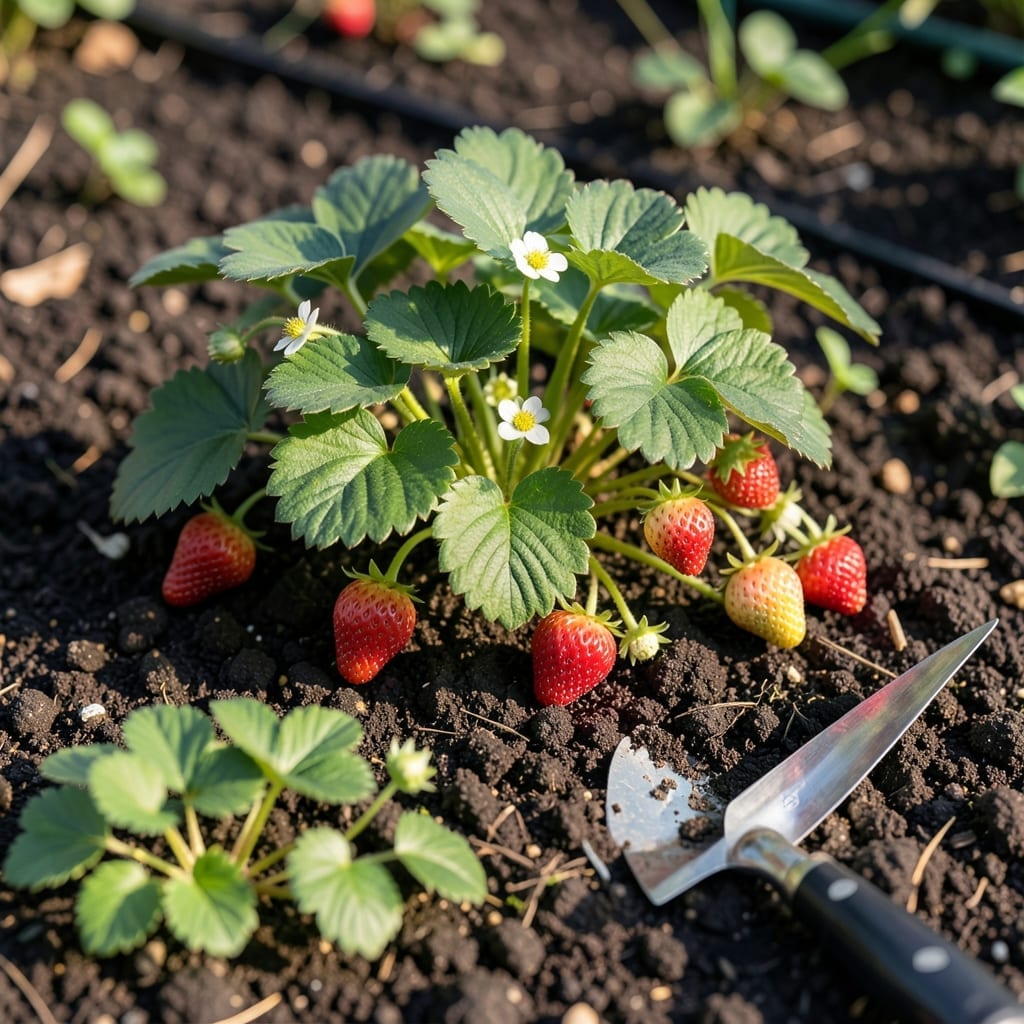
Timing is everything when planting Strawberry 🍓—plant too early or too late, and you risk stunted growth or a poor harvest.
I’ve learned that getting the timing right means the difference between a thriving patch and a disappointing one. Whether you’re in zone 6 or just starting out, knowing your planting window is the key.
Discover the ideal months for planting these sweet fruits and how to set them up for success from the start.
I’ve found that spring planting gives strawberries a strong start when soil warms to 50°F. This is typically 2-3 weeks after the last frost date in your area.
Fall planting works well in mild climates, allowing roots to establish before winter. Aim for 6-8 weeks before the first frost for best results.
| Planting Season | Best For | Soil Temp | Harvest Time |
|---|---|---|---|
| Spring | June-bearing varieties | 50-60°F | Next summer |
| Fall | Everbearing/day-neutral | 50-60°F | Next spring |
| Zone 6 | March-April | Workable soil | May-July |
In warmer zones like 7-9, you can plant in late fall or even winter. The plants will stay dormant until spring, then take off when temperatures rise.
Cool-season planting in zones 3-5 should stick to early spring. This gives plants time to establish before summer heat or winter cold sets in.
I always check my local frost dates and soil temperature. A soil thermometer is a worthwhile investment for serious gardeners.
For container planting, you have more flexibility. I’ve successfully planted strawberries in pots in both spring and fall, as long as I can control the environment.
Mulching is crucial for fall-planted strawberries. It protects the crowns from freeze damage during winter months.
Remember that day-neutral varieties are the most forgiving. They’ll produce fruit regardless of day length, making them ideal for beginners.
In my experience, spring planting yields the most reliable results. But with proper care, fall planting can give you an early harvest the following year.
Always water deeply after planting and maintain consistent moisture. Strawberries have shallow roots that dry out quickly.
Getting strawberries off to a strong start depends on more than just timing. I always check my last frost date first, as this dictates when to plant in spring.
The soil temperature must be at least 50°F for roots to establish properly. A soil thermometer takes the guesswork out of this. 🌡️
| Factor | Spring Planting | Fall Planting |
|---|---|---|
| Variety Type | June-bearing | Everbearing/day-neutral |
| Soil Temp | 50-60°F | 50-60°F |
| Timing | 2-3 weeks after frost | 6-8 weeks before frost |
| Sun Needs | Full sun | Full sun |
Your strawberry variety matters too. June-bearing types thrive with spring planting, while day-neutral varieties handle fall planting better.
Soil conditions are critical. Strawberries need well-draining soil with a pH of 5.5-6.8. I always amend with compost before planting.
Local weather patterns can override general guidelines. In areas with mild winters, fall planting often works better than in harsh climates.
I’ve learned that consistent moisture is key after planting. The shallow roots dry out quickly, so I mulch heavily to retain water. 💧
Don’t overlook spacing requirements. Crowded plants lead to disease. I space mine 12-18 inches apart for optimal air circulation.