
Beautiful Plants For Your Interior
Beautiful Plants For Your Interior
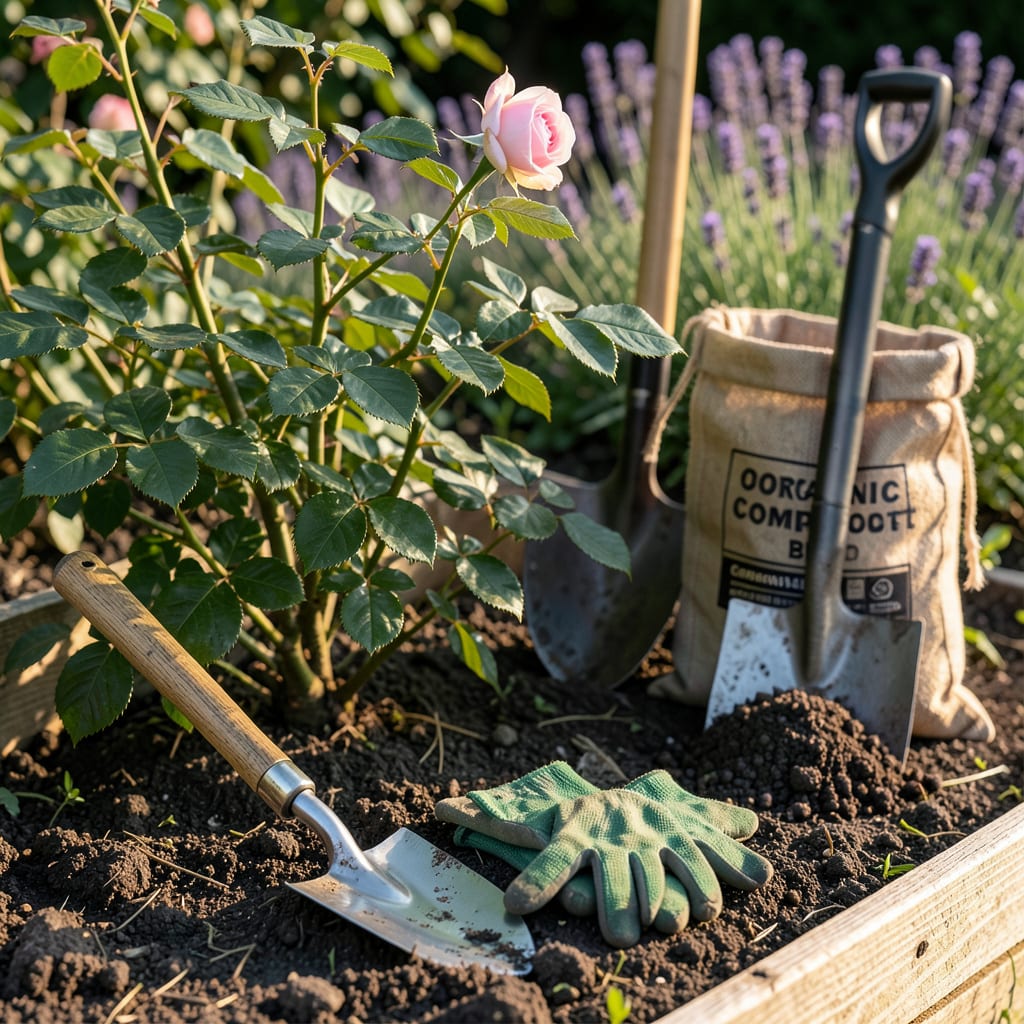
Timing can make or break your 🌹 rose garden in Texas—plant too soon, and late frosts might zap your bushes; wait too long, and the summer sun could fry them. I’ve seen both scenarios play out, and let me tell you, getting it right is the key to vibrant blooms.
After years of testing and talking to Texas gardeners, I’ve nailed down the perfect window for different zones. Whether you’re in chilly North Texas or balmy South Texas, I’ll show you exactly when to get those roses in the ground for lush, healthy growth.
If you’re dreaming of a garden bursting with Texas-tough roses, timing your planting is everything. Our state’s wild climate swings—from Panhandle blizzards to Rio Grande Valley heatwaves—mean what works in Dallas won’t fly in Houston. Let’s break down the perfect planting windows for your exact zone.
Texas spans USDA Zones 6a–10a, with last frost dates varying by months. North Texas gardeners (Zone 8a) must wait until mid-March, while Coastal Texans (Zone 9b) can plant as early as January. The golden rule? Soil temps should hit 55°F+ before planting.
| Zone | Region | Bare-Root | Container | Last Frost |
|---|---|---|---|---|
| 8a | North Texas | Jan–Feb | Feb–Mar | March 15 |
| 8b | Central Texas | Dec–Jan | Jan–Feb | March 1 |
| 9a | South Texas | Nov–Dec | Oct–Feb | Feb 15 |
| 9b | Coastal Texas | Oct–Nov | Year-Round | Feb 1 |
Avoid June–August due to extreme heat stress.
For bare-root roses, aim for late January through February in most zones. These dormant plants need 4–6 weeks to establish roots before spring growth. Container-grown roses offer more flexibility—plant them fall through early spring, but avoid summer’s 100°F+ temps.
Pro tip: Fall planting (September–November) often beats spring in Texas. Cooler temps and winter rains help roots grow strong before summer. Just finish planting 6 weeks before your zone’s first frost (check the table above!). North Texans, you’ve got until early November; Coastal folks can plant through December.
Soil prep matters just as much as timing. Texas’ clay-heavy soils need amending with compost or pine bark fines (2–3 inches worked into the top 12″). For drainage-prone areas (like the Hill Country), mix in expanded shale. Always plant roses 1–2 inches deeper than their nursery pot to protect grafts from freeze-thaw cycles.
Watering after planting is critical—deep soak (1–2 gallons per bush) 2–3 times weekly for the first month. Mulch with 3 inches of shredded bark to retain moisture and block weeds. In Zone 9b, where humidity lingers, space plants 4–5 feet apart to prevent black spot fungus.
Watch for late frosts in North Texas (yes, even in April!). Keep frost blankets handy for newly planted roses until they’re established. South Texans, your bigger challenge is drought stress—install drip irrigation on a timer to keep moisture consistent without wetting foliage (which invites disease).
If you missed the ideal window, don’t panic! Container roses can go in the ground anytime if you’re willing to babysit them. Just avoid peak summer (June–August) and hard freezes (December–January in North Texas). For bare-root roses, though, stick to the dormant season—they’ll thank you with more blooms and stronger canes.
Remember: Texas roses thrive on tough love. Once established, most varieties laugh at our heat and drought. But that first year? Consistent water, monthly fertilizer (5-10-5 NPK), and watchful pruning will set them up for decades of blooms. Now grab your shovel—your best planting window is calling! 🌹
Planting roses in Texas isn’t just about timing—it’s about avoiding costly mistakes that could doom your bushes before they bloom. I’ve seen even experienced gardeners struggle with our unforgiving summers and tricky clay soils. Let’s tackle the three biggest pitfalls.
First up: planting during peak summer. June through August is not the time to introduce roses to Texas soil. The 100°F+ temperatures stress plants, forcing them to focus on survival rather than root growth. Even container roses will struggle without constant attention.
💡 Quick Fix: Use shade cloth for summer plantings; amend soil with expanded shale for drainage.
Another common blunder? Ignoring soil drainage. Texas’ heavy clay holds water like a sponge, suffocating rose roots. I always recommend digging a $10 hole test: Fill your planting hole with water. If it drains slower than 1 inch per hour, you’ve got a problem.
The solution? Mix 3 inches of compost and 1/4 cup expanded shale into the native soil. For raised beds, use a blend of 60% garden soil, 30% compost, and 10% perlite. This mimics the well-draining loam roses crave.
Finally, don’t overlook afternoon shade requirements. While roses need 6+ hours of sun, Texas afternoons can be brutal. In Zones 8b–9b, plant roses where they’ll get morning sun but dappled afternoon shade. A south-facing bed with a nearby tree works perfectly.
For container roses in hot zones, I use this trick: Place pots on wheeled plant caddies to move them into shade when temps hit 95°F+. Even established roses benefit from temporary shade cloth during heat waves. Remember, leaf scorch isn’t just ugly—it weakens the plant for next year’s blooms.
Bonus tip: Mulch matters more in Texas than in cooler climates. Apply 3–4 inches of shredded cedar (not dyed mulch!) to keep roots cool. Replenish every 6 months as it breaks down. This simple step can drop soil temps by 10°F—a lifesaver in August!
By avoiding these three mistakes—summer planting, poor drainage, and afternoon sun overload—you’ll give your roses a fighting chance. Texas may throw heat, drought, and clay at you, but with these fixes, your roses will thrive. Now go plant with confidence! 🌹
When I first started growing roses in Texas, I always planted in early spring—until I realized fall planting gives my bushes a huge head start. The cooler temps and winter rains help roots establish without the stress of summer heat. But is fall always better? Let’s compare both seasons.
Fall planting (September–November) lets roses develop strong root systems before winter dormancy. I’ve found my fall-planted roses bloom 2–3 weeks earlier the following spring. They also need 30% less water than spring-planted roses during their first summer—a big win in our drought-prone state.
Spring planting (February–March) shines for bare-root roses, which are only available during dormancy. I reserve spring for these because they need immediate planting. Container roses can go in spring too, but I water them daily until established—something fall-planted roses rarely need.
Here’s my Texas-specific rule: Fall plant container roses, spring plant bare-root. The exception? North Texas (Zone 8a), where I plant everything in early spring to avoid late frosts. In South/Central Texas (Zones 8b–9b), fall planting wins 90% of the time.
For both seasons, I prep soil the same way: 12-inch-deep holes amended with compost and expanded shale. The difference? Fall plantings get 2 inches of mulch immediately; spring plantings wait until soil warms to avoid rot. This small tweak prevents crown rot in our unpredictable springs.
Remember: Texas roses planted in fall will outperform spring-planted ones in their first year. But if you miss fall, don’t wait—just plant in late winter and be ready with the hose. Either way, you’ll get blooms by summer! 🌹
Bare-root roses are dormant plants sold without soil, best planted in January–February in Texas. They establish roots quickly but need 4–6 weeks before spring growth. Container roses, grown in pots, offer more flexibility—plant them fall through early spring, avoiding summer heat.
It’s not recommended—Texas summers (June–August) stress new roses with 100°F+ temps. If you must, choose container-grown roses, plant in partial shade, and water daily. Use shade cloth to protect young plants until established.
In North Texas (Zone 8a), keep frost blankets handy until mid-April. Cover roses at dusk when frosts are forecast, removing blankets by 10 AM to prevent overheating. For extra protection, add 3–4 inches of mulch around the base.
Use shredded cedar or pine bark—it retains moisture, suppresses weeds, and keeps roots cool. Apply 3–4 inches around the base (avoid touching stems). Replenish every 6 months as it decomposes. This can drop soil temps by 10°F in summer!
Water deeply 2–3 times weekly for the first month, using 1–2 gallons per bush. In summer heat, increase to daily watering for container roses. Always water in the early morning to reduce evaporation and fungal risks.
