
Beautiful Plants For Your Interior
Beautiful Plants For Your Interior
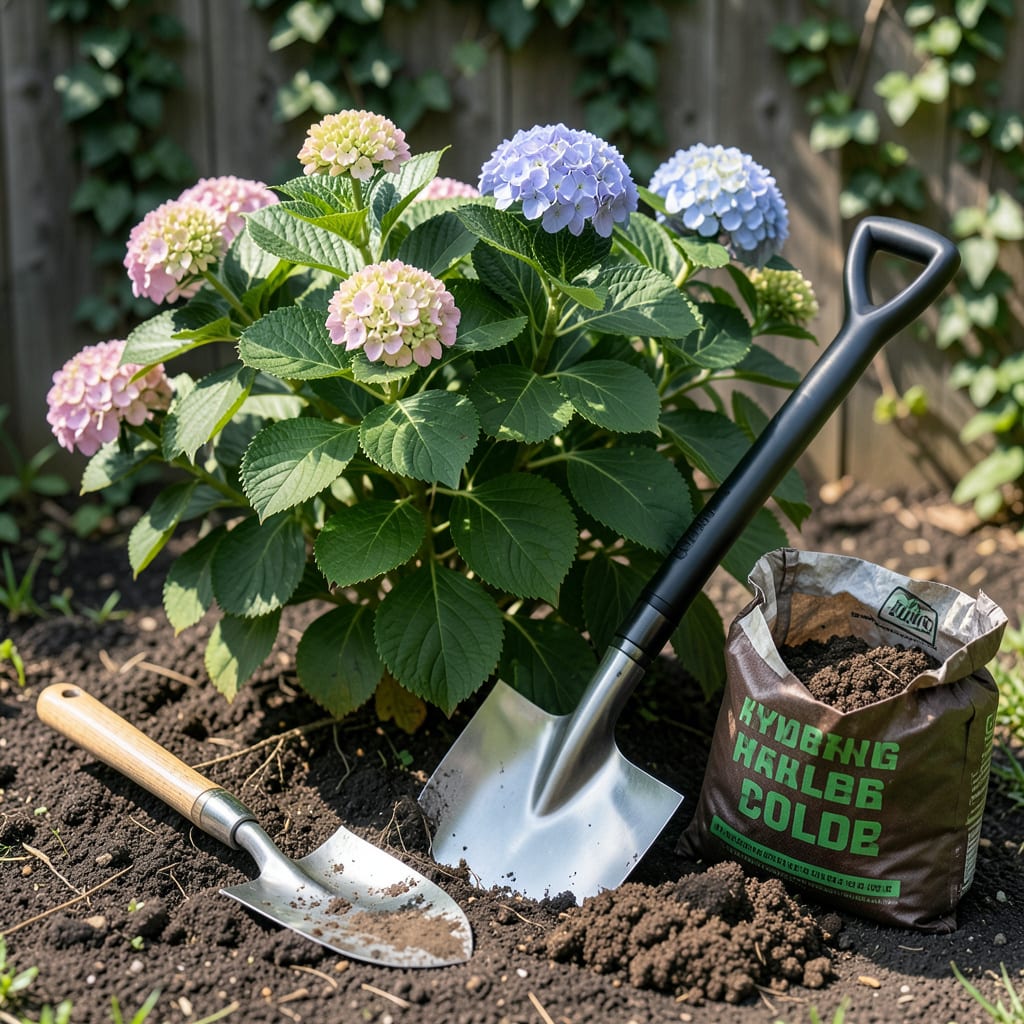
If you’ve ever watched your neighbor’s hydrangeas burst with color while yours struggle to survive, timing might be your missing piece. Florida’s unique climate—balmy one day, unpredictable the next—makes planting these beauties a game of strategy, not luck.
I’ve seen gardeners make one critical mistake: assuming “anytime” works for 🌸 hydrangeas in Zones 8-10. The truth? There’s a 5-month sweet spot where roots establish just right. Let me show you exactly when to dig in—and why those extra weeks make all the difference between thriving shrubs and disappointing sticks.
If you’ve ever wondered why your neighbor’s hydrangeas burst with color while yours struggle, timing is often the culprit. Florida’s unique climate—with its steamy summers and mild winters—demands a strategic approach. I’ve found that planting during the cooler months gives roots time to establish without heat stress.
In North Florida (Zone 8b), aim for October through February to avoid unexpected frosts. Further south in Zones 9-10, you can push planting into early March, but I’d still avoid the scorching summer. The key? Soil temps between 60-70°F—perfect for root growth. 🌱
| Region | USDA Zone | Ideal Months | Avoid |
|---|---|---|---|
| Panhandle (Tallahassee) | 8b | Oct-Feb | June-Sept |
| Central (Orlando) | 9a-9b | Nov-Mar | May-Sept |
| South (Miami) | 10a-11a | Dec-Feb | April-Oct |
Pro Tip: Plant in early morning to reduce transplant shock. Test soil pH—5.5-6.5 is ideal for vibrant blooms!
Why does fall planting work so well? Cooler temps mean less water stress, and roots grow actively while tops stay dormant. I’ve seen hydrangeas planted in November outperform spring-planted ones by their second year. Just be sure to mulch heavily—2-3 inches of pine bark helps retain moisture.
For spring planting, February to early March is your sweet spot. Wait until after the last frost (check your local USDA zone—North Florida’s last frost is typically mid-January, while South Florida rarely sees frost). If you plant in late March, you risk heat waves stunting growth.
Here’s a trick I swear by: Soak roots in water for 30 minutes before planting. This hydrates the plant and reduces transplant shock. Pair that with a shady afternoon spot, and you’ll see faster establishment. Remember, hydrangeas in Florida need partial shade—especially in Zones 9-10. ☀️
If you’re in South Florida (Zone 10+), you can plant hydrangeas year-round, but I’d still avoid peak summer (June-August). The combination of heat and humidity stresses new plants. Instead, opt for December-February when temps are milder and rainfall is lower.
For container-grown hydrangeas, timing is more flexible, but I’d still recommend fall or winter. Potted plants dry out faster in Florida’s heat, so planting during cooler months gives them a fighting chance. Use a high-quality potting mix with perlite for drainage—soggy roots are a death sentence here. 💧
One last thing: Oakleaf hydrangeas (Hydrangea quercifolia) are Florida’s MVPs. They tolerate heat and humidity better than bigleaf varieties (H. macrophylla). If you’re in Zone 9 or 10, consider ‘Alice’ or ‘Snow Queen’—they thrive with minimal fuss and offer stunning fall foliage too.
Still unsure? Grab a soil thermometer—if it reads 60-70°F at 6” deep, you’re good to plant. And don’t forget to water deeply after planting, then taper off as roots establish. Your patience will pay off with bigger, brighter blooms next season! 🌸
Even with perfect timing, a few common blunders can sabotage your hydrangea success in Florida. I’ve seen gardeners unknowingly stress their plants with these mistakes—often without realizing it until blooms fail to appear. The good news? They’re all preventable with a little foresight.
First up: planting in peak summer. Florida’s June-August heat isn’t just uncomfortable for you—it’s brutal on new hydrangea roots. I’ve watched shrubs planted in July wilt within days, even with daily watering. The fix? Stick to fall or winter planting, when temps stay below 85°F. 🌡️
Quick Fix: Amend soil with sulfur (for blue) or lime (for pink) 2 months before planting.
Another biggie: skipping soil prep. Florida’s sandy soil drains too fast for hydrangeas, which crave moisture-retentive, acidic conditions. I always mix in 30% compost and 20% peat moss before planting. Without this, you’ll battle wilting and nutrient deficiency all season.
Here’s a mistake I made early on: choosing the wrong variety. Not all hydrangeas thrive in Florida’s heat. Bigleaf types (H. macrophylla) often struggle with powdery mildew in humidity. Instead, opt for Oakleaf (H. quercifolia) or Panicle (H. paniculata)—they’re far more resilient.
Watering missteps are another silent killer. Many gardeners either drown their hydrangeas or let them dry out. The sweet spot? Deep watering 2-3x weekly for the first month, then taper to 1x weekly. Use a moisture meter—it’s a game-changer in Florida’s unpredictable rain patterns. 💧
Finally, don’t overlook mulching errors. Piling mulch against the stem causes rot, while too little lets weeds compete. I use 2-3 inches of pine bark, kept 3 inches away from the base. This keeps roots cool and retains moisture without suffocating the plant.
Remember: even container-grown hydrangeas need attention. I’ve seen potted plants bake in Florida sun because their roots overheat. Use light-colored containers and move them to shade when temps hit 88°F+. With these fixes, you’ll sidestep the pitfalls and enjoy lush, colorful blooms for years! 🌸
Not all hydrangeas can handle Florida’s sweltering heat and sticky humidity. After years of trial and error, I’ve found the varieties that don’t just survive—they thrive and bloom like crazy. The secret? Choosing types bred for heat tolerance and disease resistance.
At the top of my list: Oakleaf hydrangeas (Hydrangea quercifolia). These natives laugh at Florida’s heat, with leathery leaves that resist wilting. ‘Alice’ and ‘Snow Queen’ are my go-tos—they deliver huge white blooms in summer and stunning burgundy fall foliage. 🌿
| Variety | Heat Tolerance | Sun Needs | Bloom Time |
|---|---|---|---|
| Oakleaf ‘Alice’ | Excellent | Part Shade | Summer |
| Panicle ‘Limelight’ | Very Good | Full Sun-Part Shade | Mid-Late Summer |
| Endless Summer | Good (needs shade) | Morning Sun | Spring-Fall |
Pro Tip: For blue blooms, amend soil with aluminum sulfate 2 months before planting.
For full-sun areas, Panicle hydrangeas (H. paniculata) are your best bet. ‘Limelight’ and ‘Little Lime’ handle 6+ hours of sun without crisping. Their cone-shaped blooms start lime green, then turn pink—perfect for adding season-long color to hot spots.
If you’re set on bigleaf hydrangeas (H. macrophylla), stick to the ‘Endless Summer’ series. These rebloomers tolerate heat better than old-fashioned mopheads, but they need afternoon shade in Zones 9-10. I’d avoid them entirely in South Florida—the humidity triggers powdery mildew.
For small spaces, try ‘Little Quick Fire’ (a dwarf panicle) or ‘Pee Wee’ Oakleaf. Both stay under 4 feet tall but pack big bloom power. Pair them with mulch to keep roots cool—Florida’s heat bakes shallow root systems fast. ✂️
Remember: even the toughest varieties need consistent moisture their first year. I set up drip irrigation on a timer for my new plantings—3x weekly for 15 minutes does the trick. Once established, most Florida-friendly hydrangeas only need weekly deep watering (unless we’re in drought).
Avoid July and August at all costs. The combination of 90°F+ temps and high humidity stresses new roots beyond recovery. Even with daily watering, survival rates plummet during peak summer.
Yes, but fall/winter planting still gives best results. Potted hydrangeas dry out fast in Florida heat, so use light-colored containers and move to shade when temps exceed 88°F. Drip irrigation helps maintain moisture.
Test pH with a kit—5.5-6.5 is ideal. Florida’s sandy soil often needs amending: mix in 30% compost and 20% peat moss. For blue blooms, add aluminum sulfate 2 months before planting.
Oakleaf hydrangeas (H. quercifolia) win for heat tolerance. ‘Alice’ and ‘Snow Queen’ thrive in Zones 8-10 with minimal care. For full sun, try Panicle ‘Limelight’—it laughs at 6+ hours of sun.
2-3 times weekly for the first month, then taper to once weekly. Use a moisture meter—Florida’s rain patterns are unpredictable. Morning watering prevents evaporation and fungal issues.
