
Beautiful Plants For Your Interior
Beautiful Plants For Your Interior
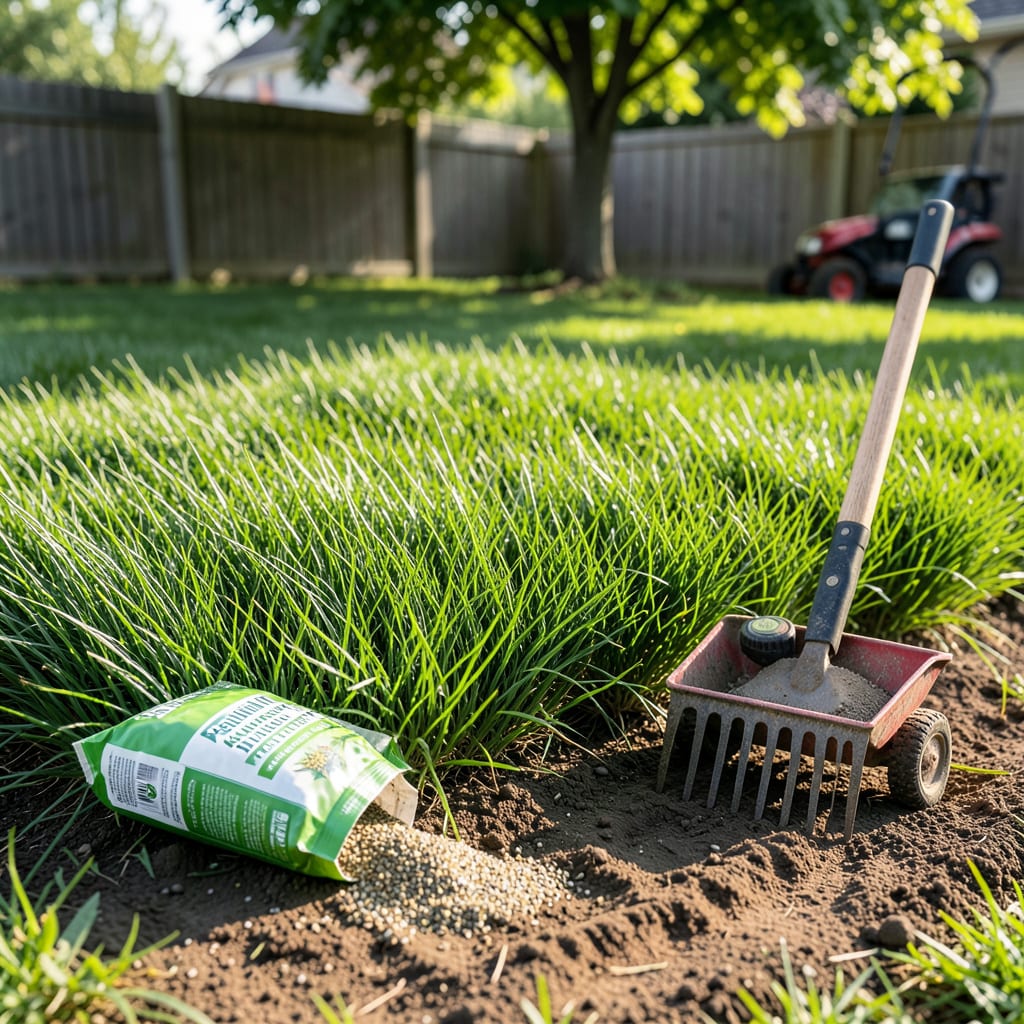
Timing can make or break your lawn—plant grass seed too early in Ohio, and frost might wipe out your efforts. Wait too long, and summer heat could fry those tender new sprouts before they even take root. I’ve seen both scenarios play out, and trust me, neither leads to that lush, green yard you’re dreaming of.
The good news? There’s a perfect window to get it right, and it’s all about working with Ohio’s climate, not against it. Whether you’re in Cleveland or Cincinnati, I’ll show you exactly when to plant for faster germination, stronger roots, and a lawn that’ll be the envy of your neighborhood. Let’s dig in.
If you want a lawn that thrives in Ohio, timing your grass seed planting is everything. Our state’s climate—with its USDA Zones 5-6—means you’ve got two prime windows: early fall (August to mid-September) and spring (late March to early May). But here’s the kicker: fall is the gold standard for Ohio lawns.
Why? Cooler temps, fewer weeds, and consistent rainfall give seeds the perfect environment to establish strong roots before winter. Soil temperatures hover around 50-65°F, which is ideal for germination. Spring planting can work, but you’ll battle weeds and drought as summer hits. Let’s break it down by region.
| City | Best Fall Window | Best Spring Window | Notes |
|---|---|---|---|
| Columbus | Aug 15 – Sep 15 | Mar 20 – Apr 10 | Avoid late spring frost risk. |
| Cleveland | Aug 20 – Sep 10 | Apr 1 – Apr 20 | Northern Ohio’s cooler temps favor fall. |
| Cincinnati | Aug 10 – Sep 20 | Mar 15 – Apr 5 | Warmer southern climate extends fall window. |
Source: Ohio State University Extension guidelines for cool-season grasses.
For Northern Ohio (Cleveland, Toledo), aim to plant by early September to avoid early frosts. In Southern Ohio (Cincinnati, Dayton), you can push planting into late September thanks to milder temps. Pro tip: Use a soil thermometer to check temps—50°F or higher is your green light.
If you’re planting in spring, watch the calendar closely. Seed after the last frost date (around April 15 for most of Ohio), but avoid late May plantings. Summer heat can stress young grass. Stick to cool-season grasses like Kentucky Bluegrass or Tall Fescue—they thrive in Ohio’s climate.
Still unsure? Check your local OSU Extension office for hyper-local advice. They often provide free soil tests and updated frost date maps. Remember, a little research now saves you from patchy grass (and frustration) later. Your future lawn will thank you! 🌱
One last thing: If you miss the fall window, dormant seeding in late November can work. The seeds lie dormant until spring, giving you a head start. Just be sure to mulch lightly to protect them from winter’s whims. It’s a gamble, but sometimes it pays off! 🌿
Even with perfect timing, small mistakes can sabotage your Ohio lawn before it gets a chance to thrive. I’ve seen homeowners pour time and money into seeding, only to end up with patchy grass or bare spots. The good news? Most issues are fixable if you catch them early.
One of the biggest blunders? Planting in summer. Ohio’s heat and humidity stress young grass, leading to weak roots or total failure. Another common misstep is skipping soil prep. Our state’s clay-heavy soil compacts easily, suffocating seeds. Let’s tackle these problems head-on.
Pro tip: Use a rain gauge to track watering—Ohio’s rainfall is unpredictable!
Another issue I see often: choosing the wrong grass type. If your yard has shady areas, Fine Fescue thrives where Kentucky Bluegrass struggles. For high-traffic zones, Tall Fescue handles foot traffic better than most. Always match the grass to your yard’s conditions.
Skipping starter fertilizer is another critical error. New grass needs nutrients to establish roots. Apply a balanced 10-10-10 fertilizer at planting, then follow up 6 weeks later. If you notice yellow patches, it’s often a sign of nitrogen deficiency—an easy fix with a quick fertilizer boost.
Finally, don’t forget about mowing height. Cutting new grass too short stresses it. Wait until blades reach 3 inches, then mow to 2 inches. This encourages deeper roots and crowds out weeds. If your lawn looks thin, overseeding in early fall can fill gaps without starting from scratch. 🌿
Fall’s cooler air and warm soil create ideal conditions for seed germination. Soil temperatures stay between 50-65°F, which is perfect for root development before winter. Plus, fewer weeds compete with new grass, and consistent rainfall reduces watering demands.
It’s risky! Ohio’s summer heat and humidity stress young grass, often leading to poor germination or burnt patches. If you must, choose heat-tolerant varieties like Tall Fescue and water twice daily. Early morning and late evening watering helps, but fall remains the safer bet.
Test soil temperature with a thermometer—it should read at least 50°F at a 2-inch depth. Also, check moisture by squeezing a handful: it should crumble slightly but hold shape. If it’s muddy or rock-hard, wait or amend with compost. A simple pH test (aim for 6.0-7.0) ensures optimal nutrient uptake.
Skipping soil preparation! Ohio’s clay-heavy soil compacts easily, suffocating seeds. Always aerate first, then loosen the top ¼ inch of soil. Adding a thin layer of compost improves drainage and provides nutrients. Without this step, even perfect timing won’t guarantee a lush lawn.
Under ideal conditions, you’ll spot sprouts in 7-14 days, with full coverage in 6-8 weeks. Cool-season grasses like Kentucky Bluegrass may take longer to establish but reward patience with dense, durable turf. Keep soil consistently moist (not soggy) during this period for best results.
