
Beautiful Plants For Your Interior
Beautiful Plants For Your Interior
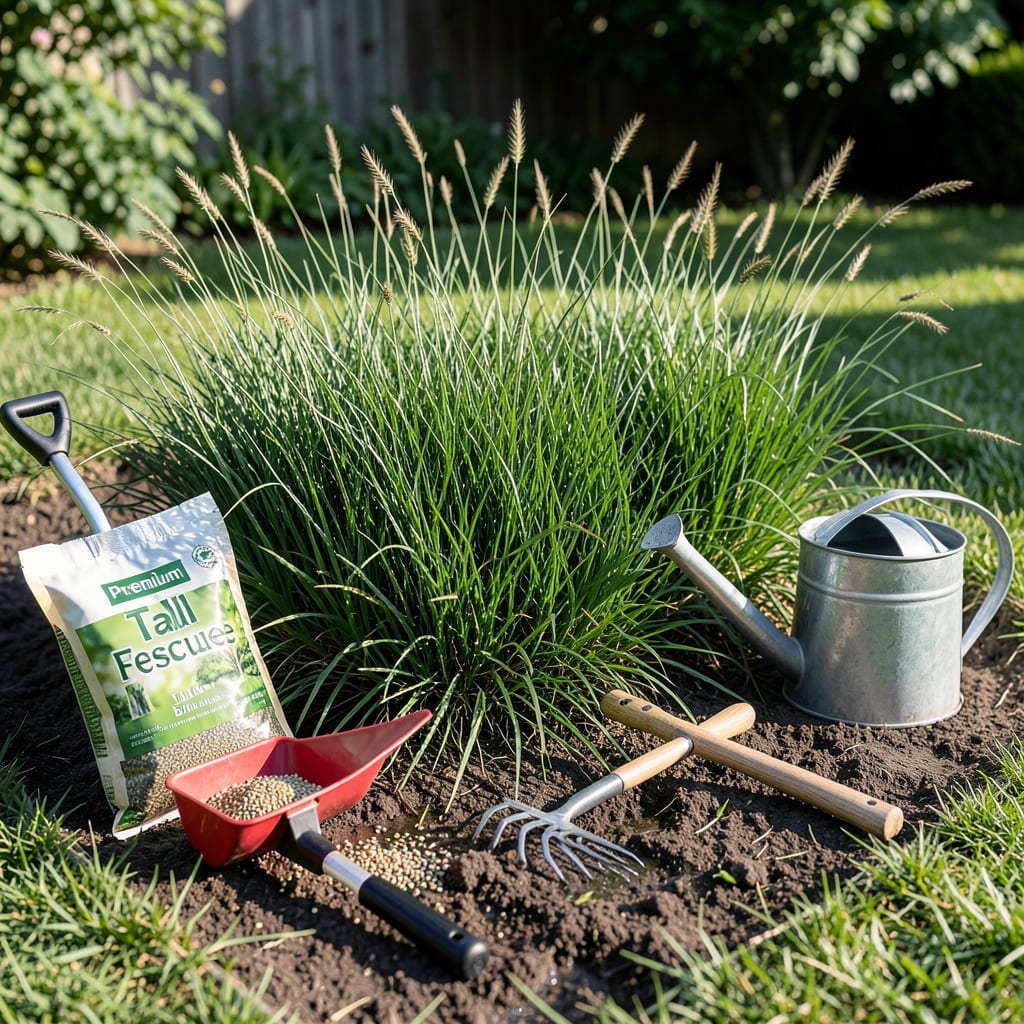
Timing your grass seed planting in North Carolina can make or break your lawn’s success. Plant too early or late, and you might face patchy growth or wasted effort—especially with our state’s diverse climates, from the Piedmont’s rolling hills to the Coastal Plain’s sandy soils.
After testing different approaches in my own yard, I’ve found the ideal windows for lush results. Whether you’re dealing with cool-season fescue or warm-season Bermuda, I’ll show you exactly when to plant in your region—so you can skip the guesswork and grow a lawn that thrives year-round.
If you’re dreaming of a lush, green lawn in North Carolina’s Piedmont region, timing your grass seed planting is critical. This area—spanning from the rolling hills of Raleigh to the clay-heavy soils of Charlotte—has a unique climate that demands precision. Plant too early, and summer heat can scorch tender sprouts. Plant too late, and frost may stunt growth before roots establish.
The best windows for planting grass seed here are early fall (late August to mid-October) and early spring (March to April). Fall is the gold standard because cooler temps and consistent rainfall give seeds the perfect conditions to germinate and develop deep roots before winter. Spring planting works too, but you’ll need to be mindful of late frosts and summer droughts.
For cool-season grasses like Tall Fescue and Kentucky Bluegrass, I always recommend fall planting. The soil stays warm while air temps cool, creating ideal germination conditions. Aim to plant 6–8 weeks before the first frost (around October 15 for most of the Piedmont). This gives roots time to establish before winter dormancy.
If you’re set on spring planting, get seeds in the ground by mid-April. Use a starter fertilizer to boost growth, and be prepared to water frequently as temps rise. Avoid planting in May or June—the heat can stress young grass, and you’ll battle weeds competing for water and nutrients.
For warm-season grasses like Bermuda or Zoysia, late spring to early summer is your sweet spot. Wait until soil temps hit 65°F (usually May in the Piedmont). These grasses thrive in heat but need consistent moisture during establishment. I’ve seen too many lawns struggle because they were planted too early in cool, wet spring soil.
Before planting, test your soil. The Piedmont’s clay-heavy soil often needs amending with compost or sand to improve drainage. A soil pH of 6.0–7.0 is ideal for most grasses. You can grab a free soil test kit from your local NC Cooperative Extension office—they’ll give you tailored recommendations for your exact location.
Once your seeds are down, keep the soil moist but not soggy. Water lightly daily (about 1/4 inch) until germination, then transition to deep, infrequent watering (1 inch per week). Avoid evening watering to prevent fungal diseases like brown patch or dollar spot, which are common in NC’s humid summers.
Don’t forget about aftercare. Mow your new grass when it reaches 3–4 inches tall, but never remove more than 1/3 of the blade at once. For fall-planted lawns, apply a winterizer fertilizer in November to strengthen roots. If you planted in spring, hold off on heavy feeding until late summer to avoid burning tender grass.
Finally, watch the weather forecast closely. If a cold snap is predicted within a week of planting, consider covering your seedbed with straw mulch for insulation. Conversely, if tropical storms are heading toward NC (common in late summer), delay planting—heavy rains can wash away seeds or drown young sprouts.
By following these Piedmont-specific tips, you’ll set your lawn up for success. Whether you’re overseeding a thin lawn or starting from scratch, timing and preparation make all the difference. And remember, a little patience goes a long way—healthy grass takes 2–3 years to fully mature, but the payoff is worth it! 🌱
Planting grass seed in Coastal North Carolina is a different beast than the Piedmont. The sandy soils, high humidity, and hurricane season create unique challenges. I’ve seen too many lawns fail here because gardeners followed generic advice without accounting for the coast’s microclimate.
The ideal planting window for Coastal NC is late spring to early summer (May–July) for warm-season grasses like Centipede and Zoysia. These varieties thrive in the heat and humidity but need consistent moisture during establishment. Avoid planting in late summer—hurricane season (June–November) can bring flooding or saltwater intrusion, which devastates young grass.
Avoid planting grass seed within 4–6 weeks of hurricane season (June 1–November 30). Heavy rains can wash away seeds, and saltwater storm surges may damage soil. Check the National Hurricane Center before planting.
For cool-season grasses like Tall Fescue, stick to early fall (September–October). The key is planting 6–8 weeks before the first frost (around November 1 for coastal areas). This gives roots time to establish before winter. However, sandy soil dries out fast, so you’ll need to water more frequently than in the Piedmont—aim for 1/2 inch every other day until germination.
The Coastal Plain’s sandy soil drains quickly, which is great for preventing fungal diseases but means nutrients leach out faster. Before planting, amend your soil with organic matter (compost or peat moss) to improve water and nutrient retention. A soil test is non-negotiable here—coastal soils often lack phosphorus and potassium, which are critical for root development.
If you’re planting in spring or summer, be prepared to water deeply 2–3 times per week. The high evaporation rates in coastal areas mean shallow watering won’t cut it. I recommend using a soaker hose or irrigation system to deliver water directly to the roots. Avoid overhead sprinklers in the evening—they can promote fungal diseases like brown patch in humid conditions.
After planting, mulch lightly with straw or pine needles to retain moisture and protect seeds from sandy soil erosion. Once your grass reaches 3 inches tall, mow it to 2 inches to encourage thickening. For warm-season grasses, apply a slow-release fertilizer in late spring and again in midsummer to keep them thriving through the heat.
Finally, keep an eye on local weather patterns. Coastal NC can experience sudden temperature swings and unexpected droughts. If a tropical depression is forecasted, delay planting or cover your seedbed with burlap to protect it from heavy rains. With the right timing and care, you can grow a resilient coastal lawn that handles heat, humidity, and even the occasional storm! 🌊
Even with perfect timing, small mistakes can sabotage your North Carolina lawn. After helping dozens of neighbors troubleshoot their patchy grass, I’ve noticed the same five blunders repeat year after year. The good news? They’re all preventable with a little know-how and planning.
One of the biggest errors I see is planting too late in fall. Many gardeners wait until November to sow seeds, thinking cooler weather is better. But in NC, you need to plant 6–8 weeks before the first frost—that means mid-October at the latest for most regions. Seeds planted later struggle to establish roots before winter dormancy.
Another critical mistake is using the wrong grass type for your lifestyle. If you love a low-maintenance lawn, Centipede or Zoysia are great for coastal areas, while Tall Fescue handles Piedmont clay well. But if you want a lush, dark-green lawn and don’t mind extra care, Kentucky Bluegrass is stunning—just be ready for more watering and fertilizing.
Lastly, don’t overlook seed-to-soil contact. Simply tossing seeds onto hard ground won’t cut it. Use a rake or lawn roller to press seeds 1/4 inch into the soil. For bare spots, loosen the top 1–2 inches of soil first. I’ve found that mixing seeds with compost or sand helps distribute them evenly and improves contact.
By avoiding these common pitfalls, you’ll save time, money, and frustration. Remember, a great lawn starts with preparation and patience. If your first attempt isn’t perfect, don’t stress—even the best gardeners overseed and adjust as they learn what works for their specific yard! 🌱
Fall is the gold standard for cool-season grasses like fescue, as cooler temps and consistent rainfall create ideal germination conditions. Spring works too, but you’ll battle late frosts and summer droughts. Aim for September–October in fall or March–April in spring.
It’s risky in most of NC due to heat stress and drought. The exception is warm-season grasses like Bermuda or Zoysia, which can be planted in late spring/early summer (May–July) when soil temps hit 65°F+. Always water deeply 2–3 times weekly if planting in summer.
Check three key signs: soil temp between 50°F–65°F (use a thermometer), moisture in the top 2 inches (not soggy or bone-dry), and a pH of 6.0–7.0. If your soil is too compacted or sandy, amend with compost before planting. A free test from your NC Cooperative Extension office removes the guesswork.
Planting too late in fall—many wait until November, but seeds need 6–8 weeks before frost to establish roots. Another common error is skipping soil prep, like not testing pH or amending clay/sandy soil. Always plant 45–60 days before first frost (mid-October for most of NC).
Coastal NC’s sandy soil and hurricane season (June–November) shift the ideal window. Plant warm-season grasses in May–July and cool-season types by early October. Avoid planting within 4–6 weeks of hurricane season—heavy rains can wash seeds away.
