
Beautiful Plants For Your Interior
Beautiful Plants For Your Interior
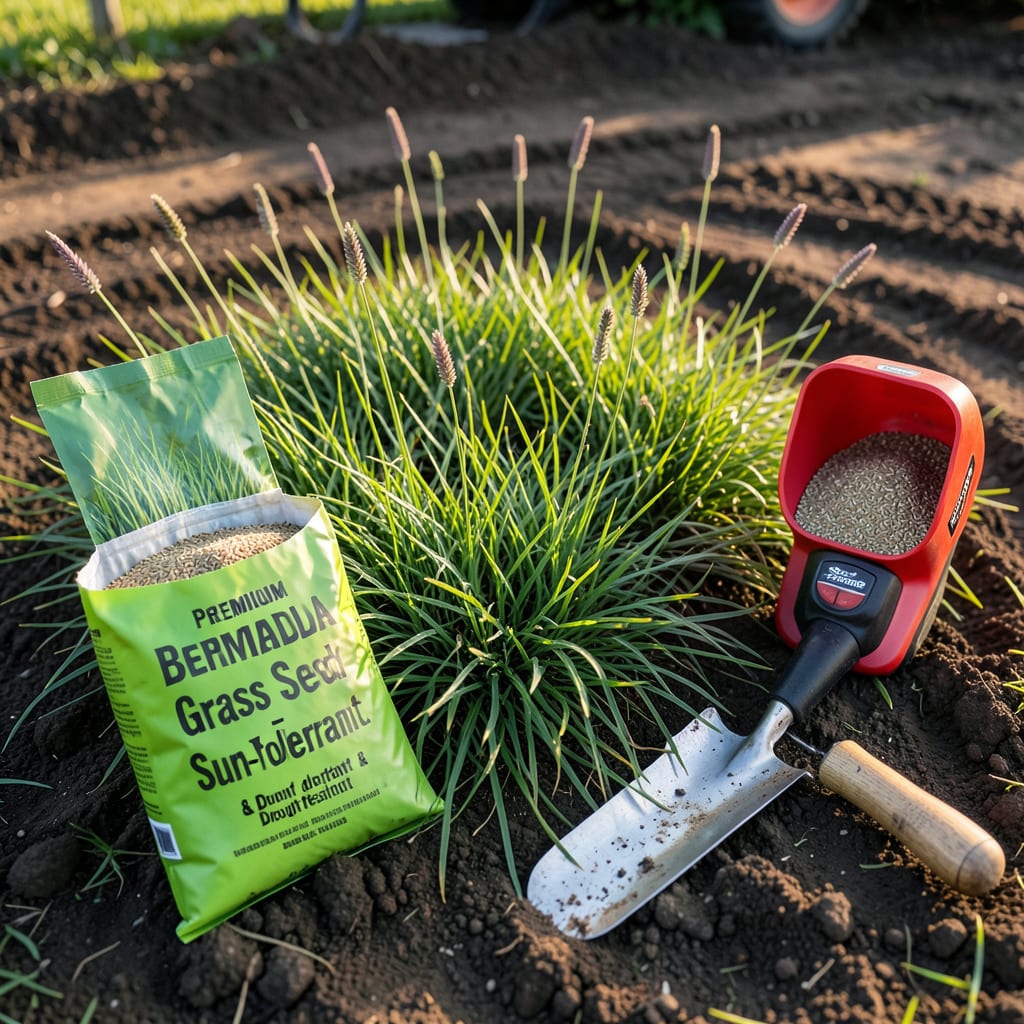
Timing your grass planting wrong in Texas can mean months of wasted effort—or worse, a lawn that never takes root. Our state’s extreme heat, unpredictable droughts, and varied climate zones make the planting window critical for success.
Whether you’re in the Panhandle or the Gulf Coast, I’ll break down the exact months to plant warm-season and cool-season grasses for your region. You’ll also discover which varieties thrive where you live, so you can skip the trial-and-error and grow a lush lawn the first time.
If you’ve ever struggled with a patchy Texas lawn, timing might be your biggest issue. Texas spans five climate zones, from humid coastal areas to arid West Texas. Each region demands different planting strategies—what works in Dallas won’t fly in El Paso. 🌱
I’ll break down the exact months to plant both warm-season grasses (like Bermuda and Zoysia) and cool-season varieties (such as Ryegrass). Whether you’re in North Texas’ clay soil or the sandy Gulf Coast, this guide ensures you plant when conditions are perfect. ☀️
Plant when soil temps reach 65°F+ for warm-season grasses, 50–65°F for cool-season.
In North Texas, I recommend planting Bermuda grass between mid-April and June when soil warms. For cool-season grasses like Tall Fescue, aim for September to early October—this gives roots time to establish before winter. 🌡️
Central Texas has a slightly longer window. St. Augustine thrives when planted March through May, while Ryegrass overseeding works best in October–November. The key here is avoiding summer drought stress—new grass needs consistent moisture. 💧
Down in South Texas and the Gulf Coast, you can start warm-season grasses as early as February if the winter was mild. St. Augustine and Zoysia love the humidity but hate soggy soil—ensure good drainage. Cool-season grasses are rarely needed here. 🌿
West Texas is the trickiest—drought and heat dominate. Stick to native Buffalo grass or drought-tolerant Bermuda, planted in April–May. Avoid cool-season grasses entirely; they won’t survive the 100°F+ summers. ☀️
Pro tip: Always check soil temperature with a thermometer. Warm-season grasses need 65°F+ at 2-inch depth for 3+ days. For cool-season, 50–65°F is ideal. Planting too early or late leads to poor germination and weak roots. 📌
If you’re overseeding with Ryegrass for winter color, do it 4–6 weeks before your first expected frost. In Dallas, that’s early October; in Houston, late November. This timing ensures the Ryegrass establishes before cold snaps. ✂️
Remember, Texas weather is unpredictable. If a late freeze or early heatwave hits, adjust your planting date. I always keep extra seed on hand for patch repairs. Monitoring 10-day forecasts can save your lawn from stress. 🌧️
Planting grass in Texas isn’t just about picking the right month—it’s about avoiding the common pitfalls that turn lush lawns into patchy disasters. I’ve seen too many homeowners waste time and money by ignoring Texas-specific challenges. Let’s fix that. 🌱
One of the biggest mistakes? Planting when soil temperatures are wrong. Warm-season grasses like Bermuda need 65°F+ soil for 3+ days, while cool-season varieties require 50–65°F. A cheap soil thermometer can save you from a failed lawn. 🌡️
In North Texas, the clay-heavy soil is another silent lawn killer. I’ve watched neighbors plant beautiful Bermuda grass, only to see it drown in compacted clay. Always aerate first and mix in 2–3 inches of compost before seeding. 🪣
Watering mistakes are just as deadly. New grass seed needs consistent moisture—think light daily watering for the first 2 weeks, then taper off. But beware: Texas evenings bring fungal risks, so water before 10 AM to let blades dry. 💧
Here’s a regional red flag: Coastal Texas homeowners often overseed with Ryegrass too late. If you’re in Houston or Corpus Christi, plant by mid-November—not December—so roots establish before winter. West Texas? Skip cool-season grass entirely; it’s not worth the water. ✂️
Finally, never ignore Texas drought conditions. Even drought-tolerant grasses like Buffalo need deep watering their first year. I set up rain sensors on my sprinklers to avoid wasting water during sudden downpours. Check your local water restrictions too—some cities limit lawn watering to 2x/week. 🌧️
Choosing the right grass for your Texas lawn isn’t just about looks—it’s about survival. Our state’s extreme heat, drought conditions, and varied soil types mean not all grasses thrive everywhere. I’ve tested dozens of varieties, and these are the top performers for Texas yards. 🌱
For full-sun areas, Bermuda grass reigns supreme in most regions, while St. Augustine dominates in shady, humid zones. But did you know newer hybrids like TifTuf Bermuda use 30% less water while handling 120°F heat? Let’s compare. ☀️
⭐ = Poor, ⭐⭐⭐⭐⭐ = Excellent. Drought ratings based on minimal irrigation needs.
In North Texas, I recommend Zeon Zoysia for homeowners who want low-maintenance turf. It handles our clay soil better than Bermuda and stays green with half the water. For shady yards, Palmetto St. Augustine is your best bet—just watch for fungal issues in humid summers. 💧
Down in South Texas, TifTuf Bermuda is my top pick for full-sun lawns. It recovers quickly from foot traffic and stays green even when temps hit 110°F. If you’ve got partial shade, mix it with Zoysia for a balanced look. ☀️
For West Texas, Buffalo grass is the only sensible choice. It thrives on rainfall alone once established and laughs at drought conditions. The trade-off? It goes dormant in winter and has a coarser texture than Bermuda. 🌵
Remember, soil prep matters more than grass choice. I always test my soil pH first—Texas soils often need lime (clay) or sulfur (sandy) amendments. For new lawns, till in 2–3 inches of compost before planting. This gives roots the nutrient boost they need to establish quickly. 🪴
Warm-season varieties like Bermuda and Zoysia need soil temps of 65°F+ at a 2-inch depth for at least 3 consecutive days. Use a soil thermometer to check—planting too early leads to poor germination.
It’s risky! Extreme heat stresses new grass, and water restrictions may limit irrigation. If you must, choose drought-tolerant varieties like Buffalo grass and plant in early morning. Late summer planting often fails.
Keep soil consistently moist for the first 2-3 weeks. Water lightly daily (before 10 AM) to prevent evaporation. After establishment, shift to deep, infrequent watering (1 inch/week).
Palmetto St. Augustine thrives in partial shade, while Zeon Zoysia tolerates moderate shade. Avoid Bermuda in shady areas—it turns patchy. For dense shade, consider ground covers instead.
Fall (September–October) is ideal for cool-season grasses like Tall Fescue. For warm-season varieties, spring (April–June) works best. Fall planting avoids summer heat stress and gives roots time to establish.
