
Beautiful Plants For Your Interior
Beautiful Plants For Your Interior
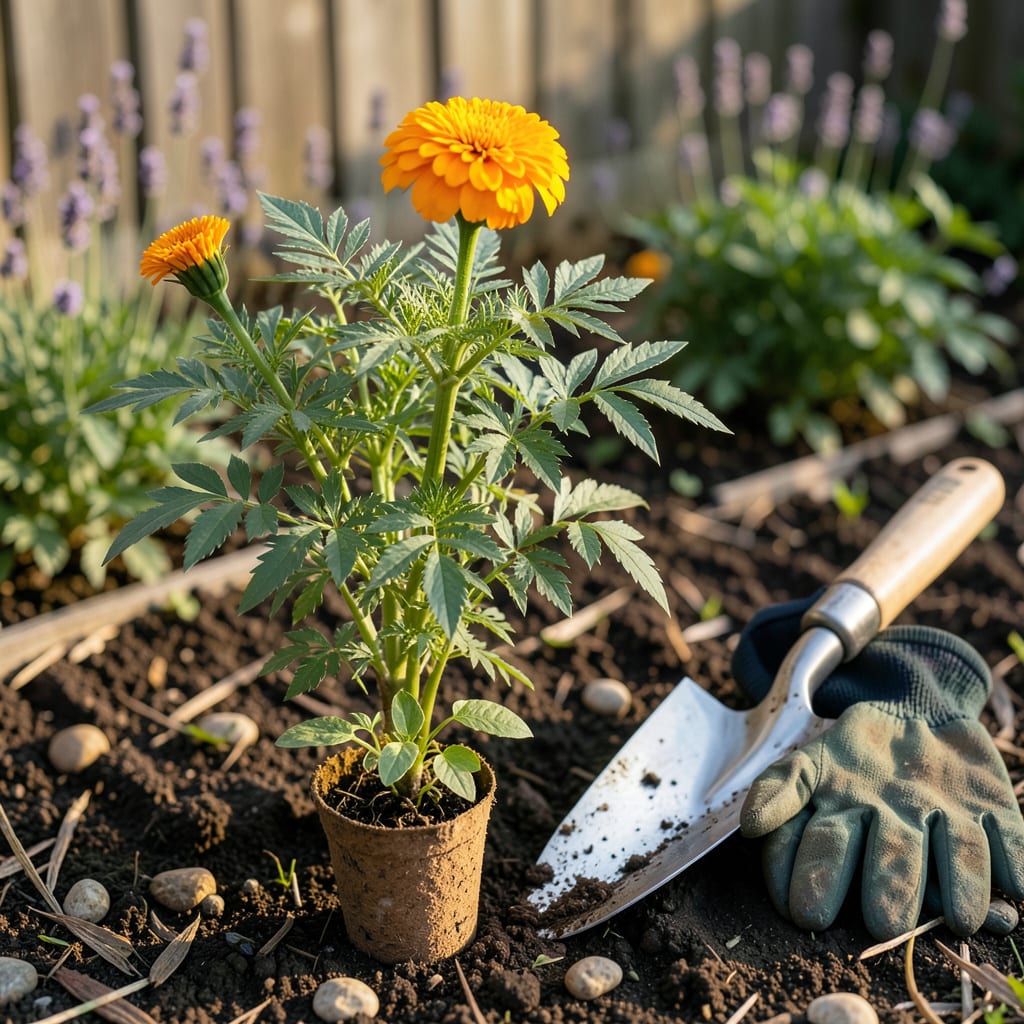
Timing can make or break your spring garden—plant those 🌱 Flowers too early, and a late frost might wipe out your hard work. Wait too long, and you’ll miss the window for those vibrant early blooms that make spring so magical.
After years of trial and error in my own garden, I’ve nailed down the best moments to get those seeds and seedlings in the ground. Whether you’re in a chilly Zone 3 or a milder Zone 8, I’ll help you pinpoint the perfect time to ensure your garden explodes with color when it matters most.
If you’ve ever wondered why your neighbor’s garden bursts with color while yours struggles, the secret often lies in perfect timing. Spring planting isn’t one-size-fits-all—your USDA hardiness zone dictates when soil is warm enough and frost risks have passed. I’ll break down the ideal windows so you can plant with confidence.
For most gardeners, the magic happens after the last spring frost, but that date varies dramatically. In Zone 3, you might wait until late May, while Zone 9 gardeners can start in February. Soil temperature matters too—aim for 50–60°F for most annuals and perennials. Let’s dig into the specifics.
| Zone | Planting Window | Last Frost Date | Best Flowers |
|---|---|---|---|
| 3–4 | Late May–June | May 15–30 | Pansies, snapdragons, cold-hardy annuals |
| 5–6 | Mid-April–May | April 1–15 | Tulips, daffodils, petunias |
| 7–8 | March–April | March 15–30 | Marigolds, zinnias, heat-loving annuals |
| 9–10 | February–March | Jan 30–Feb 15 | Geraniums, cosmos, drought-tolerant perennials |
*Adjust dates by 1–2 weeks for urban heat islands or rural valleys.
Not sure which zone you’re in? Use the USDA’s interactive map to pinpoint your location. Pro tip: If you’re in a microclimate (like a city or near a lake), your planting window might shift earlier by a week or two. Always check soil temperature with a thermometer—it’s more reliable than air temps!
For early spring bloomers like pansies or violas, you can often plant 4–6 weeks before your last frost date. These cold-tolerant flowers thrive in 40–50°F soil and even handle light frosts. Just be ready to cover them with frost cloth if a hard freeze is forecasted.
Mid-spring plantings (think petunias, marigolds) need warmer soil—55°F+. Wait until after your last frost date, then give them a boost with compost-rich soil. I like to mix in a slow-release fertilizer at planting time for longer-lasting blooms.
If you’re planting bulbs like tulips or daffodils, get them in the ground as soon as soil is workable in early spring. They need time to establish roots before summer heat. For tender annuals (zinnias, cosmos), wait until nights stay above 50°F—usually late spring.
Remember, container gardens warm up faster than in-ground beds, so you can plant them 1–2 weeks earlier. Use a soil thermometer to take the guesswork out of timing. When in doubt, err on the side of waiting—late plantings often catch up faster than frost-damaged ones!
Still unsure? Try the “finger test”: Stick your finger 2 inches into the soil. If it feels cool but not cold, it’s go time for hardy flowers. For tender plants, wait until it feels warm to the touch. Happy planting! 🌷
Even with perfect timing, small oversights can derail your spring flower garden. I’ve seen beautiful blooms ruined by avoidable errors—like planting too deep or skipping soil prep. Let’s tackle the top 5 mistakes that sabotage new gardeners (and how to fix them).
First up: ignoring your last frost date. Planting tender annuals like petunias or zinnias before the last frost is like rolling the dice. Even if daytime temps rise, nighttime chills can stunt growth or kill seedlings. Always check your local frost dates—they’re your planting compass.
*Bonus: Mulch after planting to retain moisture and suppress weeds! 🌿
Another biggie: poor soil prep. Flowers need loose, nutrient-rich soil to thrive. If your soil is compacted or sandy, roots struggle to spread. I always test soil drainage by digging a 1-foot hole, filling it with water, and timing how long it takes to drain. Ideal? 1–2 hours. Too fast or slow? Amend with compost or perlite.
Overwatering is a silent killer. New plants need moisture, but soggy soil causes rot. Stick your finger 1–2 inches deep—if it’s damp, hold off. For containers, ensure pots have drainage holes and use a well-draining potting mix. I lost a flat of marigolds to root rot once—lesson learned!
Here’s a mistake I see often: planting at the wrong depth. Bury stems too deep, and they suffocate; too shallow, and roots dry out. The rule? Plant at the same depth as the nursery pot. For bulbs like tulips, dig 3x deeper than the bulb’s height. A quick measurement saves weeks of frustration.
Finally, don’t forget to harden off seedlings! Moving plants straight from indoors to the garden shocks them. Start with 1–2 hours of shade daily, gradually increasing sun and wind exposure over a week. Skipping this step can cause wilted leaves or stunted growth—trust me, it’s worth the extra time.
Pro tip: Keep a garden journal to track what works (and what doesn’t) each year. Note planting dates, weather quirks, and bloom times. Over time, you’ll create a customized planting calendar tailored to your microclimate. Now go plant with confidence—your flowers will thank you! 🌻
Want a garden that bursts with color fast? Choosing the right flowers for your spring window makes all the difference. Early spring calls for cold-hardy bloomers like pansies and snapdragons, while late spring is perfect for heat-lovers like zinnias and cosmos. I’ll share my go-to picks for each season.
For early spring planting (as soon as soil is workable), focus on flowers that thrive in cool temps. Pansies, violas, and sweet alyssum can handle light frosts and even bloom in 40°F soil. These tough plants give you color while you wait for warmer weather. Snapdragons and calendula are also stars—they grow quickly and attract pollinators early.
*Tip: Deadhead spent blooms weekly to encourage more flowers! ✂️
If you’re planting in late spring, shift to heat-tolerant varieties. Zinnias and cosmos grow like weeds in warm soil and bloom in 60–70 days. For vertical interest, add sunflowers—they sprout in days and reach skyward fast. Don’t forget drought-resistant options like portulaca or gazania for hot, dry spots.
For continuous color, layer early, mid, and late bloomers. Start with pansies in March (or your Zone’s equivalent), add petunias in April, then finish with zinnias in May. This staggered approach keeps your garden vibrant for months. I also tuck in fast-growing annuals like nasturtiums—they bloom in 50 days and edible too!
Pro tip: Use transplants for instant gratification. While seeds are cheaper, nursery-grown plants like geraniums or impatiens give you blooms weeks sooner. Just harden them off first! For seeds, soak larger ones (like sunflowers) overnight to speed up germination. With the right picks, you’ll have a colorful oasis in no time. 🌻
Check your USDA hardiness zone on the USDA website, then search for “last frost date [your city].” Most regions have averages like April 15 for Zone 6 or March 1 for Zone 8. Local extension offices often provide hyper-local data too.
Yes, but only cold-hardy varieties like pansies, snapdragons, or violas. These tolerate 40°F soil and light frosts. Tender annuals (petunias, zinnias) need warmer soil—wait until after your last frost date to avoid damage.
Cover garden beds with black plastic for 2-3 weeks before planting to trap heat. Raised beds warm faster than in-ground soil. In containers, use dark-colored pots and place them in full sun. A soil thermometer ensures accuracy.
For instant color, buy nursery transplants—they bloom weeks sooner. Seeds are cheaper but require 6-8 weeks of indoor care. Try both: start seeds for late bloomers (zinnias) and buy transplants for early color (pansies).
Cover plants with frost cloth (not plastic) overnight, securing edges with rocks. Water soil before sunset—moist ground retains heat. For containers, move them to a garage or porch until morning. Remove covers by 10 AM to prevent overheating.
