
Beautiful Plants For Your Interior
Beautiful Plants For Your Interior
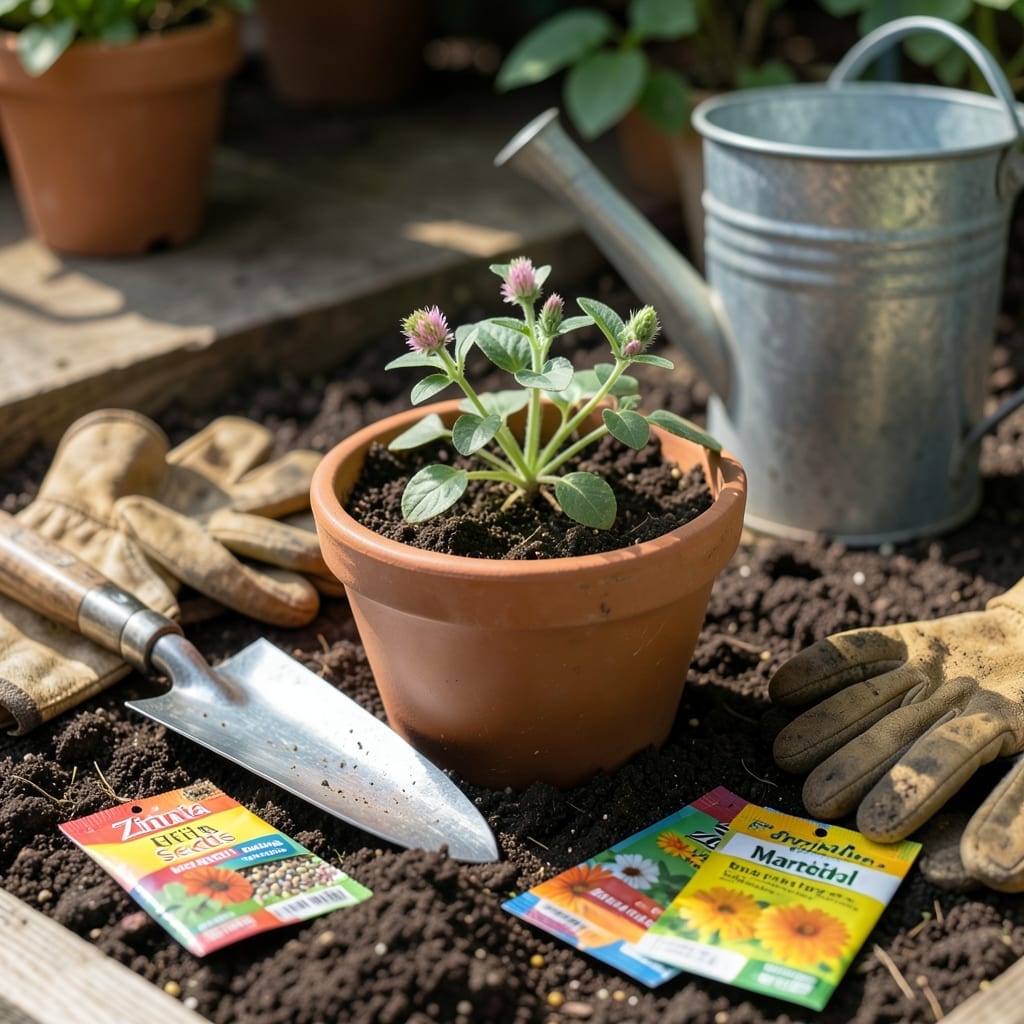
Timing is everything when planting the 🌸 Flower in Colorado—get it right, and you’ll enjoy vibrant blooms all season long. Get it wrong, and harsh weather or frost could ruin your garden.
I’ve learned that Colorado’s 5b-7a zones demand precision. Plant too early, and a late freeze might wipe out your hard work. Wait too long, and summer heat could stress your plants before they establish.
There’s a sweet spot between April and June that works for most varieties. But the exact window depends on your specific location and the type of Flower you’re growing.
Let me walk you through how to nail the timing for your area. You’ll discover the simple tricks that make all the difference between a struggling garden and one that bursts with color.
Colorado’s diverse USDA zones 3-7 create unique challenges for flower planting. I’ve found that understanding your specific zone’s frost dates is the key to success in this state’s unpredictable climate.
The Front Range (zone 5b-6a) typically sees its last frost around May 15, while mountain areas (zone 3-4) may not be frost-free until early June. This variation means your planting window can shift by weeks.
| Zone | Last Frost | Planting Window | Best Flowers |
|---|---|---|---|
| 3-4 | June 1 | June-August | Alpine perennials |
| 5a-5b | May 15-30 | May-July | Columbines, delphiniums |
| 6a-6b | May 1-15 | April-June | Daylilies, coneflowers |
| 7a | April 15-30 | March-May | Zinnias, cosmos |
For annual flowers, I recommend waiting until soil temps reach at least 50°F. In zone 5, this usually happens in mid-May, but I always check with a soil thermometer to be sure.
Perennial flowers can often go in earlier—some hardy varieties like bleeding hearts or peony can be planted as soon as the ground is workable in early spring.
Bulbs are a different story. Spring-blooming bulbs like tulips need to go in the previous fall—around September to October—so they can establish roots before winter.
In higher elevations, the growing season is shorter. I’ve had success with fast-maturing varieties like nasturtiums and sweet alyssum that can handle cooler temperatures.
The Western Slope (zone 6-7) has a longer season. Here, I start warm-season annuals like petunias and marigolds in late April under cover, then transplant after frost danger passes.
Remember that microclimates matter. A south-facing wall or urban heat island can create pockets where you can plant 2-3 weeks earlier than the general zone recommendation.
I always keep a garden journal to track my planting dates and first bloom times. This helps me refine my timing each year based on my specific location’s patterns. 🌷
Colorado’s unique climate lets you grow flowers nearly year-round if you pick the right varieties. I’ve had great success with early spring bulbs like tulips and daffodils, planted in fall for March blooms
For summer color, annuals like zinnias and marigolds thrive when started after the last frost—usually mid-May. Perennials such as coneflowers and black-eyed Susans establish well in late spring or early summer
Fall planting is often overlooked, but it’s perfect for perennial flowers. I plant mums and asters in late August for stunning autumn color. They establish roots before winter and return bigger each year
For extended blooms, try succession planting. I sow new cosmos seeds every 2 weeks from May through July. This keeps fresh flowers appearing as older ones fade, giving my garden continuous color
Don’t forget native wildflowers like blanket flower and Rocky Mountain penstemon. These thrive in Colorado’s conditions with minimal care and provide essential pollinator support ☀️
Remember that elevation affects timing. In higher areas, wait until June to plant warm-season flowers. At lower elevations, you can often start 2-3 weeks earlier with proper frost protection
With the right timing, you’ll enjoy a colorful garden from early spring through late fall. I’ve found that keeping a garden journal helps track what works best in your specific microclimate 🌱