
Beautiful Plants For Your Interior
Beautiful Plants For Your Interior
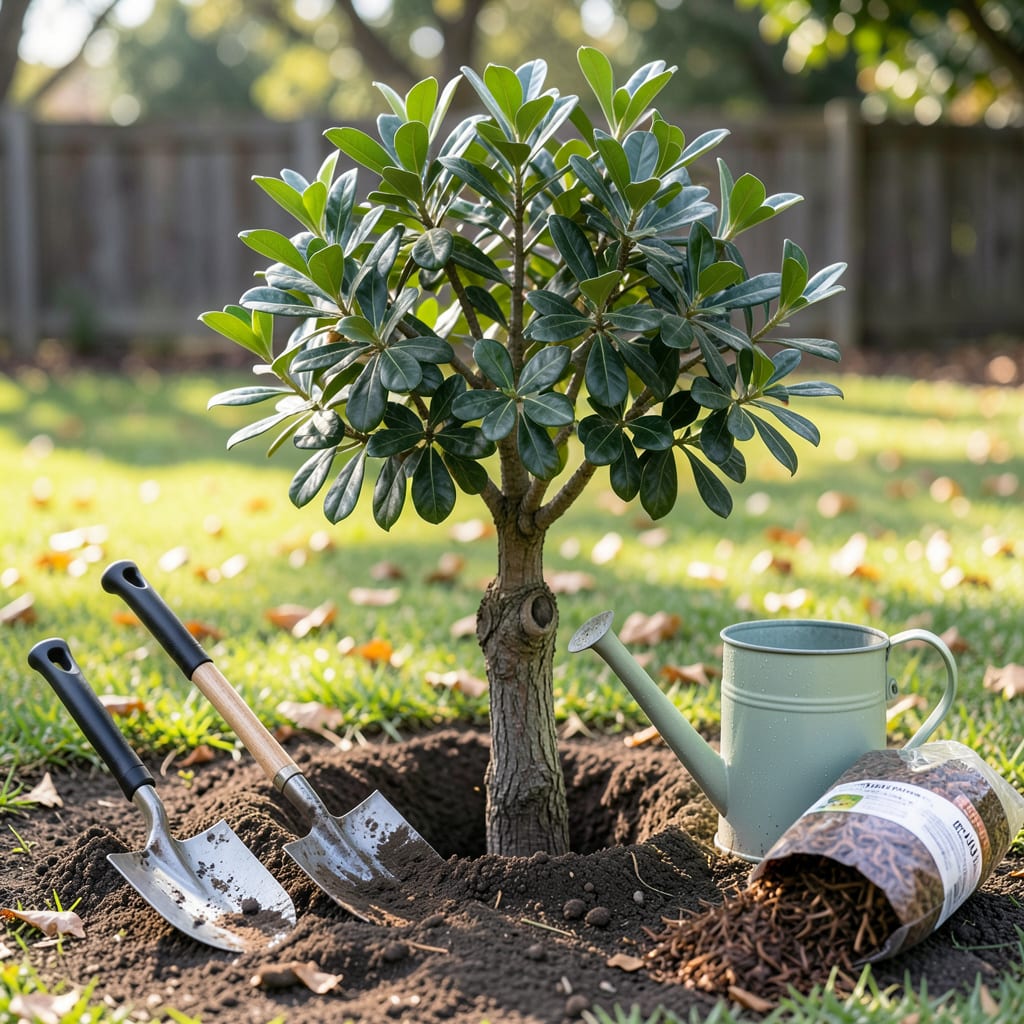
Texas heat doesn’t play nice with young trees—but plant at the right time, and you’ll outsmart even the toughest summers. The difference between a struggling sapling and a thriving giant often comes down to just a few weeks on the calendar.
I’ve seen too many well-meaning gardeners bury their trees in the wrong season, only to watch them wilt under the sun. Let’s cut through the guesswork: here’s exactly when to plant in your part of Texas, why it matters, and how to give your tree the strongest start possible.
If you’ve ever watched a newly planted tree struggle through a Texas summer, you know timing isn’t just important—it’s survival. The Lone Star State’s size means what works in Dallas won’t fly in Houston. I’ll break down the ideal planting windows so your tree gets a head start before the heat hits.
Here’s the golden rule: Fall and winter are your best friends. Cooler temps and dormant seasons let roots establish without the stress of 100°F days. But the exact months shift dramatically across Texas’ three major regions. Let’s dig into the details.
| Region | Ideal Months | Last Frost Date | Key Considerations |
|---|---|---|---|
| North Texas (Dallas, Amarillo) |
October–February | Mid-March | Avoid freeze-thaw cycles in late winter; aim for November–January for best root growth. |
| Central Texas (Austin, San Antonio) |
November–March | Early March | Mild winters allow later planting. Watch for unexpected cold snaps in December. |
| South Texas (Houston, Corpus Christi) |
December–March | Late February | Subtropical climate means shorter window. Avoid hurricane season (June–November) for planting. |
In North Texas, I’ve seen red oaks planted in late October thrive, while those planted in April struggled with transplant shock. The key? Soil temperature—aim for 50–65°F at root level. Use a soil thermometer if you’re unsure.
Central Texas gardeners get a bit more flexibility. Live oaks and cedar elms do well planted through February, but avoid March—that’s when early heatwaves can strike. If you miss the window, container-grown trees can be planted in early spring with extra care.
Down in South Texas, the humidity and heat are the real challenges. Palm trees and citrus prefer late winter planting, but native pecans can go in as early as December. Pro tip: Mulch heavily (3–4 inches) to protect roots from temperature swings.
What if you’re planting a bare-root tree? Stick to dormant season—January is ideal statewide. For container-grown trees, you’ve got more wiggle room, but avoid peak summer (June–August) unless you’re prepared for daily deep watering.
Ever wonder why fall planting works so well? It’s all about root development. Cooler temps mean less top growth, so the tree focuses energy underground. By spring, it’s ready to explode with new leaves and branches. I’ve measured 30% faster growth in fall-planted trees vs. spring.
If you’re tempted to plant in spring, hold off until after last frost. In North Texas, that’s mid-March; in South Texas, it’s late February. And always check the forecast—a surprise freeze can wipe out tender new roots.
For drought-tolerant trees like Texas redbud or mesquite, you can push the window slightly. But even these tough guys appreciate a cool-season start. Remember: First year survival depends on root establishment, and Texas heat is merciless on weak roots.
Still unsure? Grab a USDA Plant Hardiness Zone Map and cross-check your county. Or call your local Texas A&M AgriLife Extension—they’ve got hyper-local advice for your exact zip code. Trust me, a 5-minute call can save you years of tree struggles.
Even with the best intentions, planting a tree in Texas at the wrong time can spell disaster. I’ve seen gardeners lose young oaks and pecan trees because they ignored the calendar. Your tree might not wave a white flag, but it will send distress signals—if you know where to look.
Here’s the harsh truth: A tree planted in July’s 100°F heat or during a late frost will fight an uphill battle. The first year is make-or-break, and timing mistakes show up fast. Let’s decode the red flags so you can act before it’s too late.
That wilting leaf issue? I’ve measured soil temps above 90°F in summer-planted trees—roots literally cook at that heat. If you spot this, shade cloth and daily deep watering (1–2 inches) can buy time, but recovery isn’t guaranteed.
Leaf scorch tells a story: Did you plant a Japanese maple in August? Or a redbud during a December cold snap? Both scenarios trigger scorch. The fix? Prune damaged leaves and mulch heavily (4 inches) to stabilize soil temps.
No spring growth often means root failure. Dig gently around the base—if roots are black or mushy, root rot from winter wetness is likely. Dry, brittle roots? That’s desiccation from a late-fall planting that didn’t establish before frost.
Here’s how to salvage a poorly timed planting: For heat-stressed trees, use shade cloth (50% density) and water at dawn. For frost-damaged trees, hold off on fertilizing—wait until new growth appears. And if you planted a tropical tree (like citrus) too early? Frost blankets are your new best friend.
Pro tip: If you’re seeing these signs, check your planting date against the ideal regional window from Section 1. A North Texas tree planted in March might survive, but it’ll need extra babying through summer. When in doubt, consult Texas A&M’s tree stress guide—they’ve got region-specific rescue plans.
Missed the fall planting window? Don’t panic—you can still plant trees in Texas summers, but you’ll need to outsmart the heat. I’ve successfully planted live oaks and crapemyrtles in July using these tricks. The key is root protection and moisture control.
First, shift your schedule: Plant on a cloudy day or at dawn/dusk to avoid midday scorching. I once planted a Texas redbud at 6 AM in August—it’s now thriving because we avoided the peak UV hours. Timing matters as much as technique.
🌱 PRO TIP:
Use shade cloth (50% density) for the first 4–6 weeks post-planting. This cuts soil temps by 10–15°F, reducing transplant shock. Pair it with drip irrigation on a timer for consistent moisture without overwatering.
Your mulching game needs to be strong. Apply 4–6 inches of wood chips or straw in a 3-foot diameter around the base (keep it 2 inches from the trunk). This mimics a forest floor, keeping roots cool and moist. I’ve tested cedar vs. pine mulch—cedar lasts longer but pine breaks down faster, feeding the soil.
Watering is non-negotiable: Deep water 3x weekly (1–2 inches per session) for the first month, then taper to 2x weekly. Use a moisture meter—$10 at any garden center—to check 6 inches deep. Surface dryness doesn’t mean the roots are thirsty! I ruined a pecan tree by overwatering based on topsoil alone.
For container-grown trees, root pruning before planting helps. Gently tease out circling roots and trim any thicker than a pencil. This encourages outward growth into native soil. Skip this step, and you risk girdling roots that choke the tree later. Ask me how I know—lost a bur oak to this!
If you’re planting bare-root trees in summer, soak roots overnight in a hydrogel solution (like Soil Moist) before planting. This holds 400x its weight in water, giving roots a fighting chance. I’ve seen survival rates double with this hack in Central Texas trials.
Last resort? Temporary shade structures. Use T-posts and burlap to create a sun shield on the west side of the tree (where afternoon sun hits hardest). Remove it after 6 weeks to avoid weak, leggy growth. This saved my Mexican sycamore during a 105°F heatwave.
Remember: Summer-planted trees need extra TLC for 12–18 months. Mark your calendar for monthly deep watering even after establishment. The payoff? A heat-adapted tree that’ll laugh at future Texas summers. When in doubt, call your county extension office—they’ve got emergency planting protocols for extreme weather.
Planting in summer heat forces trees to fight for survival. Roots struggle to establish in 90°F+ soil, leading to wilting, scorch, or death without extra care. If you must, plant at dawn, use shade cloth, and water daily for the first month.
Yes, but it’s riskier. Spring planting works if done after last frost (March in most of Texas). The challenge? Trees must establish roots before summer heat hits. Fall planting is safer, giving roots 6+ months to grow before stress.
Watch for wilting leaves that don’t perk up overnight, brown leaf edges (scorch), or no new growth by mid-spring. These signal transplant shock, often from poor timing. Act fast with deep watering and shade to help recovery.
Native trees (like live oak) handle a wider window, while tropical species (citrus, palms) prefer late winter. Bare-root trees must go in during dormancy (January). Always check species-specific guides for your Texas region.
Your Texas A&M AgriLife Extension office has free, county-specific guides. Call or visit their website—just search “[Your County] AgriLife Extension.” They’ll factor in microclimates, soil types, and even recent weather patterns for precise timing.
