
Beautiful Plants For Your Interior
Beautiful Plants For Your Interior
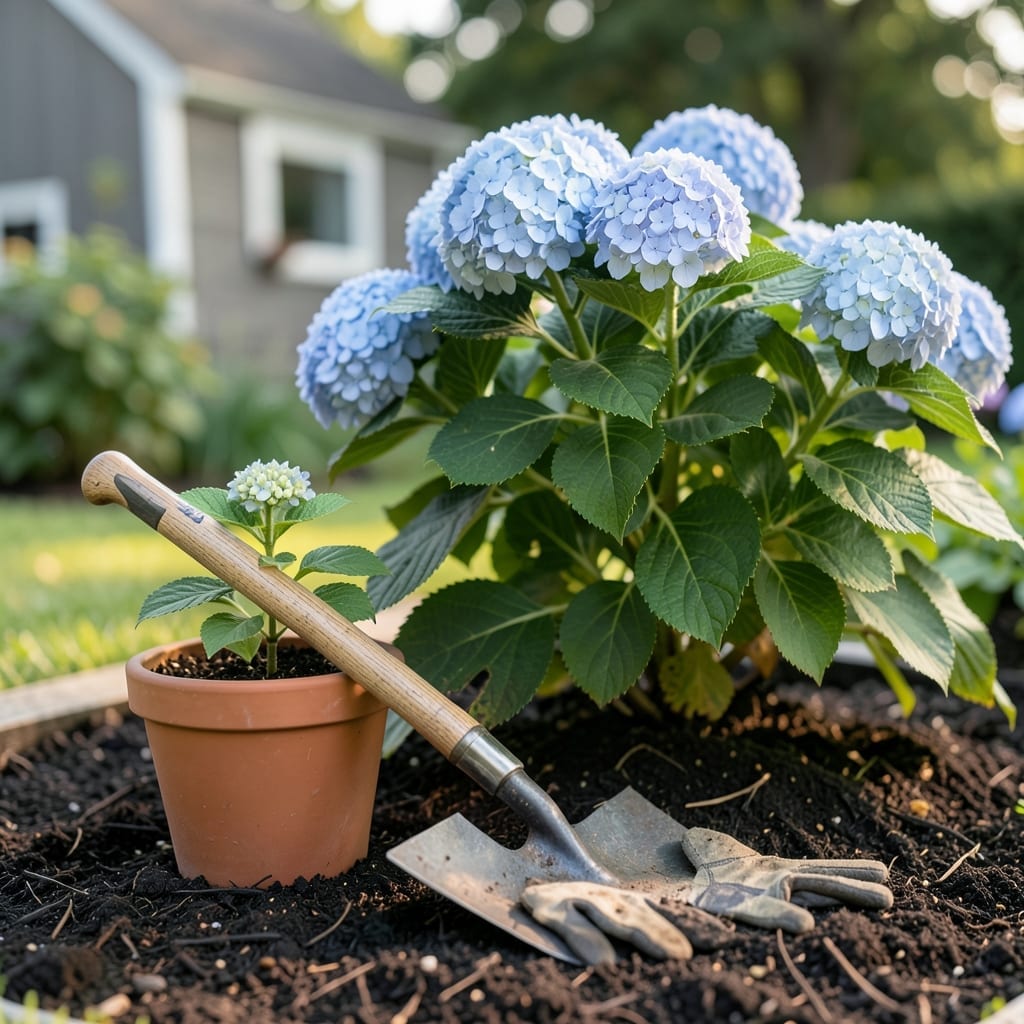
Timing is everything when planting Hydrangeas—get it wrong, and you risk weak growth or winter damage. I’ve learned the hard way that this beautiful shrub needs just the right conditions to thrive.
Whether you’re a seasoned gardener or just starting out, knowing when to plant can make all the difference. The 🌸 Hydrangea isn’t just about beauty; it’s about timing your efforts for the best results.
Discover the prime windows for planting that ensure your shrubs establish strong roots and bloom vibrantly. Let me show you how to get it right the first time.
I’ve found that Hydrangeas thrive best when planted during two key windows: early spring or early fall. These seasons give the roots time to establish before extreme weather hits.
In spring, aim for April to May, after the last frost. This timing allows your shrub to settle in before the summer heat. Fall planting, ideally September to October, lets roots grow before winter dormancy.
| Season | Pros | Cons |
|---|---|---|
| Spring | Warm soil aids root growth | Heat stress if planted too late |
| Fall | Cooler temps reduce transplant shock | Winter dieback risk in cold zones |
For spring planting, ensure soil temperatures reach at least 50°F. This warmth encourages root development. I always check my local last frost date before digging in.
In fall, plant at least 6 weeks before the first frost. This gives roots time to anchor before winter. I’ve seen fall-planted hydrangeas burst with blooms the next spring.
Avoid summer planting—the heat stresses young shrubs. Winter planting is also risky, as frozen ground prevents root establishment. Stick to the shoulder seasons for best results.
In warmer climates (USDA zones 7-9), fall planting often works better. Cooler temps and autumn rains help roots spread. For cold climates (zones 3-5), spring is safer.
I always mulch heavily after fall planting to insulate roots. In spring, I focus on consistent watering to combat drying winds. Both seasons require well-draining soil to prevent rot.
Remember, container-grown hydrangeas can be planted anytime during the growing season. Just avoid extreme heat or cold snaps. Bare-root plants, however, do best in early spring.
No matter the season, morning sun and afternoon shade are ideal. I’ve noticed my hydrangeas bloom most vibrantly with this light exposure. Test your soil pH too—most prefer slightly acidic conditions.
Planting hydrangeas correctly starts with picking the right location. I always choose a spot with morning sun and afternoon shade to protect the delicate blooms from harsh light.
First, test your soil—hydrangeas prefer slightly acidic conditions (pH 5.2-6.2). If needed, amend with compost or peat moss to create the perfect foundation.
In cooler climates (zones 3-5), I recommend planting in early spring to give roots a full growing season. For warmer zones (7-9), fall planting works well with milder winters.
After planting, water thoroughly—about 1 inch per week. I’ve found that drip irrigation works best to keep moisture consistent without wetting the foliage.
For container-grown hydrangeas, the process is similar, but I use a large pot with drainage holes. These can be planted anytime during the growing season, as long as you avoid temperature extremes.
Finally, space your plants 3-6 feet apart, depending on the variety. I always check the mature size on the plant tag to avoid overcrowding. Proper spacing ensures good airflow and reduces disease risk 🌸