
Beautiful Plants For Your Interior
Beautiful Plants For Your Interior
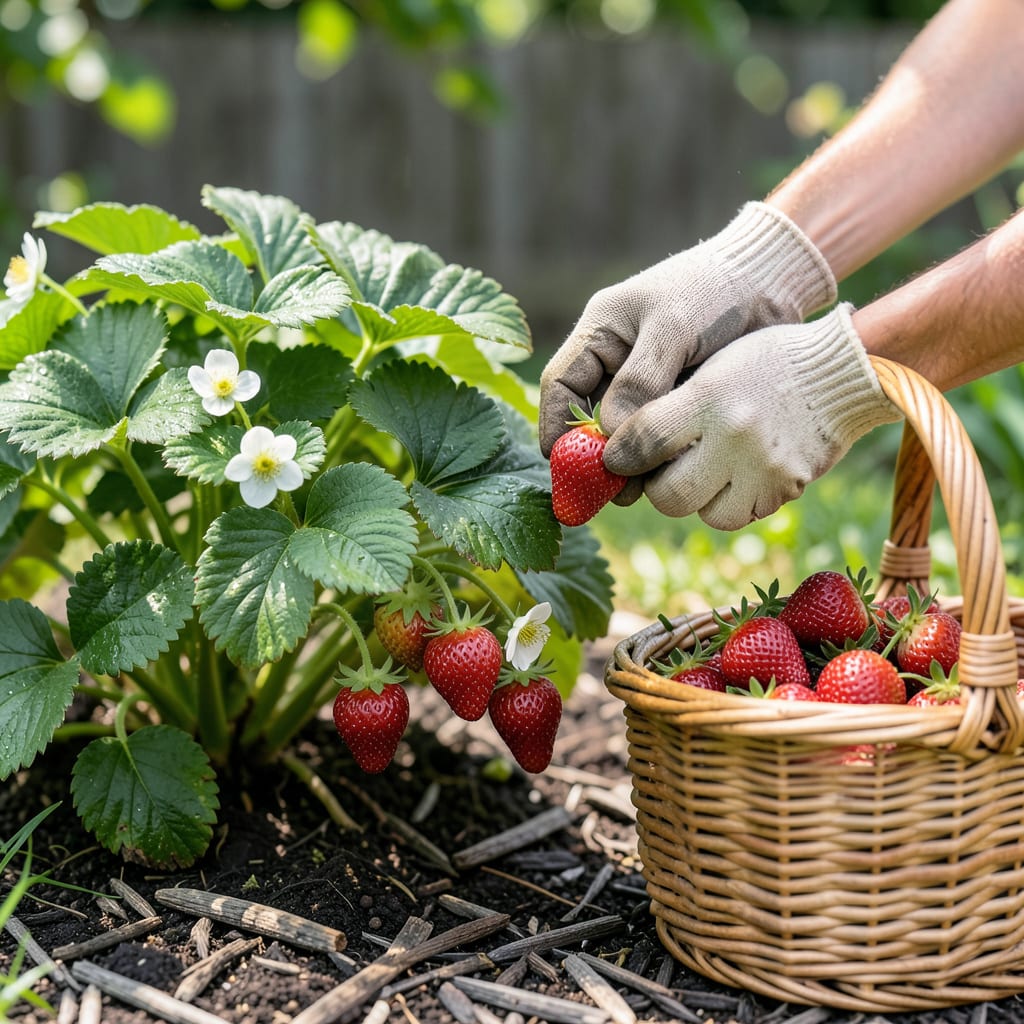
There’s nothing quite like the taste of a perfectly ripe strawberry—juicy, sweet, and bursting with flavor. But knowing exactly when to pluck those ruby-red gems from your garden can feel like guessing game.
I’ve learned it’s not just about waiting for them to turn red. The best strawberries come from watching for subtle signs—color depth, firmness, and even the time of day you harvest. Let me show you how to pick them at their peak every time.


Nothing beats the taste of a sun-ripened strawberry picked at its peak. But how do you know when they’re truly ready? Forget the old “just turn red” rule—real ripeness involves color depth, texture, and even aroma. Let’s break down the subtle signs.
First, check the color consistency. A ripe strawberry should be uniformly red from tip to stem—no white or green “shoulders” near the cap. The seeds should also stand out slightly against the flesh. This is your first visual clue they’re ready for harvest.
| Sign | Not Ready | Perfectly Ripe |
|---|---|---|
| Color | Pale pink or white patches 🟢 | Deep red all over 🟡 |
| Texture | Hard as a marble 🤏 | Firm but yields slightly 🤏 |
| Aroma | No detectable scent 👃 | Sweet fragrance at stem 👃 |
| Stem | Resists when twisted | Separates with gentle twist |
The firmness test is crucial. Gently press the berry—it should give slightly but not feel mushy. Overripe strawberries become soft and leak juice when touched. I like to call this the “Goldilocks test”: not too hard, not too soft, but just right.
Don’t ignore the stem area. A ripe strawberry’s cap (the green leafy part) should look fresh but separate easily when twisted. If it clings stubbornly, the berry needs more time. This simple test prevents you from harvesting underripe fruit.
Size matters too, but don’t be fooled—bigger isn’t always better. Strawberries reach their full size before they’re fully ripe. A medium-sized, deeply colored berry will often taste sweeter than a giant one with pale patches.
The sweet spot for flavor comes when the berry has developed its full sugar content. This happens about 4-5 days after turning white to when it reaches uniform color. I’ve found this timing produces the juiciest, most flavorful strawberries.
For everbearing varieties like ‘Albion’ or ‘Seascape’, check plants every 2-3 days during harvest season. June-bearing types like ‘Chandler’ ripen all at once—plan to pick daily when they start coloring up.
Remember that morning harvests yield the firmest berries. The cool overnight temperatures help them retain moisture and flavor. I always bring my harvest basket out with the dew still on the leaves for the best results.
If you’re growing white strawberries like ‘Pineberry’, look for a creamy ivory color with red seeds. These varieties won’t turn red but develop a tropical flavor when fully ripe. Their aroma becomes noticeably stronger when ready.
Finally, trust your senses. A perfectly ripe strawberry will have a sweet fragrance at the stem end. If it smells like nothing, it’ll likely taste like nothing too. This simple sniff test has saved me from many disappointing harvests.
Timing your strawberry harvest isn’t just about ripeness—it’s about when you pick during the day and season. I’ve found that early morning between 6-9 AM yields the firmest, juiciest berries. The cool overnight temperatures help them retain moisture and flavor.
For June-bearing varieties like ‘Chandler’, expect one massive harvest over 2-3 weeks in early summer. In USDA Zone 6, this typically falls between late May to mid-June. Everbearing types like ‘Albion’ produce smaller batches from spring through fall.
In hotter climates (Zones 8+), I recommend harvesting before 10 AM to avoid soft, heat-stressed berries. The afternoon sun can make them mushy. For day-neutral varieties, check plants every 3 days during peak production periods.
The humidity factor matters too. In damp conditions, pick berries as soon as they ripen to prevent mold. I’ve lost entire harvests by waiting “just one more day” during rainy spells. When humidity exceeds 70%, daily checks are essential.
For container-grown strawberries, watch them closely—they often ripen faster than in-ground plants. The limited root space means they’ll need more frequent watering and harvesting. I check my patio pots every 24-36 hours during harvest season.
Remember that strawberry flavor peaks when nights stay above 50°F. In cooler zones, consider using row covers to extend your season. The extra warmth helps berries develop their full sweetness before the first frost hits.
Even experienced gardeners make mistakes when harvesting strawberries. I’ve learned the hard way that timing errors and poor techniques can turn a promising harvest into a disappointment. Let’s fix the most common blunders before they ruin your berries.
The biggest mistake? Picking too early. Many gardeners see that first blush of red and can’t resist. But strawberries develop most of their sugar content in the final 24-48 hours. Wait until the berry is uniformly red from tip to stem for maximum sweetness.
Another critical error is using scissors to harvest. While it seems neat, cutting leaves stubs that can rot. Instead, pinch the stem between your fingernails about 1/4 inch above the berry and twist gently. This method keeps both plant and fruit healthy.
Many gardeners overlook the “white shoulder” myth. Some varieties naturally have lighter areas near the cap when fully ripe. The key is checking if the seeds are fully colored—if they’re still white or green, wait another day. I’ve thrown away countless berries thinking they were underripe when they just needed proper assessment.
Post-harvest handling makes or breaks your strawberries. Never wash them until ready to eat—moisture speeds up spoilage. Store unwashed berries in a single layer on paper towels in the fridge. For maximum freshness, I use ventilated containers and eat them within 3 days of picking.
Finally,
For June-bearing varieties, check daily once they start ripening. Everbearing types need checking every 2-3 days during peak production. Container plants may need daily attention since they ripen faster than in-ground berries.
Morning-harvested berries last 1-2 days longer than those picked in afternoon heat. Their firmer texture from cooler temperatures helps them resist bruising. Store unwashed in ventilated containers for maximum freshness.
June-bearing varieties produce one massive 2-3 week harvest in early summer. Everbearing types yield smaller batches from spring through fall, with peaks every 6-8 weeks. Day-neutral varieties produce continuously in moderate climates.
Only if they’re white strawberry varieties like ‘Pineberry’. For red types, wait until fully colored—partial whiteness means they’re underripe. The seeds should also be fully colored before harvesting. Patience pays off in flavor!
