
Beautiful Plants For Your Interior
Beautiful Plants For Your Interior
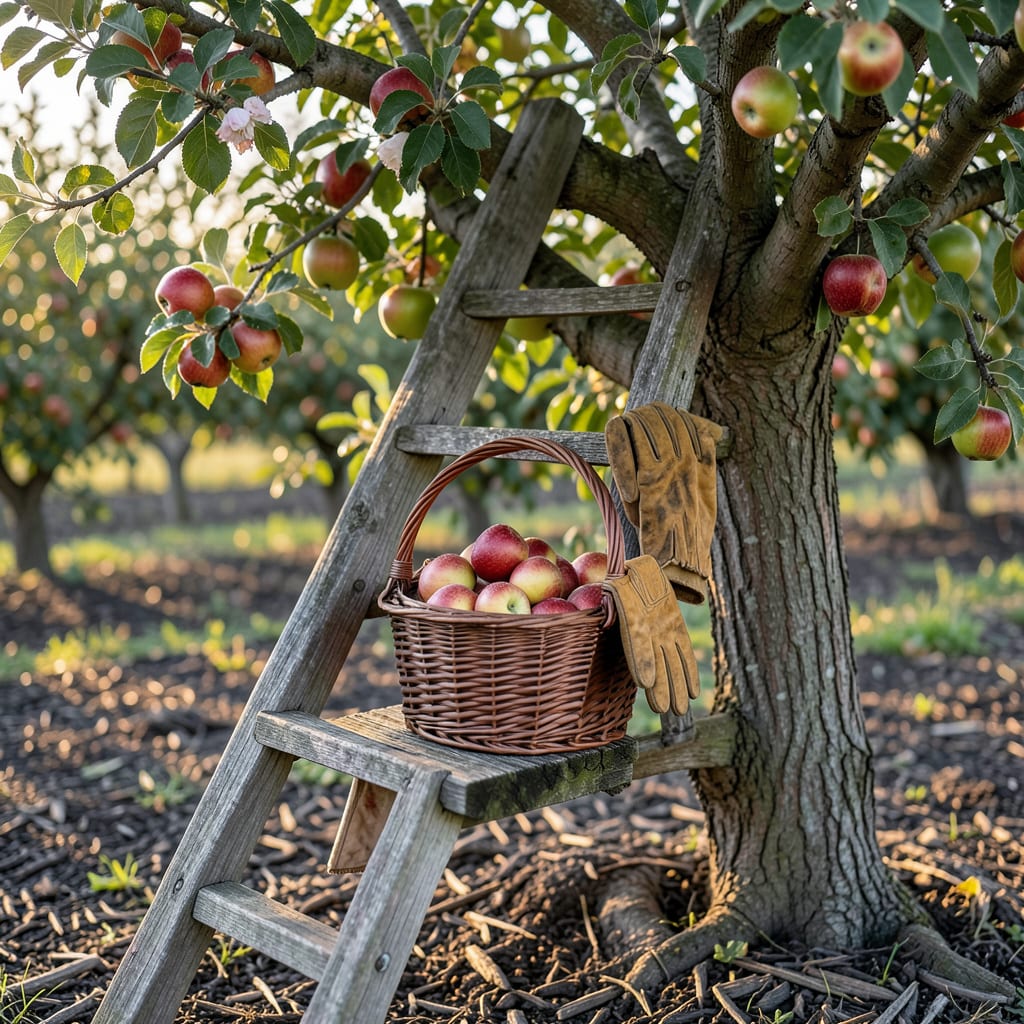
That first crisp bite of a perfectly ripe apple—sweet, juicy, and bursting with flavor—is what every grower dreams of. But timing your harvest wrong can leave you with mealy, tart fruit that falls short of expectations.
I’ve learned the hard way that picking too early or too late makes all the difference. Whether you’re harvesting from your backyard tree or a local orchard, I’ll show you the exact signs to watch for and the best seasonal window to guarantee that perfect apple every time.


Nothing beats the satisfaction of biting into a homegrown apple that’s perfectly ripe—juicy, sweet, and crisp. But how do you know when it’s truly ready? Forget the calendar; I rely on five foolproof signs that tell me an apple is at its peak, no matter the variety.
The first clue is color change. While red apples deepen to a rich hue, green varieties like Granny Smith shift from bright green to a slightly yellowish tint. But color alone isn’t enough—you’ll also want to check the stem separation and seed color for confirmation.
| Variety | Ripeness Signs | Harvest Window |
|---|---|---|
| Gala | Deep red blush, sweet aroma | Late August–early Sept |
| Fuji | Pink-red stripes, firm texture | Mid–late October |
| Granny Smith | Pale green to yellow, tart taste | Late September–October |
| Honeycrisp | Red with yellow undertones, crisp snap | Mid-September–early Oct |
The twist test is my go-to method: gently lift and twist the apple. If it separates easily with the stem intact, it’s ready. If it resists, leave it for a few more days. Another pro trick? Check the seeds—brown seeds mean full maturity, while white seeds signal it’s not quite there.
Don’t forget the taste test! Sample one apple from different parts of the tree. A ripe apple will have balanced sweetness and a slight give when pressed near the stem. If it’s still tart or rock-hard, wait a week and test again. Climate plays a role too—cooler zones delay ripening, while warmer areas speed it up.
For early-season varieties like McIntosh, watch for a softening near the stem and a shift from bright green to red. Late-season apples, such as Pink Lady, need extra time to develop their signature sweetness. I’ve found that sun-exposed fruit ripens faster, so check the tree’s south side first.
If you’re storing apples, pick them at peak firmness—just before full ripeness. They’ll continue to sweeten in storage. But for fresh eating, let them ripen fully on the tree. And here’s a bonus tip: apples stop ripening once picked, so timing is everything for that perfect crunch.
Avoid harvesting after heavy rain, as excess moisture can dilute flavor and promote rot. Instead, pick on a dry, sunny morning when the fruit is cool and firm. Use a gentle twisting motion to detach apples—never yank them—to protect next year’s spurs.
Remember, no two apple trees are identical. Even the same variety can vary by a week or two depending on soil, sunlight, and rainfall. When in doubt, taste-test daily as the harvest window approaches. That’s how I’ve mastered the art of picking apples at their absolute best.
Finally, don’t rush! Patience pays off with apples that are sweeter, crisper, and packed with flavor. And if you’ve got a bumper crop, share the extras—nothing beats the joy of fresh-picked apples with friends and neighbors.
Timing isn’t just about the month—it’s about the moment you pluck that apple. I’ve found that harvesting in the cool morning hours locks in crispness and flavor better than midday heat. The fruit stays firmer, and the natural sugars taste more concentrated after a chilly night.
But the seasonal window matters just as much. Early varieties like Gala or McIntosh ripen in late summer, while Fuji and Granny Smith need until late fall. Your USDA zone shifts this timeline—cooler climates delay ripening, while warmer areas speed it up by weeks.
If you’re in Zones 3–5, expect a later harvest—sometimes into October. But in Zones 7–9, apples often ripen by late August. I always check the 10-day forecast before picking; a sudden frost can damage fruit still on the tree.
For long-term storage, harvest apples at their peak firmness—just before full ripeness. They’ll continue sweetening in a cool, dark place. But if you’re eating them fresh, wait until they’re fully ripe on the tree for that burst of flavor.
Pro tip: Test a few apples from different branches. If the seeds are brown and the flesh is slightly soft near the stem, the whole tree is likely ready. And always use clean, sharp clippers for hard-to-reach fruit to avoid tearing the spur.
Remember, apples don’t ripen uniformly. The sun-exposed side of the tree often ripens first, so check all angles. And if you’re unsure, taste-test! A perfectly ripe apple will have balanced sweetness with just a hint of tartness.
Even experienced gardeners can ruin a perfect apple harvest with a few simple missteps. I’ve made my share of errors—like harvesting after rain or pulling apples too hard—and learned the hard way how these mistakes impact flavor and storage life.
The biggest blunder? Picking too early. Underripe apples lack sweetness and stay mealy, no matter how long you store them. Always check the seed color (brown = ripe) and do the twist test before harvesting.
Another common issue? Overripe apples. Left too long, they become soft and attract pests. If you miss the window, salvage them by turning overripe fruit into apple butter or dehydrating slices for snacks.
For late-season varieties like Fuji, don’t rush—cool nights enhance sweetness. But in warmer zones, heat can speed up ripening, so check trees daily. Always harvest into shallow baskets to prevent bruising from stacking.
Pro tip: If you accidentally pick underripe apples, store them with a ripe banana in a paper bag. The ethylene gas will speed up ripening. But remember—once picked, apples won’t get sweeter, so timing is everything for that perfect crunch.
Cut open a sample apple and check the seeds—if they’re brown, it’s ripe and sweet. You can also taste-test a few from different branches. A ripe apple will have balanced sweetness with just a hint of tartness near the skin.
Picking in the cool morning (6–9 AM) preserves crispness and flavor. Afternoon heat can make apples softer and less flavorful. Morning-harvested fruit also stores longer due to lower field heat.
Avoid harvesting wet apples—they bruise easily and rot faster in storage. Wait 24–48 hours for the fruit to dry completely. If rain is forecast, pick early to prevent moisture damage.
Use a gentle twisting motion to detach apples, keeping the stem intact. Place them in shallow containers (never piled high) and avoid dropping. Handle like eggs—carefully!
Most varieties keep for 4–6 weeks in a cool, dark place (like a root cellar). For longer storage, wrap individual apples in newspaper and refrigerate. Late-season varieties like Fuji store best.
