
Beautiful Plants For Your Interior
Beautiful Plants For Your Interior
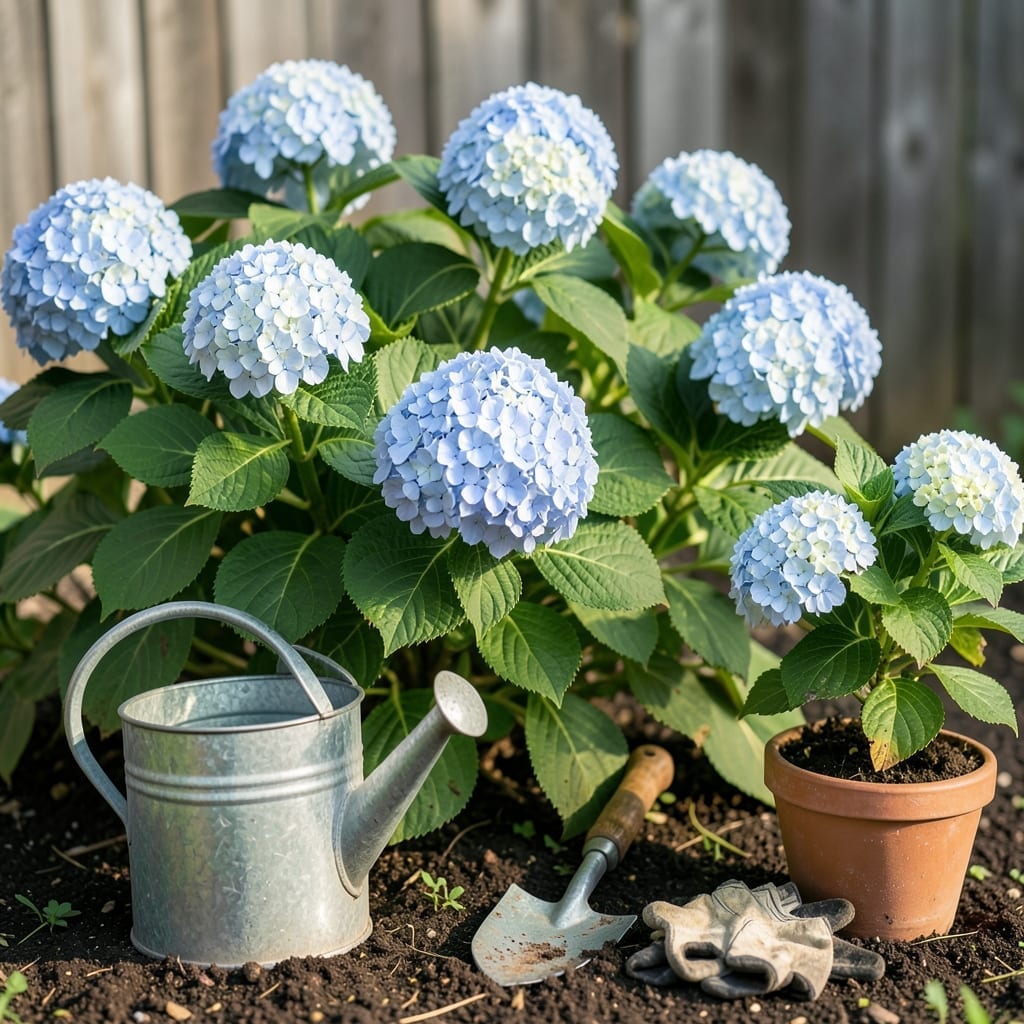
Moving your 🌸 Hydrangea at the wrong time can stress its roots and ruin next season’s blooms. It’s a common mistake that leaves gardeners wondering why their plants struggle to thrive.
I’ve learned the hard way that timing is everything when it comes to transplanting. The good news? There’s a best window to do it with minimal shock to your plant.
Discover when to make the move and how to set your Hydrangea up for success. Let’s dig into the details.
Timing your hydrangea move is critical for minimal transplant shock. I always recommend early spring or late fall as the best windows for this task. These periods allow the plant to establish roots before stress periods.
In early spring, transplant before new growth appears, typically March to April. This gives your hydrangea time to settle before summer heat. In late fall, aim for September to November, after leaves drop but before frost.
| Season | Timing | Benefits |
|---|---|---|
| Early Spring | March-April | Roots establish before summer |
| Late Fall | September-November | Avoids heat stress, prepares for dormancy |
For bigleaf hydrangeas, spring transplanting is often safer as they bloom on old wood. Moving them in fall might risk cutting off next year’s flowers if pruned incorrectly.
Panicle hydrangeas are more forgiving and can handle fall moves well. They bloom on new wood, so you won’t sacrifice next season’s blooms by transplanting in September or October.
In warmer climates (USDA zones 7-9), you might get away with a late winter move. But in colder zones (3-6), stick to early spring or early fall to avoid frost damage.
I’ve found that soil temperature matters too. Aim for 50-60°F soil temps. Too cold and roots won’t grow; too hot and the plant will stress from water loss.
If you must move a hydrangea during summer, choose a cool, cloudy day and keep it well-watered for weeks afterward. But honestly, it’s risky and I don’t recommend it.
Container-grown hydrangeas can be transplanted almost anytime, but still avoid peak summer and freezing temps. The key is minimizing root disturbance.
Remember, preparation is everything. Water your hydrangea deeply 2-3 days before moving. This reduces stress and helps the root ball stay intact when you dig it up.
After transplanting, give it a good soak and apply 2-3 inches of mulch. This keeps roots cool and retains moisture during the critical establishment period.
Transplanting a hydrangea successfully starts with proper preparation. I always begin by selecting the new location carefully, ensuring it has similar light and soil conditions to the original spot.
The new hole should be twice as wide as the root ball but no deeper. This gives roots room to spread without sinking the plant too low. I recommend amending the soil with compost for better drainage and nutrients.
When digging up your hydrangea, use a sharp spade to cut a wide circle around the plant. The root system is shallow but wide, so go out 12-18 inches from the base for mature plants.
I always keep the root ball intact as much as possible. If some roots break, don’t panic, but try to preserve at least 70% of the root system. This greatly improves the plant’s chances of surviving the move.
After placing the plant in its new home, water immediately with 1-2 gallons of water. This helps settle the soil and eliminates air pockets. Then apply a 2-3 inch layer of organic mulch to conserve moisture.
For the first 2-3 weeks, check soil moisture daily. Keep it consistently moist but not soggy. I’ve found that morning watering works best to prevent fungal issues.
Remember, your hydrangea may show transplant shock with wilting or leaf drop. This is normal. Just keep it well-hydrated and avoid fertilizing for 4-6 weeks after moving🌸