
Beautiful Plants For Your Interior
Beautiful Plants For Your Interior
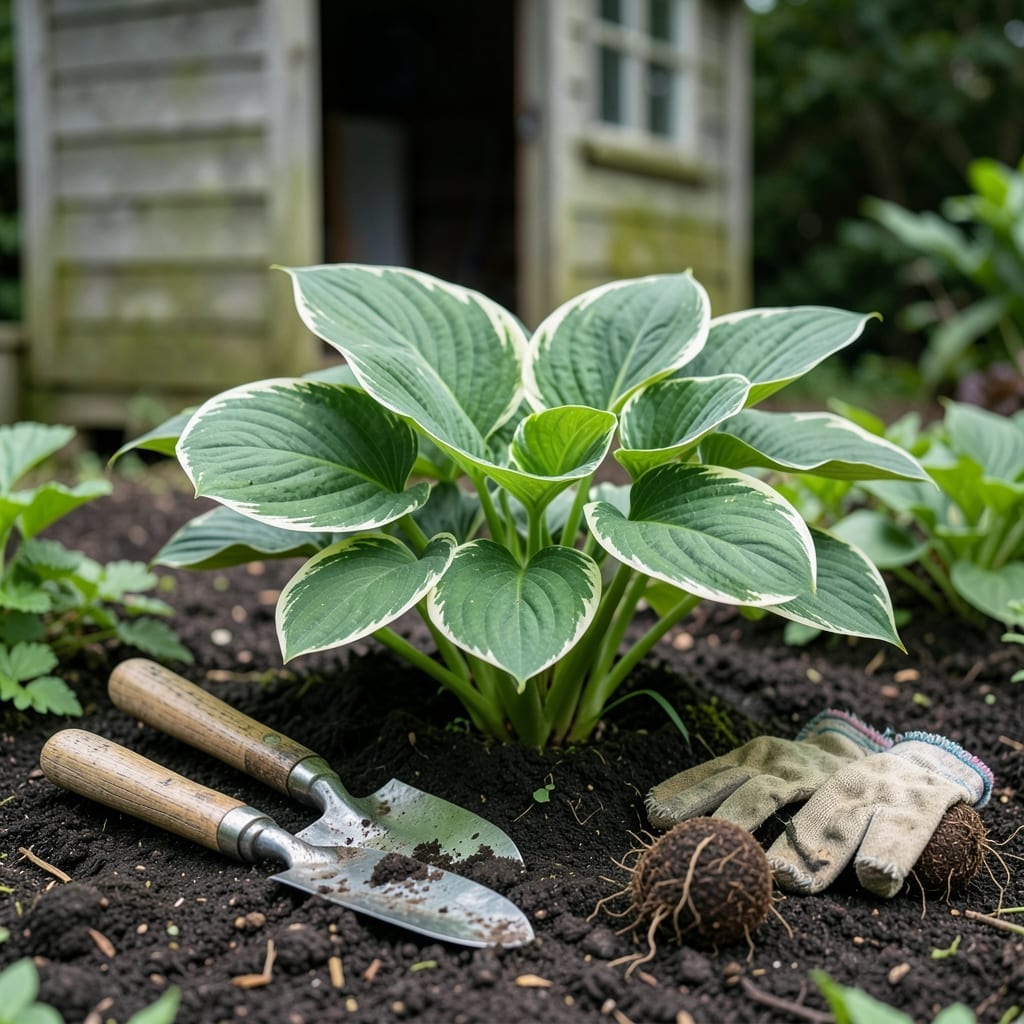
Dividing hosta plants at the right time ensures healthier growth and more vibrant foliage, but choosing between spring or fall can make all the difference.
I’ve learned that timing is the key to giving your 🌿 Hosta the best chance to thrive after division. Whether you’re a seasoned gardener or just starting out, getting this right will save you headaches.
Discover the ideal windows for division and why they matter for your plant’s recovery and future growth. Let’s get your garden ready for success.
Timing your hosta division correctly can make or break your plant’s recovery. I always recommend early spring or early fall as the optimal windows for this task.
In my experience, spring division works best when new shoots are just emerging, giving roots time to establish before summer heat. Fall division should happen 4-6 weeks before the first frost.
| Factor | Spring Division | Fall Division |
|---|---|---|
| Best Months | April-May | September-October |
| Root Growth | Quick establishment | Slower but strong |
| Weather Stress | Avoid summer heat | Avoid winter cold |
| Plant Recovery | Faster with warming soil | Good with cool temps |
| Water Needs | More frequent | Moderate |
I’ve found that spring division often results in more vigorous growth because the plant has the entire growing season to establish. The soil temperature is rising, which encourages root development.
However, fall division has its advantages too. The cooler temperatures reduce stress on the plant, and the soil typically stays more moist than in summer. This gives roots time to settle before winter.
For northern climates, I recommend completing fall division by early September to ensure roots establish before frost. In warmer zones, you might extend this to mid-October.
Avoid dividing during summer heat or when the plant is actively blooming. This stresses the hosta and can stunt its growth for the season.
I always prepare the new planting area before dividing. This means amending the soil with compost and ensuring good drainage. Your hostas will thank you with lush foliage next season.
Remember that mature hostas (3-5 years old) respond best to division. Younger plants may not have enough root mass to recover well. When in doubt, wait another year.
After dividing, keep the soil consistently moist for the first 2-3 weeks. This is critical for root establishment, whether you’re dividing in spring or fall.
With proper timing and care, your divided hostas will thrive and may even produce more blooms the following year 🌿
Dividing hostas is easier than you think if you follow the right steps. I always start by watering the plant thoroughly the day before to reduce stress and loosen the soil. This makes the root ball easier to handle.
Choose a cool, overcast day for the task. Early morning works best to minimize heat stress on both you and the plant. Gather your tools: a sharp spade, pruners, and a gardening fork for leverage.
I recommend keeping at least 3-5 shoots per division for optimal recovery. Smaller divisions may struggle to establish, while larger ones can be harder to handle and may not root as well.
When replanting, space divisions 18-24 inches apart to allow for future growth. Hostas can spread significantly over time, so giving them room prevents overcrowding.
After dividing, I always mark the new locations with small stakes. This helps me remember where I’ve planted them and avoids accidental disturbance during other garden maintenance.
Monitor your divisions daily for the first week, checking soil moisture and watching for signs of stress. Yellowing leaves are normal initially, but wilting indicates the plant needs more water.
With proper technique, your hostas will bounce back quickly and reward you with fuller, healthier plants next season ✂️