
Beautiful Plants For Your Interior
Beautiful Plants For Your Interior
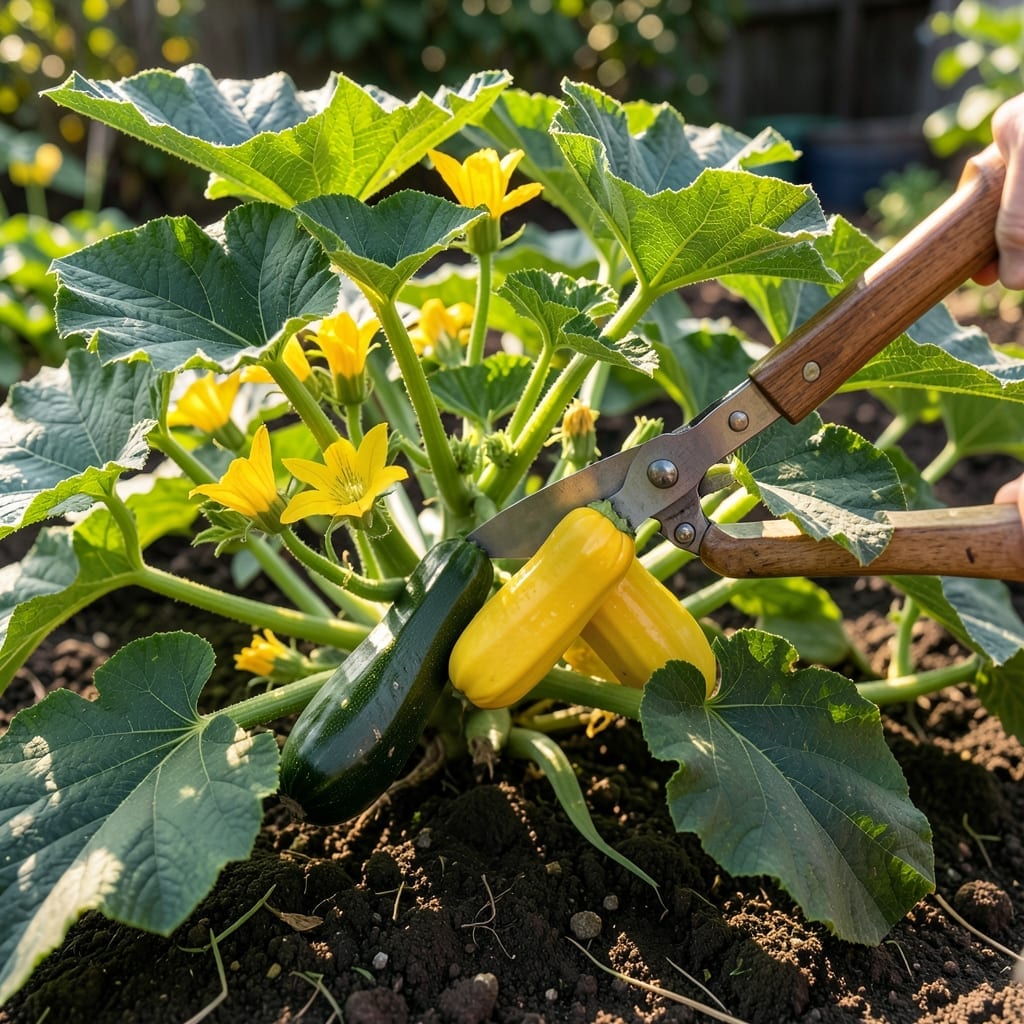
Nothing beats the satisfaction of harvesting Summer Squash 🎃 at its peak—crisp, flavorful, and ready for your kitchen. But how do you know the perfect moment to pick?
I’ve learned that timing is everything with this garden favorite. Picking too early or too late can mean the difference between a tender delight and a tough, seedy disappointment.
Discover the simple visual and tactile cues that guarantee you’ll harvest at just the right time, every time. Let’s get started.
I always check for shiny, tender skin first—it’s the most reliable sign. A glossy rind means your squash is at peak tenderness and flavor, ready to be picked.
Size matters too. For most varieties like zucchini or yellow squash, aim for 6–8 inches long. Anything larger often means the seeds are developing, making it less ideal.
Another clue is the stem condition. If it’s still moist and green, your squash is fresh and ready. A dry or brown stem often signals it’s past its prime.
Color is also a great indicator. For example, yellow squash should be a bright, consistent yellow, while zucchini should be deep green without dull patches.
I use the fingernail test for confirmation. Gently press your nail into the rind—if it leaves a mark, it’s ripe. If it doesn’t, it needs more time.☀️
Don’t overlook the firmness. A ripe summer squash should feel solid but not rock-hard. If it’s too soft, it may be overripe or damaged.
For pattypan squash, look for a firm texture and a diameter of 3–4 inches. Their unique shape makes them easy to spot when ready.
Remember, harvesting early in the day keeps the squash fresher longer. I always bring a sharp knife or pruners to avoid damaging the plant or fruit.✂️
By combining these visual and tactile cues, you’ll never miss the perfect harvest window again. It’s all about observation and a little practice.
I’ve found that harvest timing varies by summer squash variety. Most, like zucchini and yellow squash, are ready in 45–55 days after planting.
Pattypan squash often takes a bit longer, around 50–60 days. Environmental factors like temperature and watering can speed up or slow down ripening.
Warmer soil temperatures above 70°F can accelerate growth, while cooler conditions may extend the timeline. I always monitor my garden’s microclimate.
Consistent watering is key. 1–2 inches weekly keeps the soil moist but not soggy, helping squash reach maturity on schedule.💧
Overwatering or drought stress can delay ripening. I check soil moisture daily during hot spells to maintain steady growth.
If you planted in early spring, expect the first harvest by early summer. Succession planting every 2–3 weeks extends the harvest season.☀️