
Beautiful Plants For Your Interior
Beautiful Plants For Your Interior
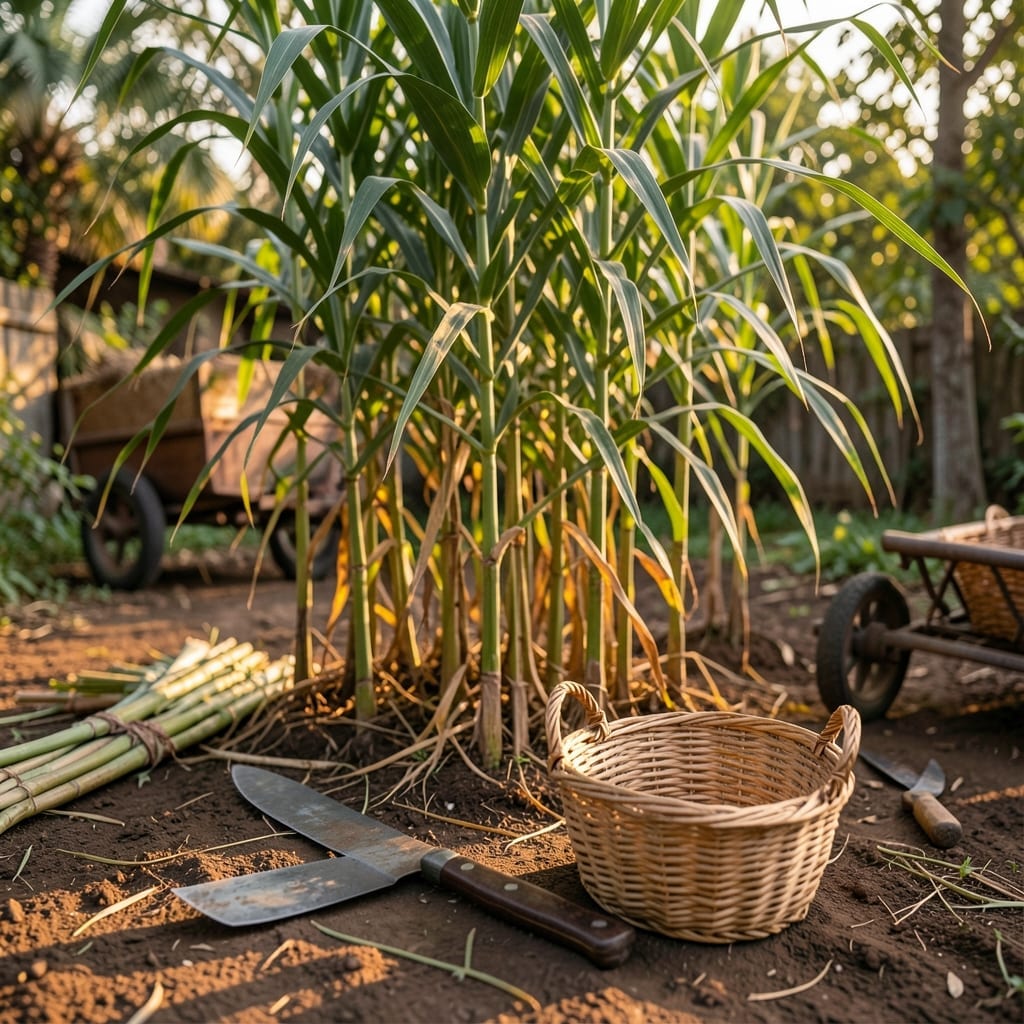
Sugarcane season varies dramatically depending on where you are—knowing the right harvest window can mean the difference between sweet, juicy stalks and underripe disappointment.
For 🌿 Sugarcane in zones 9b-11, the ideal planting window is spring, with harvest typically falling between October and December. But climate plays a huge role in timing.
Let me walk you through the key factors that determine the best time to plant and harvest this tall, tropical grass for maximum sweetness and yield.
If you’re growing sugarcane in the U.S., your harvest timing depends heavily on your climate zone. Tropical and subtropical regions allow for year-round growth, while cooler areas have a much narrower window.
I’ve found that Florida, Hawaii, and southern Louisiana can harvest almost any month, but most home growers see peak sweetness in late summer to early winter. Let’s break it down by zone. 🌿
| Climate Zone | Primary Harvest Window | Key States |
|---|---|---|
| Tropical (Zone 11) | Year-round possible | Hawaii, South Florida |
| Subtropical (Zone 9b-10) | October-December | Louisiana, Texas Gulf Coast |
| Temperate (Zone 7-8) | September-October | Southern California, Arizona |
| Cooler Climates | Not recommended | Requires greenhouse |
In tropical zones like Hawaii, sugarcane matures faster due to consistent warmth and humidity. Here, you can plant and harvest multiple times a year if conditions are right.
For subtropical areas such as Florida and Louisiana, the ideal harvest typically falls between October and December. The stalks reach peak sugar content as temperatures cool.
Temperate zones with shorter growing seasons, like parts of California or Arizona, usually see harvest in early fall. Plant in late winter to maximize the growing period.
If you’re in a cooler climate, growing sugarcane outdoors isn’t practical without protection. A greenhouse or high tunnel can extend the season, but expect slower growth.
I always remind growers that soil temperature matters just as much as air temperature. Sugarcane thrives when soil stays above 60°F consistently. Use a soil thermometer to check.
Finally, watch for frost warnings. Even a light frost can damage sugarcane stalks, reducing sugar content. In marginal zones, harvest before the first frost is forecasted.
With these zone-specific guidelines, you can time your sugarcane harvest for the sweetest, most abundant yield possible. ✂️
Timing your sugarcane harvest perfectly means watching for visual clues rather than just relying on the calendar. Even within the same zone, stalks mature at different rates based on variety and growing conditions. 🌱
I always check for physical signs first—like stalk diameter and leaf color—before pulling out my pruners. These indicators are far more reliable than guessing.
If your sugarcane stalks are still thin and spongy, they’re not ready. This is a classic sign of immature growth, and harvesting now would give you low sugar content.
Another red flag: fully green leaves with no yellowing. When the lower leaves start drying, it means the plant is redirecting energy to the stalk, boosting sweetness.
I recommend the “taste test” for absolute certainty. Cut a small section from the base of a stalk and chew it. If it’s sweet and juicy, your crop is ready. If it tastes bland or starchy, wait another week or two.
Remember, maturity time varies by sugarcane variety. Some types mature in 12 months, while others take up to 18 months. Keep records to track your plants’ progress year to year.
With these ripeness checks, you’ll never harvest too early—or too late—again. ✂️