
Beautiful Plants For Your Interior
Beautiful Plants For Your Interior
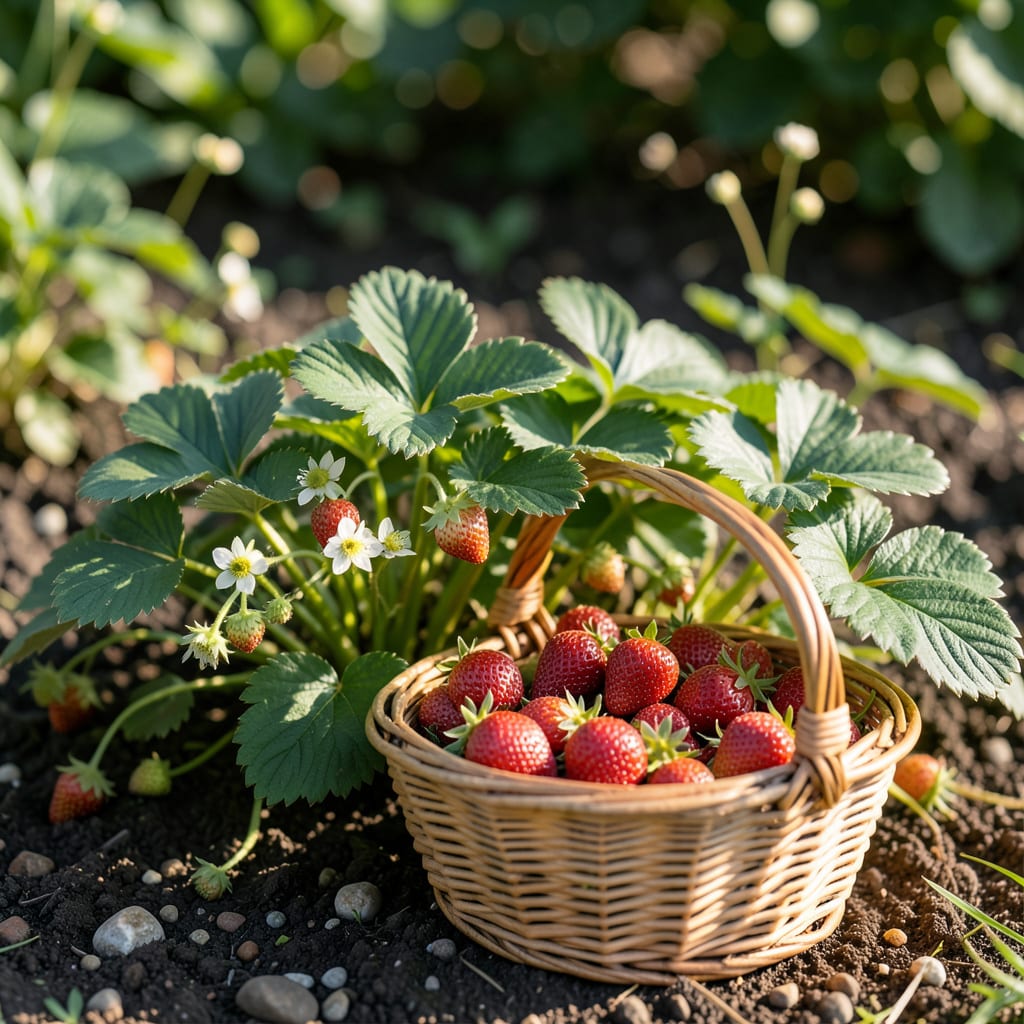
Nothing beats the taste of a fresh 🍓 Strawberry picked at its peak. But timing is everything when it comes to getting the juiciest berries.
I’ll help you understand when strawberry picking season hits in your area and what signs to look for. With these tips, you’ll always harvest the sweetest, most flavorful fruit.


The strawberry picking season varies across the US due to climate and variety. In warmer regions like Florida and California, you can start picking as early as February or March. Cooler areas see harvests later.
For most gardeners, the peak window falls between April and June. I’ve found that June-bearing varieties typically ripen all at once, while everbearing and day-neutral types produce fruit in flushes throughout the season.
| Region | Early Season | Peak Season | Late Season |
| Northeast | Late May | June | Early July |
| South | March | April | May |
| Midwest | Mid-May | Early June | Late June |
| West | April | May | June |
In the Northeast, strawberry plants often face late frosts, so the season starts in late May and peaks in June. I always check local weather forecasts to avoid picking after heavy rains, which can dilute flavor.
The Southern states enjoy an earlier start, with March being prime for the first ripe berries. Florida strawberries are particularly famous for their early harvests, often available by February in some areas.
For the Midwest, the window is slightly shorter. I’ve noticed that June-bearing strawberries here ripen quickly in early June, so timing your visits is crucial to catch the peak.
Out West, especially in California, the season can stretch from April to July. The mild climate allows for multiple harvests, and I recommend visiting U-pick farms weekly to catch new batches.
Local weather patterns can shift these timelines. A late frost might delay ripening, while a heatwave can speed it up. Always call ahead to strawberry farms to confirm availability.
For the best flavor, pick berries in the morning when they’re cool. I bring a small container to avoid crushing the fruit and check each berry for full red color and a slight give when pressed.
Remember, everbearing strawberries can produce a second crop in late summer or fall, giving you another chance to enjoy fresh berries before the season ends.
☀️Finding the perfect strawberry patch starts with knowing where to look. I always begin by searching for local U-pick farms online, as many update their seasonal availability regularly. Social media groups for gardeners are also goldmines for recommendations.
Once you’ve found a few options, call ahead to confirm their picking schedule. Some farms open early for morning harvests, while others focus on weekend crowds. I’ve learned that farms closer to urban areas often have more consistent hours.
When you arrive, look for ripe strawberries with bright red color and a slight shine. I avoid berries with white or green shoulders, as they’re not fully sweet yet. The best patches often have plenty of foliage protecting the fruit from sunburn.
Don’t forget to bring small containers or baskets to avoid crushing your haul. I prefer shallow trays over deep buckets—they prevent berries from getting squished at the bottom. A sun hat and sunscreen are musts, as most fields offer little shade.
For the freshest berries, I aim to pick on cool, dry mornings. Dew-covered strawberries are easier to spot, and the fruit stays firmer longer. If the farm allows, I’ll sample a few to test sweetness before filling my container.
Finally, ask the farm staff about their growing practices. Some use organic methods, while others may have conventional treatments. This helps me decide which berries to bring home for my family. ☀️
The key to a great strawberry picking trip is preparation. I always start by checking the weather forecast and aiming for a cool, dry morning—berries are firmer and sweeter then.
Bring shallow containers to prevent crushing, and wear comfortable shoes for walking through fields. A sun hat and sunscreen are essential, as most patches have little shade.
I look for berries that easily separate from the stem with a gentle twist. If they resist, they’re not ready. Also, sample a few to test sweetness before filling your container.
After picking, store berries in the refrigerator unwashed to preserve freshness. I wait to rinse them until just before eating to prevent spoilage. Never stack containers—this bruises the fruit.
For the best results, visit U-pick farms early in the season and return every 5-7 days for new batches. This way, you’ll enjoy the peak flavor of each harvest wave. ☀️
Pick in the early morning when berries are cool and firm. This ensures maximum sweetness and prevents spoilage. Avoid midday heat, which can soften fruit too quickly.
Look for full red color with no white or green patches. Ripe berries will separate easily with a gentle twist and have a sweet aroma.
Use shallow containers to avoid crushing berries. Wear comfortable shoes, a sun hat, and sunscreen. Bring water and a camera for the scenic fields!
Avoid picking immediately after rain, as berries absorb excess water and may split. Wait for dry conditions to ensure the best flavor and texture.
