
Beautiful Plants For Your Interior
Beautiful Plants For Your Interior
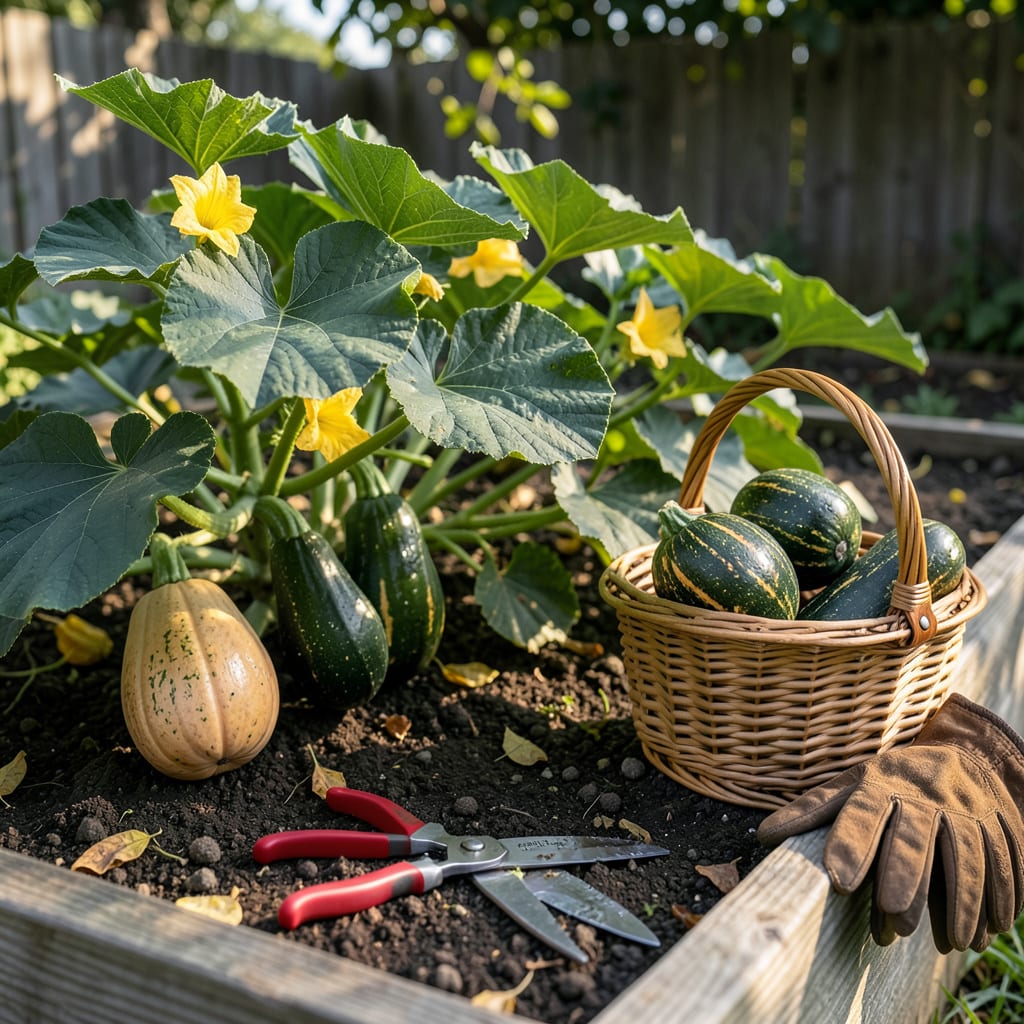
There’s nothing worse than cutting into a squash you’ve nurtured for weeks, only to find it underripe or past its prime. That perfect moment between tender and tough is what separates a mediocre harvest from an exceptional one.
Whether you’re growing zucchini that seems to double in size overnight or butternut squash that takes its sweet time, I’ll show you the foolproof signs to watch for. No more guessing games—just confident harvesting every time.


Timing your squash harvest is all about reading the visual cues your plants give you. Unlike tomatoes or peppers, squash doesn’t continue ripening after picking, so you’ve got one shot to get it right. I’ve learned the hard way that waiting too long turns zucchini into baseball bats!
Different squash varieties have slightly different signals, but there are five universal signs I check every time. Whether you’re growing summer squash like zucchini or winter varieties like butternut, these indicators will help you harvest at peak flavor and texture.
For summer squash like zucchini or yellow crookneck, I do the fingernail test. Gently press your nail into the skin – if it leaves a slight mark, it’s ready. No mark means it’s too early; a deep indentation means it’s overripe and the seeds are getting large.
Winter squash like butternut or spaghetti squash need a different approach. I check the stem first – it should be completely dry and brown. Then I give the squash a gentle tap. A hollow sound means the seeds inside have matured and it’s ready for storage.
The color test is my favorite for acorn squash. Look for that deep green color with maybe a hint of orange where it touches the ground. If you see any yellowing or orange patches spreading, that’s your signal to harvest within 24-48 hours before the quality declines.
Size matters more than you think! A zucchini that grows beyond 8 inches becomes seedy and bitter. I make it a habit to check my plants every other day during peak season. For winter squash, I let them size up but watch the ground spot – when it turns from white to cream or orange, it’s go time.
Here’s a pro tip: Always use pruning shears or a sharp knife to harvest. Never twist or pull squash from the vine – this can damage both the fruit and plant. Leave about 1 inch of stem attached to winter squash for better storage life, but trim summer squash stems close to avoid puncturing other produce.
Remember that morning harvesting gives you the best flavor and longest shelf life. The fruits are crispest when temperatures are cool. If you must harvest in afternoon heat, shade your squash immediately and cool it down gradually to prevent softening.
If you’re growing heirloom varieties, pay extra attention to their unique signals. Some develop mottled patterns when ripe, while others change color dramatically. When in doubt, harvest one test squash and check the seeds – if they’re fully developed and the flesh is firm, the rest are ready too! 🪴
Timing your squash harvest depends entirely on whether you’re growing summer varieties like zucchini or winter types like butternut. Summer squash matures in just 45-60 days, while winter squash needs 80-120 days to reach peak flavor and storage potential.
Climate plays a huge role too. In warmer zones, you might harvest zucchini twice a week during peak season, while cooler areas may extend the timeline. Winter squash like acorn or spaghetti squash need full maturity to develop their thick rinds for storage.
| Variety Type | Days to Maturity | Harvest Season | Key Ripeness Sign |
|---|---|---|---|
| Summer Squash (Zucchini, Yellow) |
45-60 days | Continuous June-Sept |
Glossy skin, 6-8″ long |
| Winter Squash (Butternut, Acorn) |
80-120 days | Single harvest Late summer-fall |
Hard rind, dull color |
💡 Pro Tip: Summer squash grows fast—check plants daily during peak season!
For summer squash, I recommend harvesting when fruits are small and tender—about 6-8 inches long. Larger fruits become seedy and watery. Winter squash, however, should stay on the vine until the stem turns brown and the rind resists fingernail pressure.
Watch your local first frost date for winter squash. A light frost can actually sweeten the flesh, but a hard freeze will damage the fruit. If frost threatens, harvest immediately and cure indoors at 80-85°F for 10 days to toughen the skin.
Remember that hybrid varieties may have different timelines than heirlooms. Always check your seed packet for days-to-maturity estimates, but prioritize the physical signs over calendar dates. When in doubt, the fingernail test never lies!
After harvesting, handle squash gently to avoid bruising. Summer varieties should be used within 5-7 days, while properly cured winter squash can store for 2-6 months in a cool, dry place. Never wash squash before storage—just brush off dirt.
By understanding these variety-specific timelines and signs, you’ll maximize both flavor and storage life from your squash harvest. The difference between a perfectly ripe butternut and an underdeveloped one is like night and day in the kitchen—er, I mean, in your garden storage! 🪴
Even experienced gardeners sometimes sabotage their squash harvest without realizing it. The most common mistake I see is waiting too long to pick summer squash, thinking bigger means better. In reality, those monster zucchinis become fibrous and bitter—perfect for compost but not your table.
Another critical error is harvesting winter squash too early. Butternut or acorn squash picked before their rinds harden won’t store well and lack that sweet, nutty flavor we love. I’ve ruined entire crops by misjudging that dry stem signal—don’t make my mistake!
💡 Quick Fix: Use pruners (not twisting) to avoid vine damage that invites pests.
Many gardeners also mishandle the stems during harvest. Twisting squash off the vine can wound the plant and create entry points for disease. Always use clean pruning shears and leave that protective stem stub on winter varieties to prevent moisture loss during storage.
Here’s a mistake I made for years: ignoring the ground spot on winter squash. That area where the fruit touches soil should turn from white to cream or orange when ripe. If it’s still pale, give it more time. For summer squash, a dull skin means you’ve waited too long—harvest when it’s shiny!
Finally, don’t overlook post-harvest curing for winter squash. Skipping this step means your butternut might only last weeks instead of months. Cure at 80-85°F for 10 days to toughen the skin. And never wash squash before storage—just brush off dirt to prevent mold growth. 🪴
For summer varieties like zucchini, check every other day during peak season—they grow incredibly fast! Winter squash can be monitored weekly once fruits start forming. Morning checks are best when plants are turgid and signs are most visible.
Gently press your fingernail into the skin. If it leaves a shallow mark, it’s perfect. No mark means it needs more time; a deep indentation signals it’s overripe. This works best on zucchini and yellow squash when they’re 6-8 inches long.
A light frost can actually sweeten winter squash, but a hard freeze will ruin it. Harvest immediately if temperatures drop below 28°F. Cure indoors at 80-85°F for 10 days to extend storage life.
This usually happens when stems are wet during harvest or removed too short. Always leave 1 inch of dry stem and store in a cool, dry place (50-55°F). Never wash before storing—just brush off dirt.
Absolutely not! Summer squash becomes seedy and bitter beyond 8 inches. Winter varieties need full maturity but won’t get sweeter if left too long. Always prioritize the visual signs over size alone.
