
Beautiful Plants For Your Interior
Beautiful Plants For Your Interior
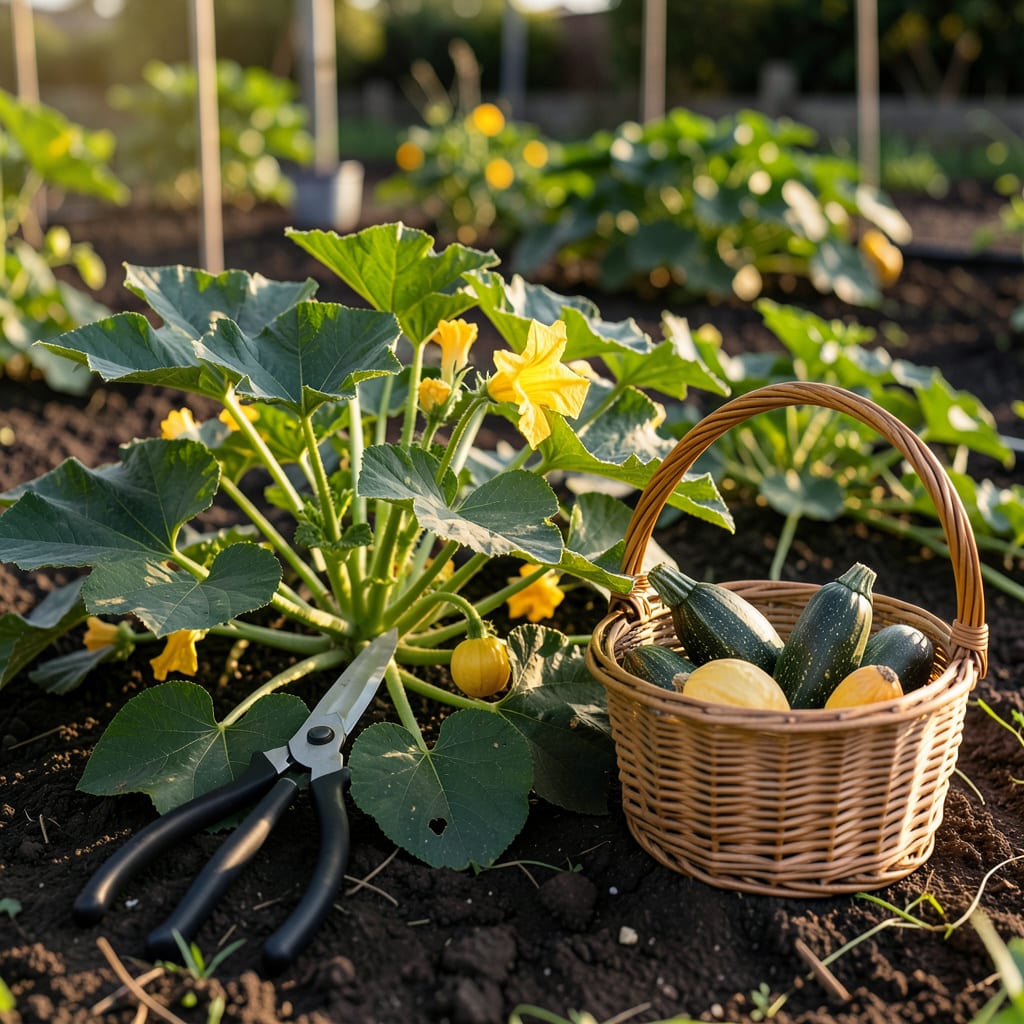
I remember the first time I picked a squash too early – what a disappointment! With 🎃 squash, timing is everything for that perfect flavor and texture.
Discover how to spot the key signs your squash is ready, from color changes to the simple nail test. You’ll never guesswrong again.


I’ve learned that summer squash like zucchini and yellow squash are ready when they’re 6-8 inches long and their skin is firm. The color should be vibrant and consistent all over the fruit.
For winter squash such as butternut or acorn squash, the rind needs to be hard and dull. You shouldn’t be able to puncture it easily with your fingernail. This usually happens when the vines start to die back.
| Variety | Size at Maturity | Color Indicator | Rind Texture |
|---|---|---|---|
| Zucchini | 6-8 inches | Deep green | Tender, shiny |
| Yellow Squash | 6-8 inches | Bright yellow | Smooth, firm |
| Butternut | 8-12 inches | Tan, uniform | Hard, dull |
| Acorn | 4-7 inches | Dark green, orange | Hard, matte |
The stem is another great indicator. For summer squash, the stem should still be soft and green when you harvest. But for winter squash, wait until the stem is dry and woody.
I always check the vines too. If they’re starting to yellow and die back, that’s a clear sign your winter squash is nearly ready. Summer squash vines stay green and productive all season.
A hollow sound when you tap the squash means it’s ripe. This works especially well for butternut and acorn squash. If it sounds solid or dull, it needs more time on the vine. ☀️
Don’t forget to check the underside of the squash. It should be creamy or orange for most varieties, not white or pale. This is called the ground spot and it’s a reliable readiness indicator.
For spaghetti squash, look for a hard rind and a color that’s turned from shiny to matte yellow. The stem should be corky and dry when it’s time to pick.
I’ve found that harvesting in the morning gives the best results. The squash are firmer and the plant is less stressed. Use a sharp knife or pruners to cut the stem, leaving about 1-2 inches attached. ✂️
Remember that overripe squash can be tough and stringy. For zucchini, if it’s grown to the size of a baseball bat, you’ve waited too long. Smaller is usually better for summer varieties.
I swear by the nail test for checking squash readiness. It’s quick, reliable, and works for nearly all squash varieties. The method is simple: try to puncture the rind with your thumbnail.
For summer squash like zucchini, your nail should easily pierce the skin. For winter squash, the rind should resist your thumbnail completely. This tells you the squash has reached full maturity. 🌱
This test works because the rind hardens as the squash matures. For butternut squash, you’ll notice the color deepens to a rich tan as the rind toughens. The nail test confirms what your eyes suspect.
I always test multiple squash on the same plant. Sometimes one will be ready while others need a few more days. Don’t be afraid to check the same squash every 2-3 days as it approaches maturity.
Remember that overripe winter squash can be tough to cut and may have dry, stringy flesh. The nail test helps you avoid this by catching them at the perfect moment. For summer squash, the test helps prevent harvesting too early.
Combine the nail test with other signs like stem dryness and vine dieback for the most accurate results. I’ve found this combination never fails me. ✂️
I’ve made my share of squash-picking blunders over the years. One of the biggest mistakes is waiting too long to harvest summer squash. They can grow from perfect to oversized in just 2-3 days during peak season.
Another common error is using the wrong tool. Never twist or pull squash from the vine, as this can damage the plant. Always use a sharp knife or pruners to make a clean cut. 🌱
Harvesting too early results in underdeveloped flavor and texture.
Waiting too long for summer varieties makes them tough and seedy.
Cutting too close to the squash can lead to early spoilage.
Harvesting in heat can stress the plant and reduce shelf life.
I’ve also learned not to ignore the stem. For winter squash, cutting too close can cause the squash to rot during storage. Always leave 1-2 inches of stem attached to help it keep longer.
Timing your harvest is crucial. I try to pick squash in the early morning when temperatures are cooler. This helps preserve the squash’s freshness and reduces stress on the plant. The squash will also be firmer and easier to handle.
Finally, don’t forget to check your plants daily during peak production. Squash can grow remarkably fast, and a day or two can make all the difference between perfect and overripe. ✂️
Check daily during peak production. Summer varieties grow fast and can become oversized in 2-3 days. Winter types need less frequent checks but watch for color changes.
Yes! Summer squash like zucchini are best fresh. Winter varieties may need a few days to cure for optimal storage, but you can cook them immediately if desired.
Underripe squash will have underdeveloped flavor and softer texture. They may also spoil quicker. For summer types, they’ll be smaller but still edible.
A shiny rind means it’s not mature yet. Wait until it turns dull and hard – this usually happens as vines die back and the color deepens.
