
Beautiful Plants For Your Interior
Beautiful Plants For Your Interior
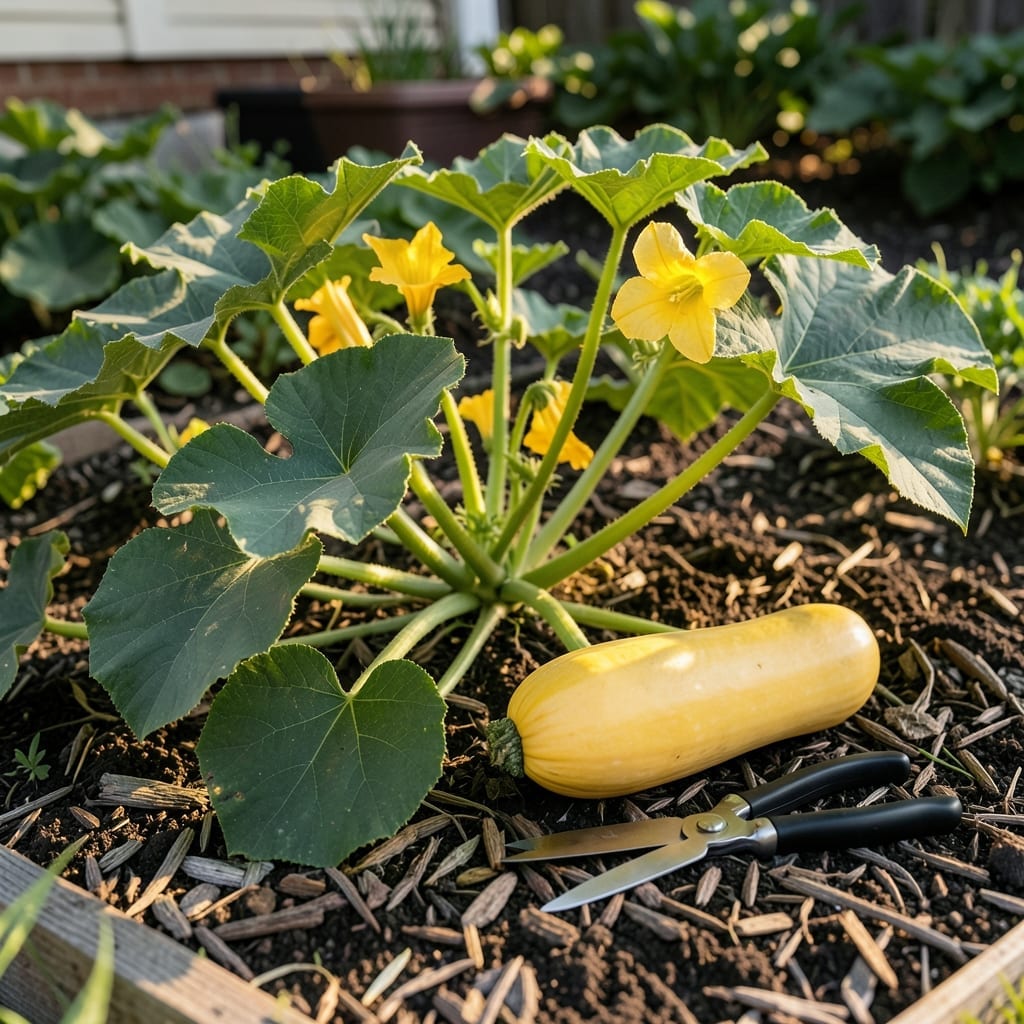
I remember the first time I grew 🎃 Spaghetti Squash – I waited too long to harvest and ended up with a tough, stringy mess. Timing is everything with this unique winter squash.
Getting it just right means the difference between underripe disappointment and perfect, tender noodle-like strands. The good news? Your squash will give you clear signals when it’s ready.
Discover the simple visual cues and timing tips that ensure you pick at the peak of flavor and texture. Let’s make this your best harvest yet.
I’ve learned that spaghetti squash gives clear signals when it’s ready. The most obvious sign is the rind color change from pale green to deep yellow or orange. This transformation happens as the squash matures on the vine.
The color shift is just the beginning. You’ll also notice the skin becomes hard and loses its shiny appearance. When pressed with a fingernail, a mature squash won’t leave a mark or puncture easily.
| Harvest Sign | What to Look For |
| Rind Color | Deep yellow or orange hue |
| Rind Hardness | Cannot be punctured with fingernail |
| Stem Condition | Dry and woody appearance |
| Vine Condition | Vine starts dying back near fruit |
| Sound Test | Hollow sound when tapped |
The stem condition is another critical indicator. As the squash ripens, the stem transitions from green and moist to brown and dry. This drying process is nature’s way of telling you the fruit is nearing readiness.
I always check the vine condition too. When the vine near the squash starts to die back and turn brown, it’s a strong sign that the fruit has reached maturity. This typically happens as the plant shifts its energy from growth to ripening.
Another reliable test is the sound test. Gently tap the squash with your knuckles. A mature spaghetti squash will produce a hollow sound, similar to tapping a watermelon. This indicates the interior has developed properly.
For most varieties, you can expect 80 to 100 days from planting to harvest. However, I’ve found that 90 days is the sweet spot for optimal flavor and texture development in most growing conditions.
Remember that early varieties may mature faster, sometimes in as little as 80 days, while some heirloom types might take up to 110 days. Always check your seed packet for specific variety information.
In my experience, the combination of visual cues works best. When you see the deep color, hard rind, dry stem, and dying vine all together, you can be confident your spaghetti squash is ready to pick.
I recommend harvesting on a dry, sunny day when possible. This helps prevent moisture-related issues during storage. Use pruning shears to cut the stem, leaving about 2 inches attached to the squash.
This extra stem length helps prevent rot during storage and gives you a handy handle. Always handle your harvested squash gently to avoid bruising the rind.
I’ve seen many gardeners make simple mistakes that turn a promising harvest into disappointment. The most common error is picking too early when the rind is still soft and green. This results in watery, stringy flesh that lacks flavor.
On the flip side, waiting too long can be just as problematic. Overripe squash may develop a grainy texture or split open on the vine, attracting pests and reducing storage life.
Harvesting too early or too late ruins texture and flavor. Always check the stem and rind before cutting. Handle gently to prevent bruising.
Another frequent mistake is ignoring the stem. Cutting too close to the squash or leaving a long stem can both cause problems. A stub that’s too short invites rot, while an excessively long one can be cumbersome.
I always remind fellow gardeners to use clean, sharp tools. A jagged cut or dirty shears can introduce disease. Make a clean cut about 2 inches from the squash for the best results.
Post-harvest mishandling is another issue. Dropping or stacking squashes can cause bruising that isn’t visible immediately but will show up during storage as soft spots and early spoilage.
Finally,