
Beautiful Plants For Your Interior
Beautiful Plants For Your Interior
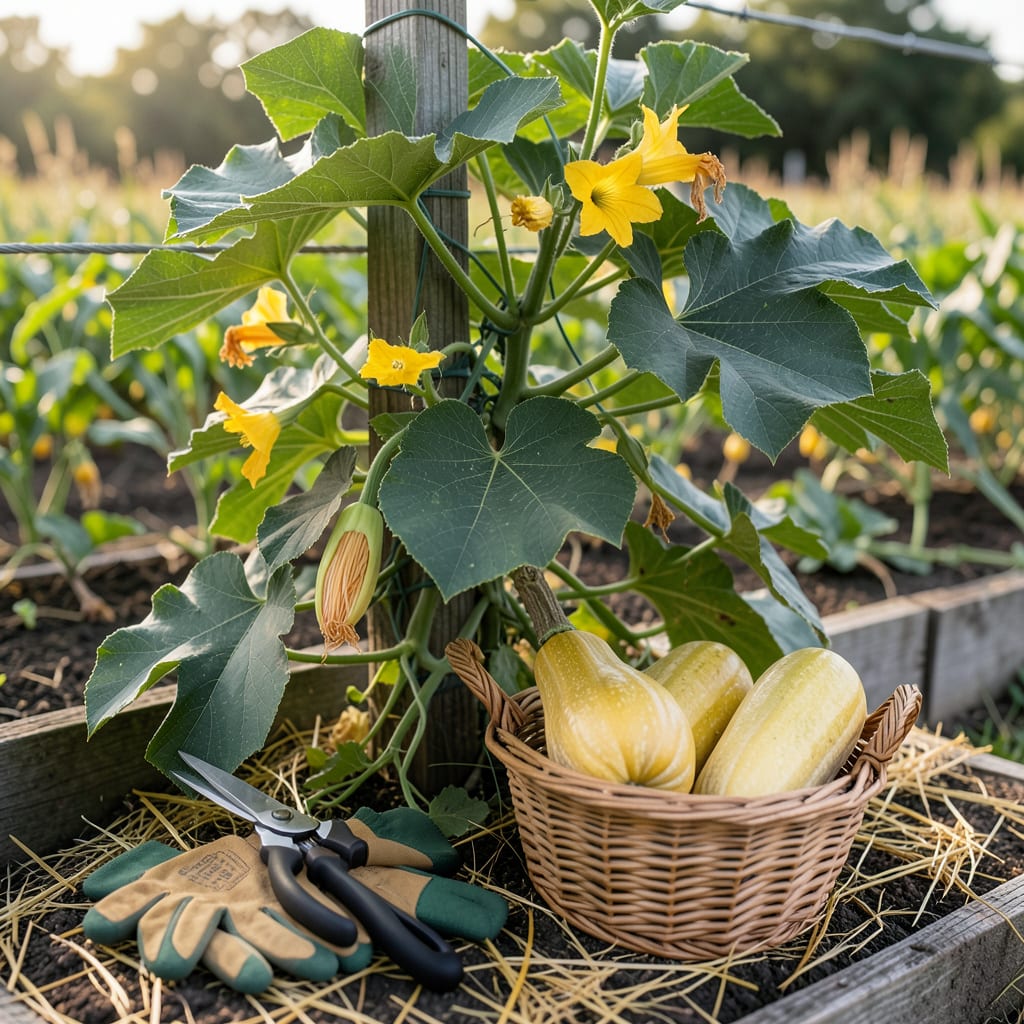
That moment when your 🎃 spaghetti squash looks ready—but is it really? Pick too soon, and you’ll get bland, watery strands. Wait too long, and you risk a mushy, overripe disappointment.
After months of tending your vines, the last thing you want is to guess wrong at harvest time. I’ll show you the 5 foolproof signs to check before you cut—so you get perfectly sweet, stringy squash every single time.


After months of watching your spaghetti squash vines sprawl and flourish, the big question arrives: Is it ready yet? Unlike summer squash, these winter varieties need full maturity for that perfect stringy texture and sweet flavor. Here’s how to read your plant’s signals. 🎃
Don’t rely on size alone—color, rind hardness, and stem condition tell the real story. I’ve made the mistake of harvesting too early based on length, only to end up with squash that cooked into mush. Let’s break down the 5 non-negotiable signs your squash is begging to be picked.
| Sign | What to Look For | Why It Matters |
|---|---|---|
| Deep Yellow Color | Uniform golden-yellow hue (no green streaks) | Indicates full sugar development and maturity |
| Hard Rind | Thumbnail test fails (can’t pierce skin) | Ensures long storage life and firm strands |
| Dry, Corky Stem | Stem turns brown and woody, cracks slightly | Signals the plant has stopped feeding the fruit |
| Vine Decline | Nearby leaves yellow or wilt | Plant redirects energy from growth to seed maturity |
| Size & Weight | 8–12 inches long, feels heavy for size | Confirms full water/nutrient absorption |
The color shift is your first clue. Immature spaghetti squash starts pale green or striped, but a ready fruit turns a rich, even yellow—almost like a school bus. If you spot any green patches, give it more time. I once harvested a squash with a single green stripe, and the flesh underneath was disappointingly watery.
Next, perform the thumbnail test. Press your thumbnail into the rind—if it leaves a mark or punctures the skin, it’s not ready. A mature squash will have a rind so hard your nail won’t break the surface. This hardness protects the fruit during storage and ensures the strands hold their shape when cooked.
Check the stem connection. A ready squash will have a stem that’s dried out and turned brown, often with slight cracking where it meets the fruit. If the stem is still green and flexible, the squash is still drawing nutrients from the vine. I like to gently twist the squash—if it snaps off easily, it’s a good sign.
Don’t ignore the vine’s health. As squash matures, the plant starts to decline, with leaves nearest the fruit yellowing or drying up. This isn’t a problem—it’s the plant’s way of saying, “I’m done feeding this one!” If your vine is still lush and flowering, the squash likely needs more time.
Finally, trust the weight and size. A mature spaghetti squash should feel heavy for its size (like a dense melon) and measure 8–12 inches long. Smaller squash may be underdeveloped, while oversized ones can be fibrous. I once grew a monster 14-inch squash that looked impressive but had tough, stringy flesh—lesson learned!
If you’re in a short growing season (like USDA Zone 5 or colder), watch the weather forecast. A light frost can damage squash, so harvest before temperatures dip below 32°F. In warmer zones (7+), you can often leave squash on the vine until the first frost warning, letting them fully ripen in the sun. ☀️
Once you’ve confirmed all signs, use pruning shears (not your hands!) to cut the stem, leaving 1–2 inches attached. This prevents rot during storage. Avoid carrying the squash by the stem—it can snap off, creating an entry point for bacteria. Instead, cradle it like a precious cargo (because it is!). ✂️
Timing your spaghetti squash harvest can make or break your crop. Picking too soon means you’ll get watery, flavorless strands that lack the signature texture. I’ve seen gardeners rush to harvest based on size alone—only to end up with squash that’s more like a zucchini than a pasta substitute. 🎃
On the flip side, leaving squash on the vine past its prime leads to fibrous, overripe flesh that’s tough to work with. The rind may also soften, making storage tricky. Overripe squash often develops mold or rot before you even get it inside. Trust me, neither scenario is ideal.
An underripe spaghetti squash won’t develop its natural sugars or firm strands, no matter how long you cure it. I once harvested a batch at 80 days instead of waiting the full 100 days—big mistake. The strands turned to mush when cooked, and the flavor was disappointingly mild.
Overripe squash, meanwhile, becomes woody and bitter. The seeds grow large and tough, making them harder to scoop out. I’ve also noticed that overripe squash attracts pests like squash bugs more readily, as the softened rind is easier to penetrate. ☀️
The sweet spot is when the squash has reached full color (deep yellow or orange) and the rind resists thumbnail pressure. This is typically 90–110 days after planting, depending on your climate. If you’re unsure, leave it on the vine a few extra days—it’s better to err on the side of slight overripeness.
Once harvested, cure your squash in a warm, dry place (like a sunny windowsill) for 10–14 days. This hardens the skin and concentrates flavors. Properly cured squash can last 2–3 months in cool storage, while prematurely picked ones may spoil in weeks. ✂️
You’ve watched your 🎃 spaghetti squash grow for months, but how do you know it’s truly ready? Cutting it open isn’t an option—once you slice, there’s no going back. That’s why I rely on three non-destructive tests to confirm ripeness every time.
The first is the thumbnail test. Gently press your thumbnail into the rind. If it leaves a mark or punctures easily, the squash needs more time. A mature squash will resist pressure, leaving the skin intact. This test works best on the blossom end (opposite the stem), where the rind is thickest.
Next, examine the stem and vine. A ripe squash will have a dried, woody stem that’s brown or tan. If the stem is still green and flexible, the squash isn’t done. I also check the vine health—if the vine is dying back, the squash is likely ready, but if it’s still lush, give it more time.
The final test is the tap test. Hold the squash in one hand and tap it lightly with your knuckles. A hollow sound means it’s ripe, while a dull thud indicates it needs more time. This works because the seeds and flesh inside mature and separate, creating air pockets that change the sound.
For best results, combine all three tests. I like to check my squash in the early morning when temperatures are cooler—this gives the most accurate read on rind hardness. If two out of three tests pass, it’s safe to harvest. And remember: when in doubt, wait a few more days. A slightly overripe squash is better than an underripe one! ✂️
Most varieties reach full maturity in 90–110 days from planting. In cooler climates (Zones 5–6), aim for the 100-day mark for optimal sweetness. Warmer zones (7+) may see faster growth, but always check visual cues too.
No, a green stem means the squash is still drawing nutrients. Wait until the stem turns brown and corky and cracks slightly. If frost threatens, harvest early and cure indoors—but expect shorter storage life.
Cure in a warm, dry spot (like a sunny windowsill) for 10–14 days. Then store in a cool (50–55°F), dark place. Properly cured squash lasts 2–3 months—avoid refrigeration!
This usually means it was harvested too early. Underripe squash lacks firm strands and turns to mush when heated. Always do the thumbnail test—if the rind dents, wait longer.
