
Beautiful Plants For Your Interior
Beautiful Plants For Your Interior
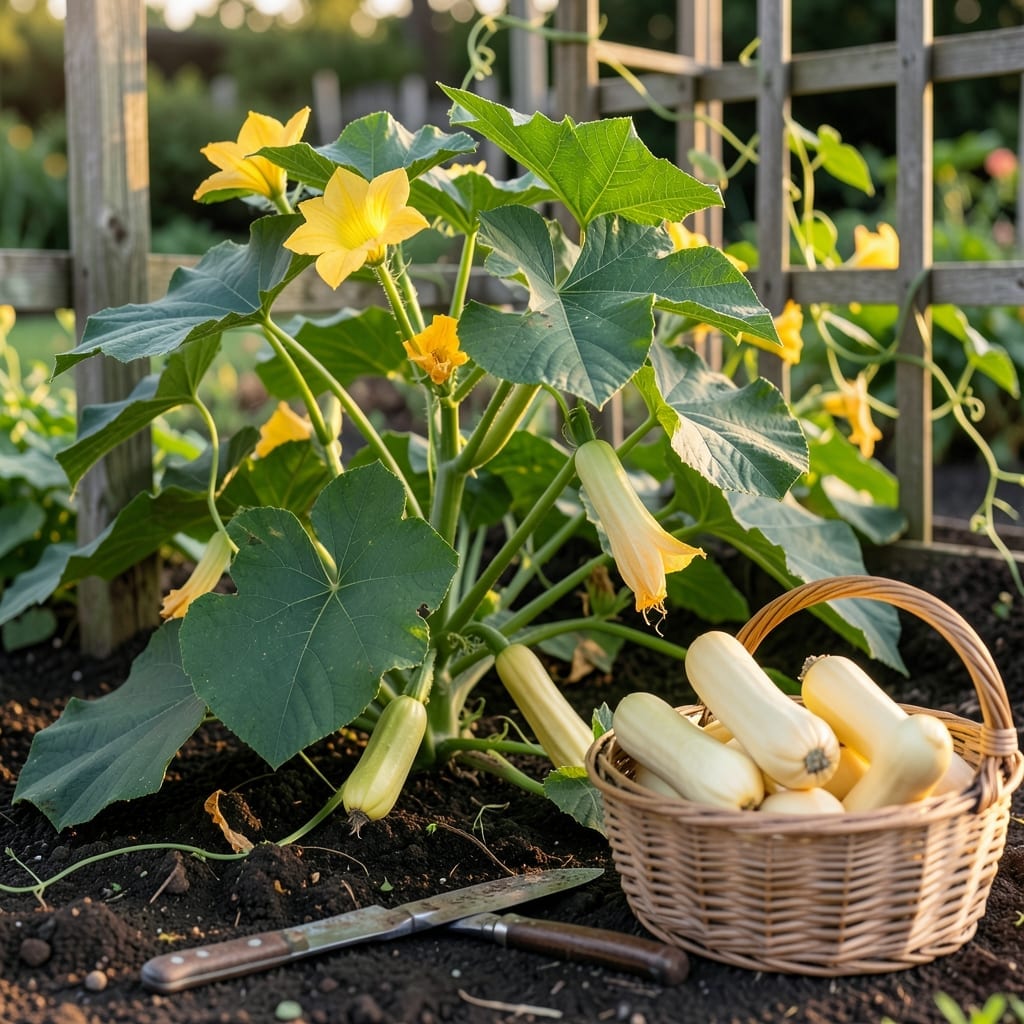
Timing is everything when growing Spaghetti Squash 🎃, and nailing the season can transform your harvest. I’ve seen gardeners struggle with wilted vines or underripe squash simply because they planted too early or late.
From April to June, these vines thrive when the soil warms up, setting the stage for a bountiful yield. The real magic happens between August and October, when the rinds harden and flavors peak.
Let me walk you through the most important timing tips so you can enjoy this versatile veggie at its absolute best, no matter where you’re growing it.
If you’re growing spaghetti squash, timing is everything. This warm-season crop thrives when the soil is warm, typically between 60-70°F. In most regions, that means planting after the last frost date, usually between April and June. 🌱
I’ve found that spaghetti squash generally takes 90-100 days to mature, so planting in late spring sets you up for a harvest from August to October. But the exact timing depends heavily on your USDA hardiness zone and local climate. 🌿
| Region | Planting Window | Harvest Time |
|---|---|---|
| Zones 3-4 | Late May – Early June | September – October |
| Zones 5-6 | Mid-April – May | August – October |
| Zones 7-8 | March – April | July – September |
| Zones 9-11 | February – March | June – August |
In cooler climates (Zones 3-4), the growing season is shorter, so I recommend starting seeds indoors 2-3 weeks before the last frost. This gives your plants a head start. For warmer regions (Zones 9-11), you can even sneak in a second crop in late summer for a fall harvest. ☀️
One thing I always tell gardeners is to monitor soil temperature closely. Spaghetti squash won’t tolerate cold soil, and planting too early can lead to poor germination or stunted growth. Use a soil thermometer to ensure it’s consistently above 60°F before sowing seeds. 🌡️
Another key factor is the length of your growing season. In areas with short seasons, choose fast-maturing varieties that reach harvest in 80-90 days. For longer seasons, you have more flexibility and can experiment with heirloom varieties. ✂️
I’ve noticed that spaghetti squash plants are heavy feeders, so enrich your soil with compost or aged manure before planting. This gives them the nutrients they need for robust growth and a plentiful harvest. 🪴
If you’re in a region with hot summers, consider providing some afternoon shade to prevent sunscald on the fruit. In contrast, in cooler areas, using black plastic mulch can help warm the soil and extend your growing season. 🌻
Finally, keep an eye on the first frost date in your area. Spaghetti squash is sensitive to frost, so aim to harvest all fruit before the first hard freeze. If an early frost is forecasted, cover your plants with frost blankets to protect them. 🌷
Knowing the exact moment to pick your spaghetti squash can be tricky, but there are clear signs I always look for. The first is the skin color turning a deep, uniform yellow or orange, which means it’s nearing maturity. 🌱
A hard rind that resists puncturing when pressed with a fingernail is another sure sign. I also check for a dry, woody stem—if it’s still green and pliable, the squash isn’t ready yet. The vine’s leaves may start to yellow as well, signaling the plant’s energy is shifting. 🌿
One common mistake I see is harvesting too early. If the rind is still green or can be dented with a fingernail, the squash needs more time. On the flip side, leaving it too long can lead to overripe fruit or damage from pests. ☀️
I also recommend checking the days to maturity for your variety. Most spaghetti squash takes 90-100 days from planting, so if you’ve hit that mark and see these signs, it’s time to harvest. Use clean pruning shears to cut the stem, leaving about 2-3 inches attached. ✂️
Another tip: harvest on a dry, sunny day to prevent mold or rot. After picking, cure the squash in the sun for 1-2 weeks to harden the skin further. This step helps extend its storage life, so you can enjoy your harvest for months. 🪴
If you’re unsure, try the thumb test. Press your thumbnail into the rind—if it doesn’t leave a mark, the squash is ready. This simple check has saved me from many underripe harvests over the years. 🌻