
Beautiful Plants For Your Interior
Beautiful Plants For Your Interior
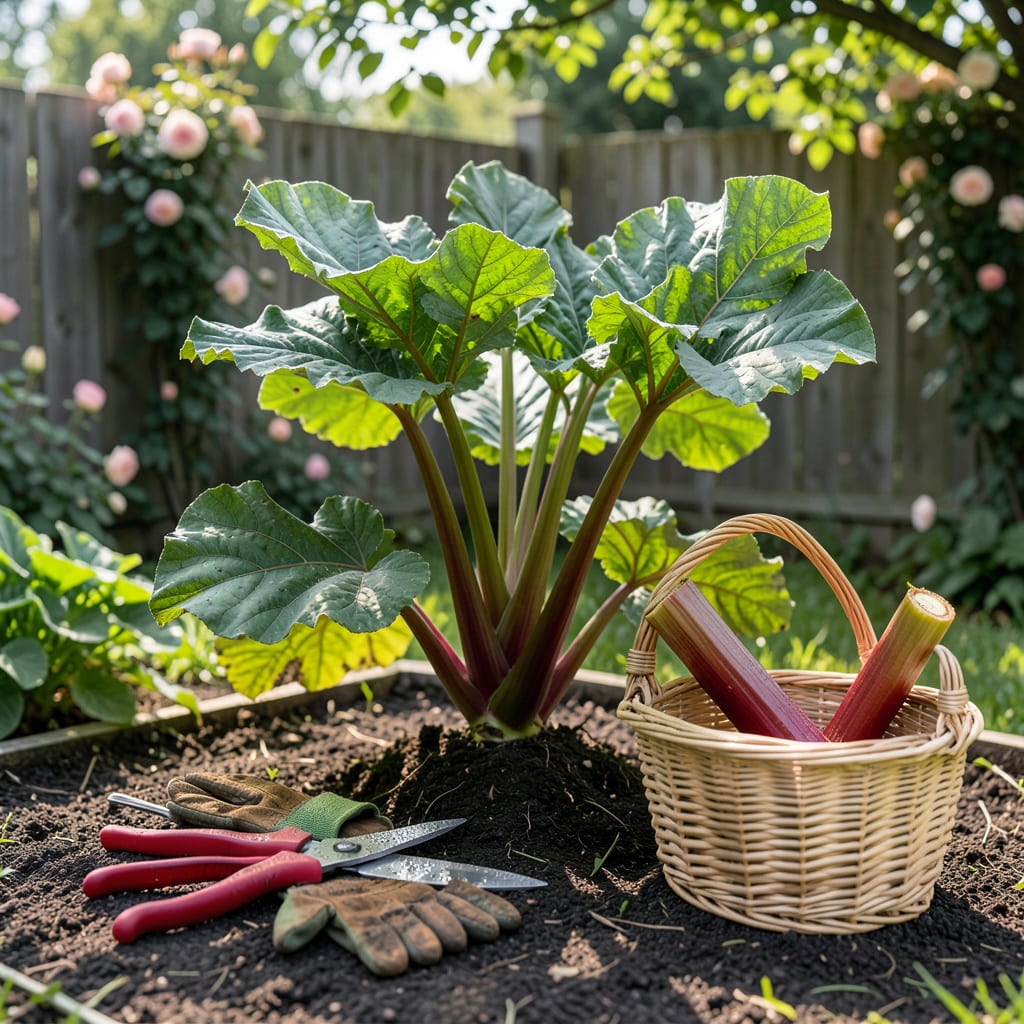
There’s nothing quite like the tart, vibrant flavor of freshly picked rhubarb—if you harvest it at just the right time. But snip those stalks too soon, and you’ll end up with tough, stringy disappointment. Too late? You risk a woody texture and a stressed-out plant.
I’ve learned the hard way that timing is everything with 🌱 rhubarb. The good news? A few simple signs—like stalk length and color—tell you exactly when to pick for that perfect balance of sweetness and tenderness. Let’s break down what to look for so you never second-guess your harvest again.


Knowing exactly when to pick your rhubarb stalks can feel like solving a garden mystery. But once you learn the key signs, you’ll never second-guess your harvest again. The secret lies in the stalks’ size, color, and texture—not just the calendar date.
For first-time growers, it’s tempting to harvest as soon as you see growth. But patience pays off! First-year plants should be left alone to establish roots. By Year 2 or 3, your rhubarb will reward you with thick, flavorful stalks ready for the picking. Here’s how to spot the perfect moment. 🌱
If your stalks are shorter than 8 inches or thinner than a pencil, give them more time. I’ve found that morning harvests yield the juiciest stalks—they’re plump with overnight moisture. Avoid picking after heavy rain, when stalks can absorb excess water and turn mushy.
Pro tip: Twist test! Gently bend a stalk—if it bends slightly without snapping, it’s ready. If it cracks like a twig, it’s overmature. First-year plants might produce thin stalks; resist the urge to harvest and let them bulk up for next season.
Watch for seed stalks (tall, skinny stems with flower buds) too. These steal energy from your edible stalks, so snip them off at the base ASAP. In hot climates, rhubarb may bolt early—harvest promptly if you spot buds forming.
Remember, harvest window varies by zone. In cooler regions (Zones 3–5), peak time is late spring to early summer. Warmer zones (6–8) may see an earlier harvest by mid-April. Always prioritize stalk signs over dates!
After picking, I like to feed my rhubarb with compost or a balanced 10-10-10 fertilizer to fuel the next flush of growth. A 2-inch mulch layer helps retain moisture during summer heat. With the right care, your plant will keep producing for a decade or more!
Still unsure? Compare your stalks to grocery-store rhubarb—they should look just as vibrant and sturdy. When in doubt, wait a few more days. Rhubarb grows quickly in spring, so you won’t miss your chance! 🌿
Harvesting rhubarb stalks the right way ensures your plant keeps producing for years. The golden rule? Never pull stalks—this damages the roots. Instead, use a sharp knife or garden shears to make a clean cut at the base of the stalk, where it meets the crown.
I always leave at least one-third of the stalks on the plant during each harvest. This keeps the rhubarb crown healthy and energized for regrowth. Over-harvesting, especially in the first year, can weaken the plant and reduce future yields.
Timing matters too! The best time to harvest is in the early morning when stalks are crisp and full of moisture. If you spot any flower stalks (they look like tall, skinny stems with buds), remove them immediately—they sap energy from your edible stalks.
After harvesting, give your plant a light feed of balanced fertilizer (like 10-10-10) and water deeply. This helps replenish nutrients and encourages new growth. I like to add a 2-inch layer of mulch around the base to retain moisture and suppress weeds.
Remember, rhubarb leaves are toxic—never eat them! Focus on the stalks, and compost the leaves instead. If your plant looks stressed after harvesting (wilting or yellowing), scale back next time and give it extra TLC with weekly watering and shade during peak heat.
With the right technique, your rhubarb patch will thrive for 10+ years, giving you bountiful harvests every spring. Happy picking! 🌱
Timing your rhubarb harvest depends heavily on where you live. While stalk signs are the best indicator, your USDA growing zone plays a big role in when those perfect stalks will appear. Cooler climates often see later harvests, while warmer regions may start picking weeks earlier.
In my Zone 6 garden, I typically start checking stalks in mid-April, but friends in Zone 4 don’t harvest until May. The key is watching for those 10–15 inch stalks and rich colors—nature’s way of saying, “I’m ready!” Let’s break down what to expect in your area. 🌱
| USDA Zone | Harvest Window | First Pick (Est.) | Last Pick (Est.) |
|---|---|---|---|
| Zones 3–4 | Late spring | Mid-May | Early July |
| Zones 5–6 | Mid to late spring | Mid-April | Late June |
| Zones 7–8 | Early to mid-spring | Late March | Mid-June |
| Zones 9–10 | Winter to early spring | February | April |
Note: First-year plants should never be harvested—focus on root growth. Year 2+ yields full-size stalks.
If you’re in a warmer zone, watch for early bolting (flower stalks). Heat can trigger rhubarb to go to seed faster, so harvest promptly when stalks reach 10 inches. In cooler areas, a late frost might delay growth—cover young plants if temps dip below 28°F.
I’ve noticed that green varieties (like ‘Victoria’) often mature a week or two earlier than red types (like ‘Canada Red’). Keep a garden journal to track your plant’s progress year to year. And remember: morning harvests always yield the crispiest stalks!
After your final pick, let the plant recharge for summer. Stop harvesting by early July to give your rhubarb time to store energy for next year. A little compost tea or balanced fertilizer in fall will keep it thriving for decades. 🌿
Wait until stalks reach 10–15 inches long—about the length of a standard ruler. Shorter stalks lack sweetness and tenderness. For first-year plants, resist harvesting entirely to let roots establish.
No, avoid picking first-year plants. They need to focus energy on root development. Start harvesting in Year 2 or 3 when stalks are thick and mature. Patience now means bigger yields later!
Harvest in the early morning when stalks are crisp and full of moisture. Avoid picking after heavy rain, as stalks can become waterlogged and mushy. Use sharp shears for a clean cut at the base.
Thin, pale stalks usually mean the plant needs more time or nutrients. Ensure it gets 6+ hours of sun daily and feed with 10-10-10 fertilizer in spring. Thin stalks in Year 1 are normal—wait until Year 2.
Overmature stalks become woody and fibrous, snapping like celery when bent. If you see seed stalks (tall, skinny stems with buds), remove them immediately—they drain energy from edible stalks.
