
Beautiful Plants For Your Interior
Beautiful Plants For Your Interior
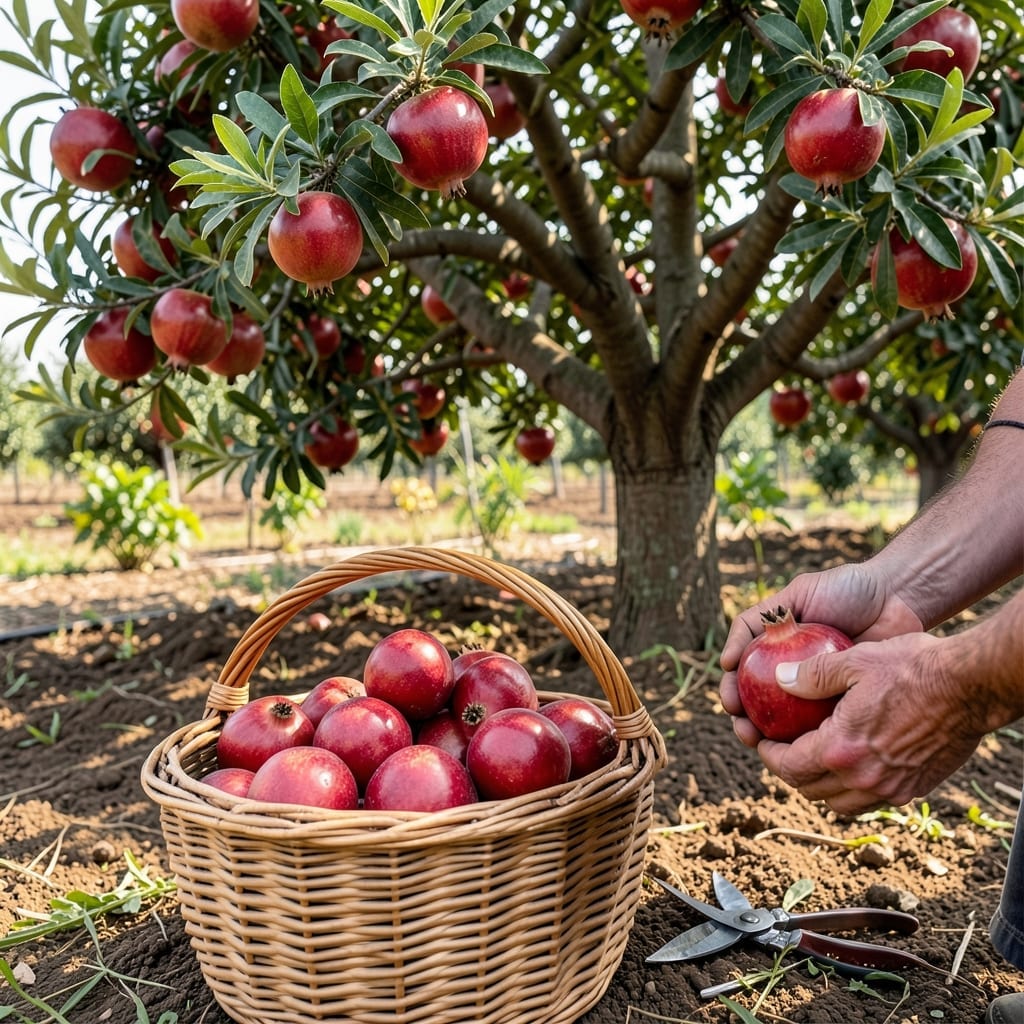
Pomegranate lovers in Florida know timing is everything for harvesting these vibrant 🍇 fruits. The Sunshine State’s unique climate creates a distinct window for peak flavor and ripeness.
Unlike cooler regions, Florida’s 8b-10a zones allow for a longer growing season, but the harvest period remains precise. Missing it means missing out on the juiciest arils.
Discover the exact months to pick your Pomegranate and how Florida’s warmth shapes the timeline. Let’s break it down so you never guess again.
In Florida’s USDA zones 8b-10a, pomegranate season typically runs from August through October. The warm climate allows for a longer growing period, but the harvest window remains tight for peak ripeness.
The state’s subtropical conditions mean pomegranates often ripen earlier than in cooler regions. Varieties like Wonderful and Granada thrive here, offering slightly different timelines.
🌱 Florida Pomegranate Season Overview
| Variety | Harvest Months | Key Trait |
|---|---|---|
| Wonderful | August-October | Deep red arils |
| Granada | September-October | Sweet-tart balance |
| Eversweet | August-September | Seedless option |
Florida’s long growing season starts with planting in February-April. The fruits then mature over 180-240 days, depending on the variety and local weather conditions.
In North Florida, cooler springs may push harvests toward late September. Meanwhile, South Florida gardens often see ripe pomegranates as early as mid-August due to consistent warmth.
I’ve noticed that drought conditions can accelerate ripening, while excessive rain may delay it. Monitoring your pomegranate shrubs closely during these months ensures you catch them at their peak.
The Wonderful variety is the most popular in Florida, prized for its rich crimson color and robust flavor. It’s also more disease-resistant, making it ideal for the state’s humid climate.
For Granada pomegranates, expect a slightly later harvest. Their softer seeds and sweeter taste make them a favorite for fresh eating, but they need more consistent heat to fully develop.
If you’re growing Eversweet, you’ll enjoy the earliest harvests. These seedless pomegranates are perfect for gardeners who want quick results without sacrificing flavor.
Remember, soil conditions and sunlight exposure can shift your harvest timeline. Well-draining soil and 6+ hours of sun daily help ensure your pomegranates ripen on schedule.
By tracking these factors, you’ll master Florida’s pomegranate season like a pro 🌿
Knowing when to harvest your Florida pomegranates is crucial for the best flavor and texture. Unlike some fruits, pomegranates don’t ripen further once picked, so timing is everything.
I look for visual cues first. A ripe pomegranate will have a deep red or yellow hue, depending on the variety, and the skin will feel hard and leathery.
🌱 Signs Your Florida Pomegranate Is Ready
The sound test is my favorite trick. Tap the fruit gently with your finger—if it makes a metallic “ping”, it’s ready. A dull thud means it needs more time.
Check the stem end too. When the area around the stem starts to crack slightly and the stem itself is dry and woody, your pomegranate is at peak ripeness.
In Florida’s humid climate, pomegranates may develop a slightly rough texture on the skin. Don’t mistake this for overripeness—it’s normal and doesn’t affect the juicy arils inside.
I’ve found that morning harvests work best. The fruits are cooler and firmer, making them easier to handle without bruising. Use sharp pruners to cut the fruit with a short stem attached.
Avoid pulling pomegranates off the bush, as this can damage the plant and the fruit ✂️