
Beautiful Plants For Your Interior
Beautiful Plants For Your Interior
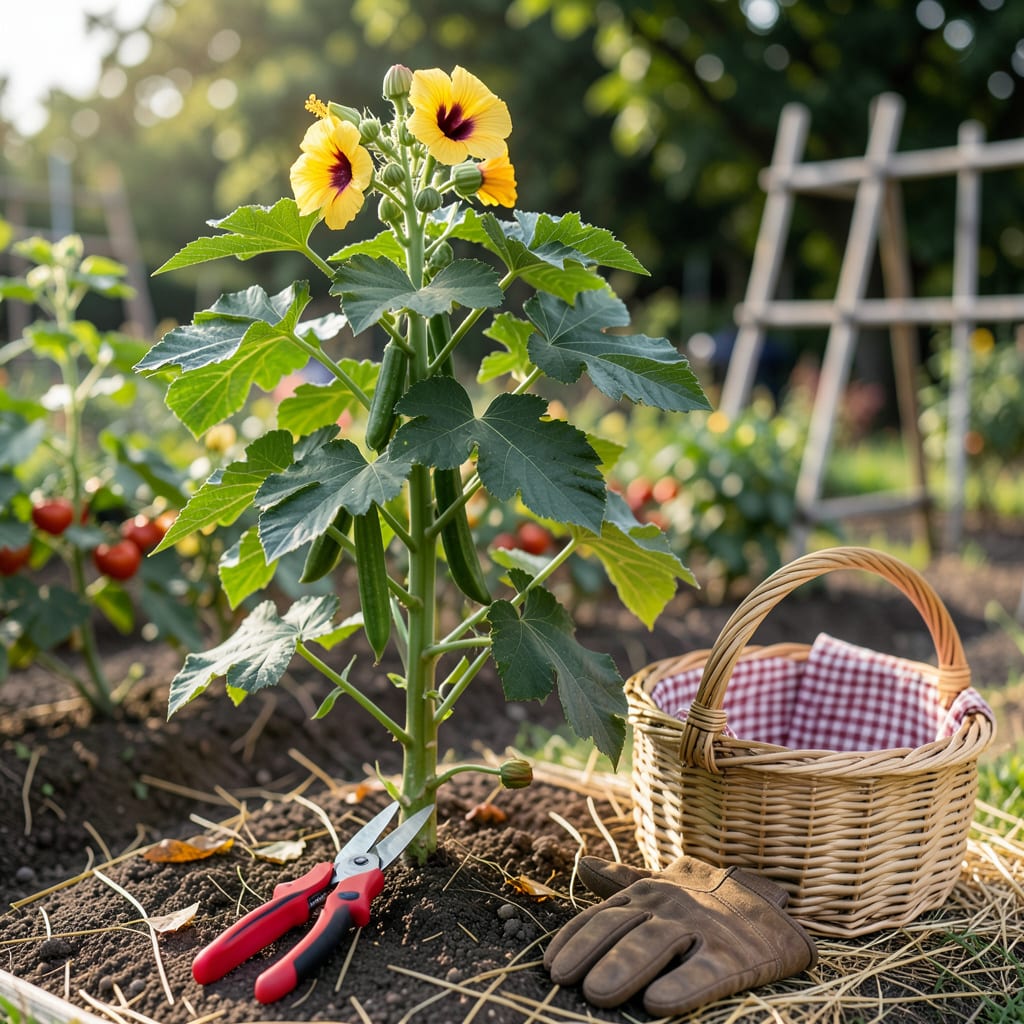
There’s nothing worse than watching your 🥒 okra pods go from perfectly tender to tough and stringy in what feels like overnight. I’ve been there—standing in the garden wondering if today’s the day or if I should wait just a little longer.
The difference between a perfect harvest and a disappointing one comes down to timing—and it’s easier to nail than you think. Let me show you the simple signs to look for so you never second-guess when to pick your okra again.


Timing your okra harvest perfectly means watching for visual cues rather than just counting days. I’ve learned the hard way that waiting even 24 hours too long can turn tender pods into tough, fibrous disappointments. The sweet spot? Look for bright green pods that are 3–5 inches long—that’s when they’re at peak tenderness.
Another trick I swear by is the thumbnail test. Gently press your nail into the pod—if it leaves a slight dent but doesn’t puncture easily, it’s ready. Overripe pods feel hard as wood, while underripe ones bend like rubber. Trust me, your okra plants will reward you with more pods if you pick them at this stage!
If you’re growing ‘Clemson Spineless’ or ‘Emerald’ varieties, expect pods to mature in 50–60 days from germination. I mark my calendar when flowers first appear—okra pods grow surprisingly fast, often ready in just 3–4 days after blooming. Miss that window, and they’ll turn woody overnight.
Here’s a pro tip: Harvest every 2–3 days to keep your plants producing. Okra is like the Energizer Bunny of veggies—the more you pick, the more it grows! Use clean pruners or scissors to avoid damaging the stem, which can invite disease. Twisting pods off by hand works too, but I prefer tools for a cleaner cut.
Watch out for overripe pods—they’ll feel like they’re armored in fiberglass. If you spot yellowing or a dull, rough texture, you’ve waited too long. These tough pods can also stunt new growth, as the plant puts energy into seeds instead of fresh pods. Cut them off anyway to redirect nutrients to younger fruit.
Early morning is my favorite time to harvest. The pods are crispest after a cool night, and the plant is less stressed. Plus, you’ll beat the heat! If you’re saving seeds, leave a few pods on the plant until they’re fully dry and brown—just don’t let them rob energy from the rest of your harvest.
New gardeners often ask: “Can I pick okra when it’s small?” While you can, those tiny pods lack flavor and yield. Wait until they’re at least 3 inches long for the best balance of tenderness and taste. On the flip side, giant 8-inch pods might look impressive, but they’re usually inedible unless you love chewing on cardboard.
Climate plays a role too. In hotter zones (USDA 8–11), okra matures faster—sometimes in as few as 45 days. Cooler areas (Zones 5–7) might need 70+ days. Adjust your expectations based on your local weather, and always prioritize the physical signs over the calendar.
Finally, don’t forget to wear gloves if you’re handling spiny varieties like ‘Red Burgundy’. Those tiny hairs can irritate skin! I keep a pair of gardening gloves and a harvest basket handy to streamline the process. Now go enjoy that fresh okra—just don’t blame me if you get hooked on how satisfying it is to pick!
🌱
Not all okra varieties mature at the same pace, and knowing your plant’s specific harvest window can prevent missed opportunities. I’ve grown everything from fast-maturing Clemson Spineless to slower Red Burgundy, and timing varies wildly. Climate plays a role too—okra in USDA zones 9-11 may ripen faster than in cooler areas.
Early varieties like Emerald can be ready in as few as 50 days, while heirloom types might take 70+ days. If you’re in a short-season area, stick with quick producers. Southern gardeners can experiment with longer-maturing okra for extended harvests. Always check your seed packet for exact days to maturity.
| Variety | Days to Maturity | Pod Color | Best For |
|---|---|---|---|
| Clemson Spineless | 55-60 | Bright green | Beginners, containers |
| Emerald | 50-55 | Dark green | Short seasons |
| Red Burgundy | 65-70 | Deep red | Ornamental, warm climates |
💡 Pro Tip: Warmer temps speed up maturity—okra in zones 10-11 may be ready 5-7 days earlier than listed.
If you’re growing Red Burgundy, watch for pods turning from deep red to burgundy—that’s your cue. Green varieties like Clemson Spineless should be 4-6 inches long and snap easily. Overripe pods turn woody and fibrous, so check plants every 2-3 days in peak season.
In my garden, I tag plants with their variety and expected harvest date using color-coded stakes. This helps me prioritize which rows to check first. If you’re growing multiple types, keep a harvest log to track which varieties perform best in your microclimate. Adjust next year’s plantings based on what matures fastest.
Remember, stress slows growth. Drought or poor soil can delay harvest by 1-2 weeks. Keep plants consistently watered and fed with a balanced 10-10-10 fertilizer every 4-6 weeks. Healthy plants produce pods faster and longer into the season.
For the longest harvest window, succession plant fast-maturing varieties every 3 weeks through early summer. This staggers your harvest so you’re not overwhelmed with pods all at once. In zones with long growing seasons, you can get 3-4 harvests from a single planting if managed well.
Even experienced gardeners can sabotage their okra harvest without realizing it. The biggest mistake I see? Waiting too long to pick those pods. Okra grows incredibly fast—what’s perfect today can turn into a woody disappointment by tomorrow. I’ve lost entire harvests by assuming I had more time.
Another common blunder is improper cutting techniques. Yanking pods off by hand can damage stems, inviting disease. Always use clean pruners or scissors, cutting just above the pod’s base. If you must hand-pick, grasp the pod firmly and twist gently while supporting the stem with your other hand.
✂️ Pro Fix: Harvest with pruners in the early morning when pods are crispest.
The third critical error is inconsistent harvesting. Okra plants are production machines—but only if you keep up! When you leave mature pods on the plant, it signals the okra to stop producing and focus on seeds. I set phone reminders to check plants every 48 hours during peak season.
Here’s a trick I learned from old-school farmers: harvest before noon. Okra pods are plumpest and most tender after a cool night but before the afternoon heat. Bring a basket or bag to the garden—those pods add up fast! And don’t forget gloves if you’re growing spiny varieties like ‘Red Burgundy’.
If you notice your plants producing fewer pods, ask yourself: “When was my last harvest?” More often than not, the answer is “too long ago.” Okra thrives on regular attention. Make it part of your morning routine—grab your coffee, head to the garden, and do a quick pod check. Your plants (and your dinner plate) will thank you!
🌱
Check your plants every 2-3 days during peak season. Okra grows incredibly fast—what’s perfect today can become tough and woody in just 24-48 hours. Set a reminder to avoid missing the ideal window.
Early morning is ideal, right after the dew dries but before temperatures rise. Pods are crispest after a cool night, and the plant is less stressed. Avoid harvesting during midday heat when pods may wilt.
Yellow pods are overripe and typically too tough to enjoy. They develop a woody texture and lose their tender crunch. It’s best to remove them to encourage new growth, even if you don’t eat them.
Use clean pruners or sharp scissors for a precise cut. This prevents stem damage that can invite disease. For spiny varieties, wear gloves and use a small basket to collect pods without skin irritation.
Regular harvesting signals the plant to produce more pods. When you leave mature pods on the plant, it focuses energy on seed production instead of new growth. Aim for every 2-3 days during active growth.
