
Beautiful Plants For Your Interior
Beautiful Plants For Your Interior
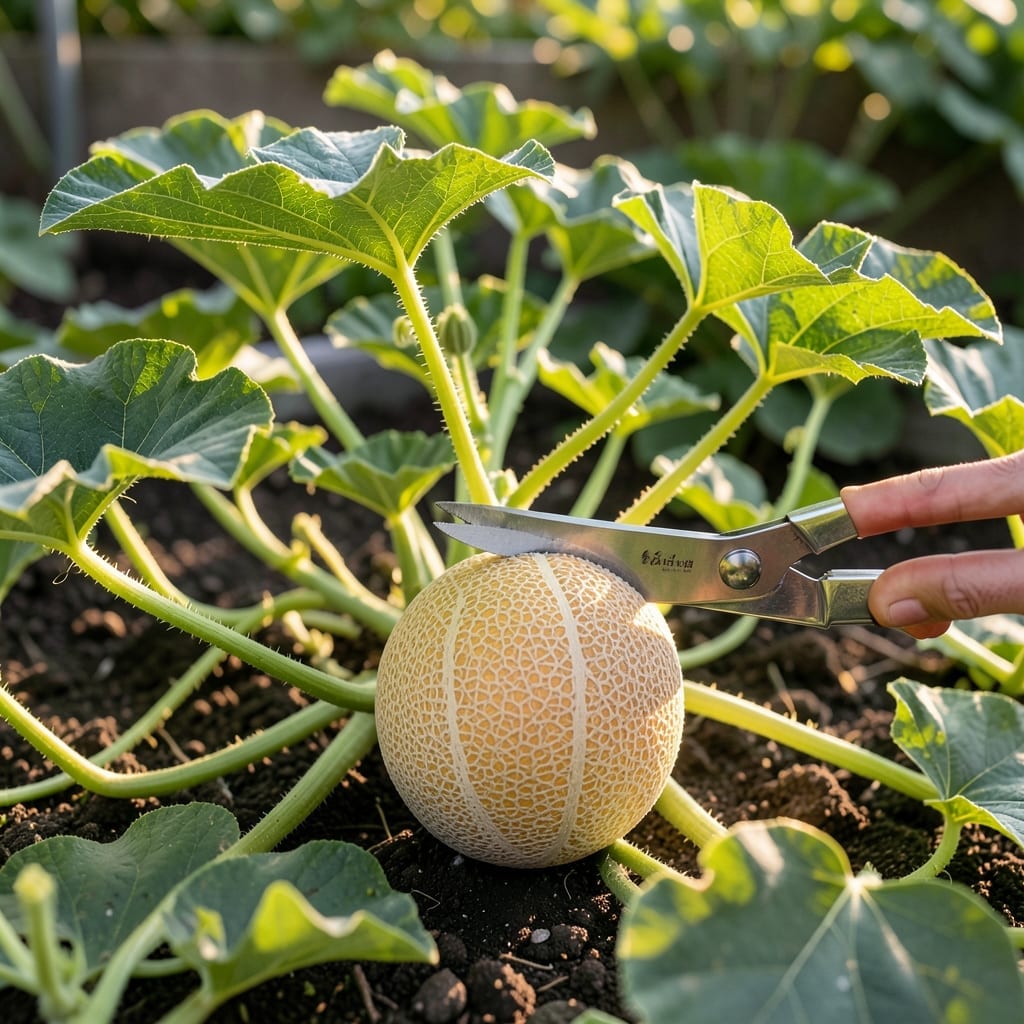
There’s nothing quite like biting into a perfectly ripe 🍈 Melon – sweet, juicy, and bursting with flavor. But how do you know when it’s ready to pick?
Picking at the right moment can be tricky, especially for new gardeners. Miss the window, and you might end up with something underripe or overripe.
Discover the simple visual and tactile signs that will help you harvest your Melon crop at its peak. Let me show you how to get it right every time.


I’ve found that the easiest way to check melon ripeness is by looking at the stem and rind. For most varieties, the stem should slip easily from the vine when gently pressed. This is a classic sign of readiness.
The rind also tells a story. A color change from green to tan or yellow often signals maturity. For watermelons, check the ground spot—it should turn cream-colored when ripe.
| row”> | cell” style=”background-color:#f0f0f0;”>Ripeness Signs |
| row”> | cell”>Stem slips, netting appears raised |
|
Don’t forget to consider the size and weight. A ripe melon should feel heavy for its size. Compare it to the expected size for its variety, which is usually listed on the seed packet. I also pay attention to the veins on the skin. As melons ripen, these veins often become more pronounced and darker, which is a subtle but useful clue. The time of day can also matter. I always check my melons in the morning when they’re fully hydrated. This gives the most accurate sense of their true ripeness. Finally, remember that experience is the best teacher. The more melons you grow and harvest, the better you’ll get at spotting these signs. Trust your instincts and enjoy the process! 🌱 Harvest Timing: Days to Maturity and Seasonal FactorsTiming your melon harvest starts with understanding the days to maturity listed on seed packets. For most watermelons, this is typically 80-90 days, while cantaloupes often ripen in 75-85 days. However, these are just estimates. I’ve learned that real-world conditions like soil temperature, sunlight, and water availability can speed up or delay ripening by 5-10 days. Warmer climates tend to produce earlier harvests. 1
Watermelons: 80-90 days
2
Cantaloupes: 75-85 days
3
Honeydews: 70-80 days
4
Adjust for cooler climates: +10 days
I always mark my planting date on a calendar and count forward to estimate harvest time. But I don’t rely solely on this—combining it with visual cues gives the best results. Early season varieties can be ready 10-15 days sooner than standard types. If you’re in a cooler climate, add a week or two to the estimated timeline to account for slower growth. Another factor I consider is the planting method. Direct-sown seeds may take slightly longer than transplanted seedlings, which get a head start. Black plastic mulch can also speed up ripening by warming the soil. Finally, keep an eye on the weather forecast. If a heatwave is coming, your melons might ripen faster. Conversely, a cool, cloudy stretch can delay maturity by several days. With practice, you’ll develop a feel for when your specific garden conditions produce the best harvest window. 🌱 |