
Beautiful Plants For Your Interior
Beautiful Plants For Your Interior
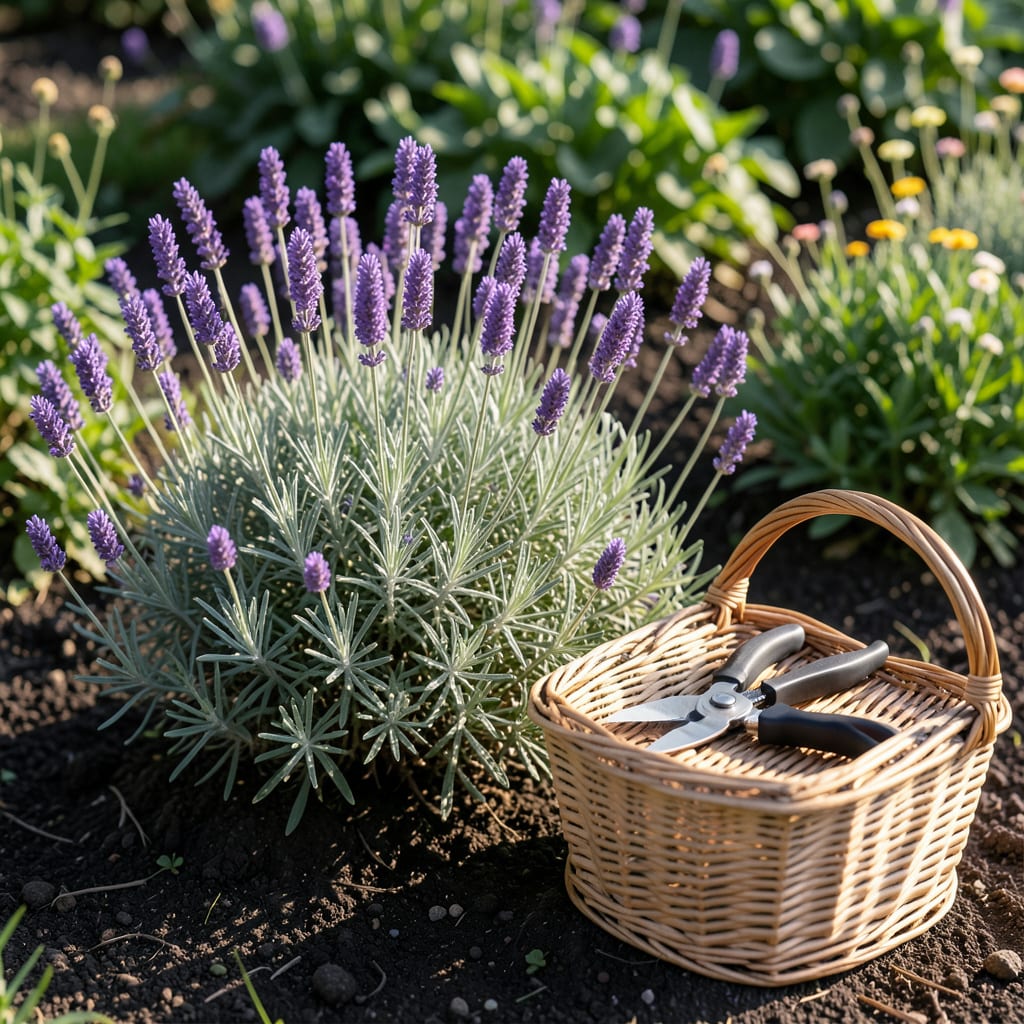
That perfect lavender harvest moment is closer than you think. With 🌿Lavender in zones 5-9, timing means everything for fragrance and color.
I’ll show you the exact visual cues to watch for between July-August, plus the best time of day to cut those stems. Let’s get it right.


I always watch my lavender plants closely as they transition from tight buds to early bloom. The perfect harvest window is surprisingly narrow, and missing it can mean weaker fragrance or stems that shatter too quickly.
In my experience, the bud stage tells you everything. You’re looking for that sweet spot where about 50% of the buds have opened, but the rest are still closed and tight. This is when the essential oils are at peak concentration.
| cell” style=”background-color:#6fd544; color:white; font-weight:bold;”>Description | row”> | cell”>All buds closed, stems firm | row”> | cell”>Lower third of buds open | row”> | cell”>50% buds open, vibrant color | row”> | cell”>Most buds open, color fading | ❌ Too late |
The tight bud stage is when all flower clusters are still closed. While it might be tempting to harvest early, the essential oils haven’t fully developed yet, so the fragrance will be weak.
As the lower third of buds begin to open, you’re getting close. I like to check my plants every morning at this stage, as the transition can happen quickly in warm weather.
The ideal harvest moment arrives when about half the buds on each stem have opened. At this point, the stems should be 8-12 inches long and firm to the touch. The fragrance will be at its strongest.
If you wait until full bloom, when most buds are open, you risk the flowers shattering as they dry. The color will also start to fade, and the aromatic oils begin to dissipate.
I always harvest in the morning hours after the dew has dried but before the heat of the day sets in. This is when the oil concentration is highest in the flowers.
For English lavender, this stage typically occurs in July-August, but can vary by climate. In cooler zones like 5-6, it might be a bit later than in warmer zones like 8-9.
Remember, the stem length matters too. If your stems are still short, even if the buds look ready, it’s better to wait until they reach that 8-12 inch range for the best drying results.
Trust your nose as well as your eyes. When the lavender fragrance is at its most intense, that’s your final confirmation that it’s time to harvest.
I’ve found that lavender color changes tell a clear story about harvest readiness. The deep purple hue you love starts light and intensifies as the buds mature, signaling the right moment to cut.
In my garden, I watch for that shift from pale lilac to rich violet. This color deepening happens as the essential oils develop, which is exactly what you want for maximum fragrance.
The seasonal timing varies by region. In my Zone 7 garden, English lavender typically hits peak color in early July, while Spanish varieties might be ready in late June.
I always consider the microclimate too. Plants on the south side of my house often mature 1-2 weeks earlier than those in partial shade. This is why I recommend checking your plants daily as they approach readiness.
For drying purposes, the color at harvest time directly affects the final product. Darker buds retain more color during drying, while paler ones may fade to a dull gray. This is why timing is so crucial.
In warmer climates like Zone 9, you might get a second flush of blooms in September. These later harvests often have a slightly lighter color but can still be fragrant if timed right.
Remember that humidity affects color intensity too. In my experience, dry years produce the most vibrant purple blooms, while wet springs may yield softer lavender tones.
I’ve seen many gardeners make the same lavender harvesting mistakes that reduce fragrance and quality. The most common is cutting too early when buds are still tight, which means the oils haven’t developed.
Another frequent error is waiting until full bloom when most flowers are open. At this point, the essential oils are already diminishing, and the blossoms may shatter during drying.
Avoid harvesting in wet weather or when dew is present – this can lead to mold during drying.
Never cut more than 1/3 of the plant at once to maintain healthy growth.
Don’t harvest wilted flowers – they’ve passed their prime for oil content.
I always check the weather forecast before harvesting. Humid conditions can ruin a perfect harvest, as moisture prevents proper drying and can cause mold growth on your stems.
The time of day matters more than you think. Harvesting in the heat of afternoon means the oils have already started evaporating. I always aim for morning hours after dew but before temperatures rise.
Remember that stem length affects drying success. Cutting stems too short means they won’t hold up during the drying process. I wait until stems reach at least 8 inches before harvesting. ☀️
Harvest in the morning after dew evaporates but before 10 AM. This is when essential oils are most concentrated. Avoid afternoon heat which causes oils to dissipate.
If all buds are still tightly closed or stems are under 8 inches, wait. Early harvesting means weak fragrance since oils haven’t fully developed yet.
Never harvest when wet or dewy. Moisture prevents proper drying and can cause mold on stems. Always check the forecast for dry conditions.
English lavender typically peaks in July, while Spanish varieties may be ready in June. Warmer zones often bloom 1-2 weeks earlier than cooler areas.
