
Beautiful Plants For Your Interior
Beautiful Plants For Your Interior
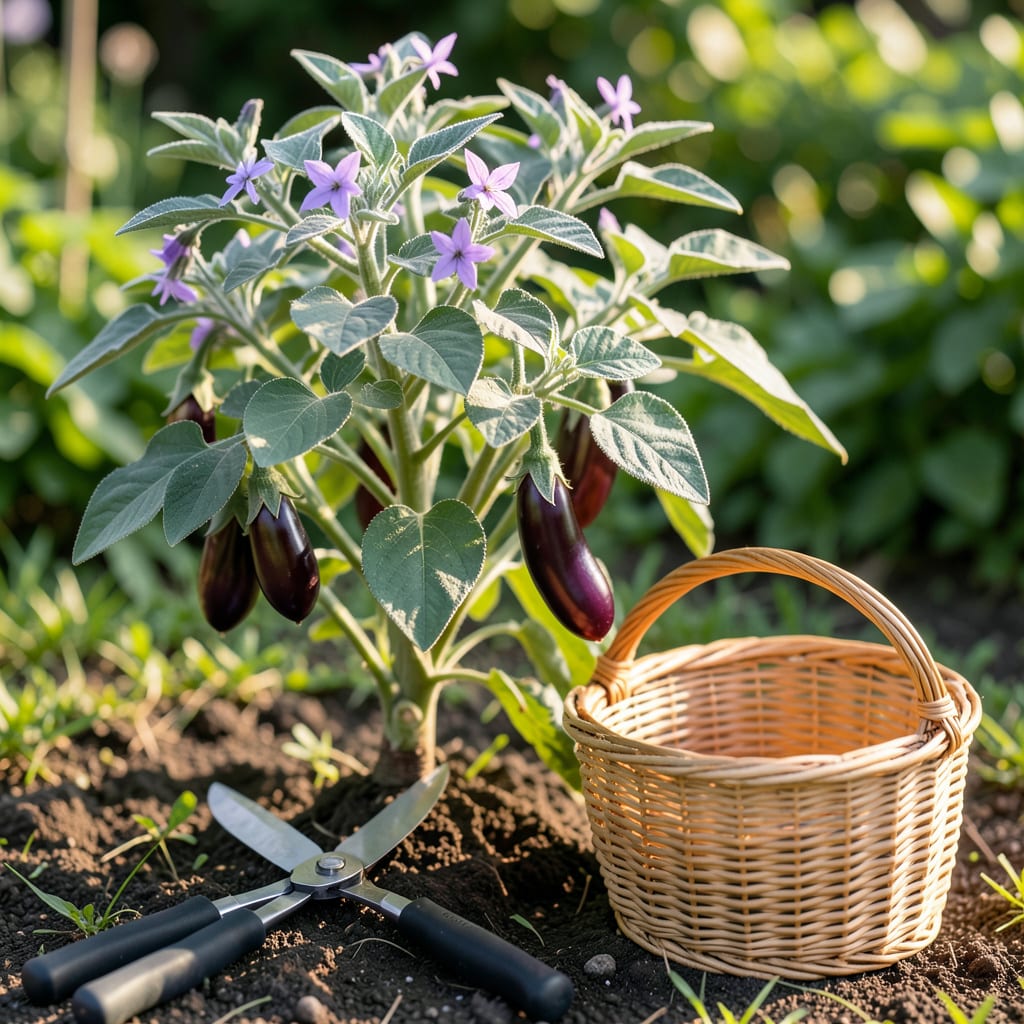
I remember the first time I picked a Japanese Eggplant 🍆 too early – the bitterness was unforgettable. That glossy shine you’re looking for is the secret to sweet, tender perfection.
With 60 days from planting to harvest, knowing the exact moment to pick makes all the difference. Let me show you how to spot that ideal ripeness every time.


I’ve learned the hard way that timing is everything with Japanese eggplant. Unlike their globe cousins, these slender beauties show ripeness in subtle but unmistakable ways. The first clue is always that glossy skin – nature’s way of saying “pick me now!”
That deep, vibrant purple color is another dead giveaway, but don’t rely on size alone. A ripe fruit should feel firm yet slightly yielding when gently pressed, much like a ripe avocado. The stem should still look fresh and green, not dried out.
| Ripeness Sign | What to Look For |
|---|---|
| Skin Appearance | Glossy, deep purple |
| Firmness | Firm with slight give |
| Size | 6-8 inches long |
| Stem Condition | Green and fresh |
| Sound Test | Hollow when tapped |
I always check for that hollow sound when I tap the fruit lightly. It’s a little trick my grandmother taught me that works every time. If it sounds solid, it’s not ready yet. The size matters too – aim for 6-8 inches in length.
One thing I’ve noticed is that Japanese eggplants tend to ripen faster in hot weather. In my garden, I check them every 2-3 days once they start approaching maturity. The skin will often feel slightly warm to the touch when they’re at peak ripeness.
The color transformation is fascinating to watch. It starts as a light lavender and deepens to that rich, dark purple we all love. But remember, color alone isn’t enough – always combine it with the touch test and glossiness check.
I make it a habit to harvest in the early morning when temperatures are cooler. This helps preserve that perfect texture. If you wait until the heat of the day, the fruits can become slightly soft and mealy, which affects their storage life.
Another pro tip: look at the calyx (that leafy part at the top). When it starts to curl upward and feels slightly dry, your eggplant is likely ready. This is often one of the first signs I notice before the skin even starts to gloss over.
Don’t forget to check the underside of the fruit too. Sometimes the color develops more slowly there. A uniformly deep purple underside is a great indicator of even ripeness throughout the fruit.
Lastly, always use sharp pruners or scissors to harvest. Pulling can damage the plant and future fruits. I leave about 1 inch of stem attached to help the eggplant stay fresh longer after picking.
With these signs in mind, you’ll never again wonder when is Japanese eggplant ripe to pick. The plant tells you exactly when it’s ready – you just need to know what to look for 🌱
I’ve seen many gardeners make the same harvest timing mistakes with Japanese eggplant. The most common is picking too early when the skin is still dull. This results in bitter, seedy fruit that’s far from ideal.
Another frequent error is waiting too long. Overripe eggplants develop a spongy texture and lose that perfect firmness. The window for ideal ripeness is often just 2-3 days wide.
⚠️ Warning: Never harvest Japanese eggplant after heavy rain or during extreme heat. The fruit absorbs excess water, becoming watery and bland. Always check the weather forecast before picking.
I learned the hard way that ignoring weather can ruin a perfect harvest. After a rainstorm, I wait at least 24 hours before checking my plants. The fruits need time to return to their natural state.
Many gardeners also forget to test ripeness gently. Pressing too hard can bruise the fruit. I use just my fingertips and look for that slight give, like testing a ripe peach.
Another mistake is harvesting in the heat of the day. I always pick in the early morning when the plants are hydrated and the fruit is at its firmest and freshest.
Don’t overlook the stem condition either. A dried or brown stem often means the fruit is past its prime. I check this first before even looking at the skin color.
By avoiding these common pitfalls, you’ll consistently harvest Japanese eggplant at its peak of perfection every time 🌱
I’ve found that Japanese eggplants have unique ripeness cues that set them apart from other varieties. Unlike globe eggplants, which often turn dull when ripe, Japanese types develop that signature glossy shine we all love.
The slender shape of Japanese eggplant means you should look for a uniform deep purple color along the entire length. Other varieties might show patchy ripening, but Japanese eggplants tend to color evenly when ready.
| Variety | Ripeness Sign |
|---|---|
| Japanese | Glossy, deep purple skin |
| Globe | Dull, matte finish |
| Italian | Slightly dull, striped |
| Size at Ripeness | 6-8 inches (Japanese) |
Another key difference is the firmness test. Japanese eggplants should feel slightly yielding when gently pressed, while globe varieties often feel uniformly firm. This subtle difference is why I always use my fingertips for the most accurate test.
I’ve noticed that Japanese eggplants also tend to ripen faster than their larger cousins. While globe eggplants might take 80-90 days, Japanese varieties are typically ready in 50-70 days. This means more frequent checks in your garden.
The stem condition is another reliable indicator. For Japanese eggplants, the stem should remain green and fresh-looking until harvest. In contrast, some other varieties might have stems that dry out as the fruit matures.
By understanding these differences, you’ll never confuse the ripeness signs of Japanese eggplant with other types again 🌱
Gently press the fruit with your fingertips. A ripe one will feel firm with slight give, like a ripe avocado. Also look for that glossy shine and deep purple color all over.
Overripe eggplants become spongy and bitter. The seeds grow larger and the flesh loses its tender texture. The window for perfect ripeness is often just 2-3 days wide.
Always pick in the early morning when temperatures are cooler. This preserves the firm texture and extends shelf life. Evening harvests can yield fruit that’s soft and mealy.
Dull skin means it’s not ready yet. Japanese eggplants develop that signature glossy finish when ripe. Also check that it’s reached 6-8 inches in length before picking.
