
Beautiful Plants For Your Interior
Beautiful Plants For Your Interior
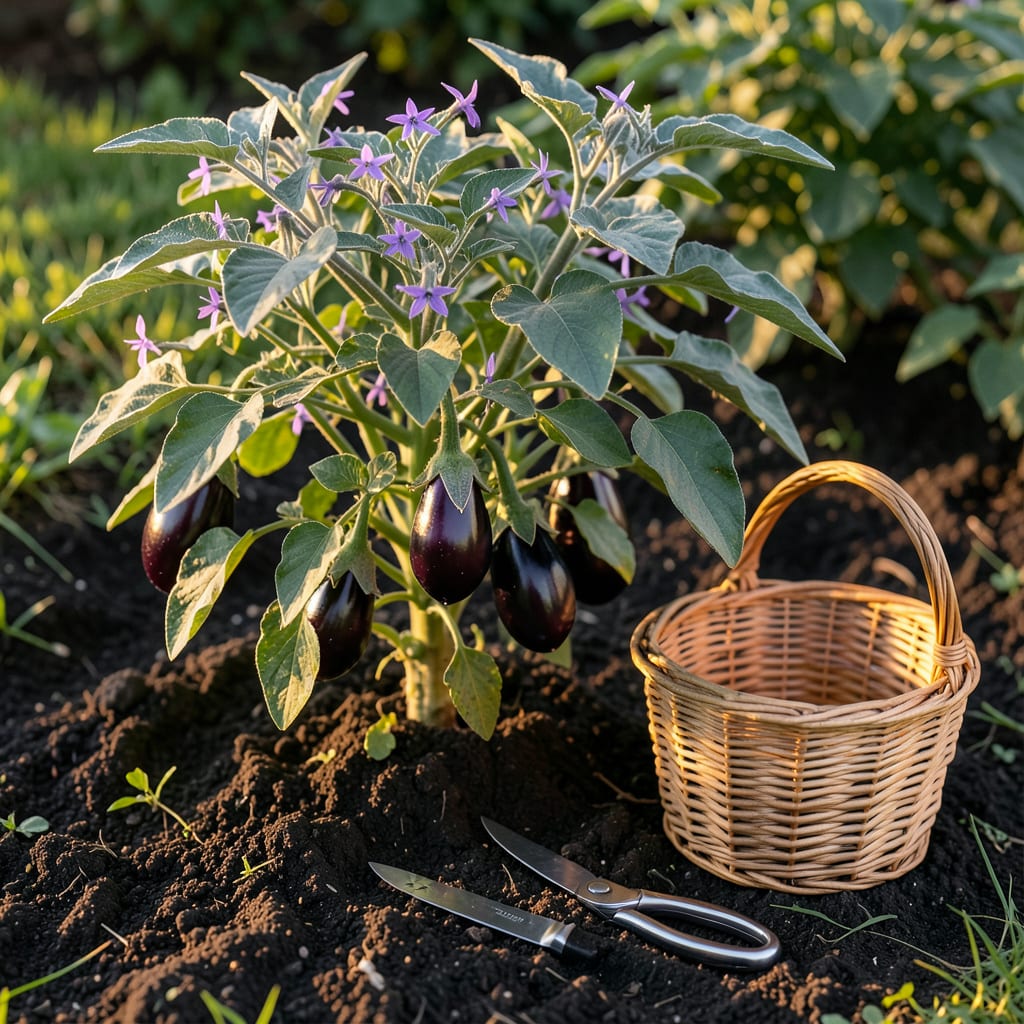
I know that moment of doubt when staring at your Japanese Eggplant 🍆 – is it ready or not? Picking too soon means a lackluster taste, but waiting too long brings bitterness.
Let me share the easiest way to spot that perfect harvest window. With these simple signs, you’ll never second-guess your Japanese Eggplant again.


I always check the skin sheen first when determining if my Japanese Eggplant is ready. A glossy, deep purple color signals peak ripeness, while dull skin means it needs more time. This variety’s slender shape makes color changes particularly noticeable.
The firmness test is my next go-to method. Gently press the fruit—it should feel firm but yield slightly under pressure. If it’s rock hard, it’s not ready. If it’s soft, you’ve waited too long.
| Maturity Sign | What to Look For |
|---|---|
| Skin Appearance | Glossy, deep purple-black |
| Firmness | Slight give when pressed |
| Size | 6-8 inches long |
| Stem Condition | Green and healthy |
Size matters with Japanese Eggplant. These should reach 6-8 inches long before picking. I measure mine regularly as they approach maturity to catch that perfect window.
The stem condition tells a story too. A green, healthy stem means the fruit is still actively growing. If the stem starts to yellow or dry out, harvest immediately.
I’ve learned that color consistency is key. The entire eggplant should be uniformly deep purple with no green patches. Any uneven coloring suggests it’s not quite ready.
For the best flavor, I harvest in the morning when temperatures are cooler. This helps preserve the eggplant’s tender texture and prevents wilting.
Remember that Japanese Eggplant matures faster than globe types. While standard eggplants might take 80 days, these slender varieties are often ready in 50-70 days from transplanting.
I check my plants every 2-3 days once they start producing. These eggplants can go from perfect to overripe surprisingly quickly, especially in warm weather.
Finally, trust your instincts. If the eggplant looks vibrant and healthy with all the right signs, it’s probably ready. The more you harvest, the more confident you’ll become at spotting that perfect moment.
☀️
I’ve seen many gardeners struggle with harvesting timing for Japanese Eggplant. Picking too early often results in bitter, underdeveloped fruit with a tough texture. The skin may look shiny, but the flesh inside won’t have reached its peak sweetness yet.
Waiting too long brings its own problems. Overripe Japanese Eggplant becomes soft and seedy, with a dull skin color that signals it’s past its prime. The flavor turns bitter, and the texture becomes mealy rather than tender.
Too Early: Dull skin, very firm, smaller than 4 inches — lacks flavor and texture.
Too Late: Soft flesh, pale color, seeds fully developed — becomes bitter and tough.
Another common mistake is ignoring the stem condition. A yellowing or drying stem means the eggplant is no longer actively growing and should have been harvested days ago. I always check the stem color as part of my ripeness routine.
Size can be misleading too. While 6-8 inches is ideal, some gardeners assume bigger is better. Oversized eggplants are often overripe, even if they still look glossy. Stick to the recommended size range for the best flavor and texture.
Weather plays a role in ripeness as well. In hot climates, eggplants may mature faster, requiring more frequent checks. I make it a habit to inspect my plants daily in summer to catch the perfect harvest window.
Finally, don’t overlook color uniformity. Green patches or streaks on the skin indicate the eggplant isn’t ready. A truly ripe Japanese Eggplant will have a consistent, deep purple-black hue all over.
✂️
I always use sharp pruners or garden shears for harvesting Japanese Eggplant. This prevents damage to the plant and ensures a clean cut. Never pull the fruit off by hand, as this can harm the stem and reduce future production.
Cut the eggplant 1 inch above the fruit where the stem meets the main plant. This leaves enough stem to prevent rot while allowing the plant to continue growing. I make sure my tools are clean and sterilized to prevent disease spread.
Timing your harvest in the early morning helps preserve the eggplant’s moisture and flavor. I’ve noticed my morning-picked eggplants stay fresher longer and have a sweeter taste compared to those harvested in the heat of the day.
Regular harvesting actually encourages more production. I make it a point to check my plants every 2-3 days during peak season. The more you pick, the more the plant will produce, extending your harvest window.
After harvesting, I immediately cool the eggplants in a shaded area. This prevents wilting and maintains their firm texture. Store them in a cool, dry place and use within a week for the best quality.
☀️
Look for dull or pale skin and a very firm texture when pressed. If it’s smaller than 4 inches, it needs more time on the vine to develop proper flavor and texture.
Overripe eggplants become soft, develop fully formed seeds, and turn bitter. The skin loses its glossy appearance, and the flesh turns mealy instead of tender.
Always pick in the morning when temperatures are cooler. This preserves moisture and flavor, and prevents wilting. The eggplants will stay fresher longer.
Inspect every 2-3 days in moderate weather, or daily in hot climates. These slender varieties mature quickly, so frequent checks ensure you catch them at peak ripeness.
