
Beautiful Plants For Your Interior
Beautiful Plants For Your Interior
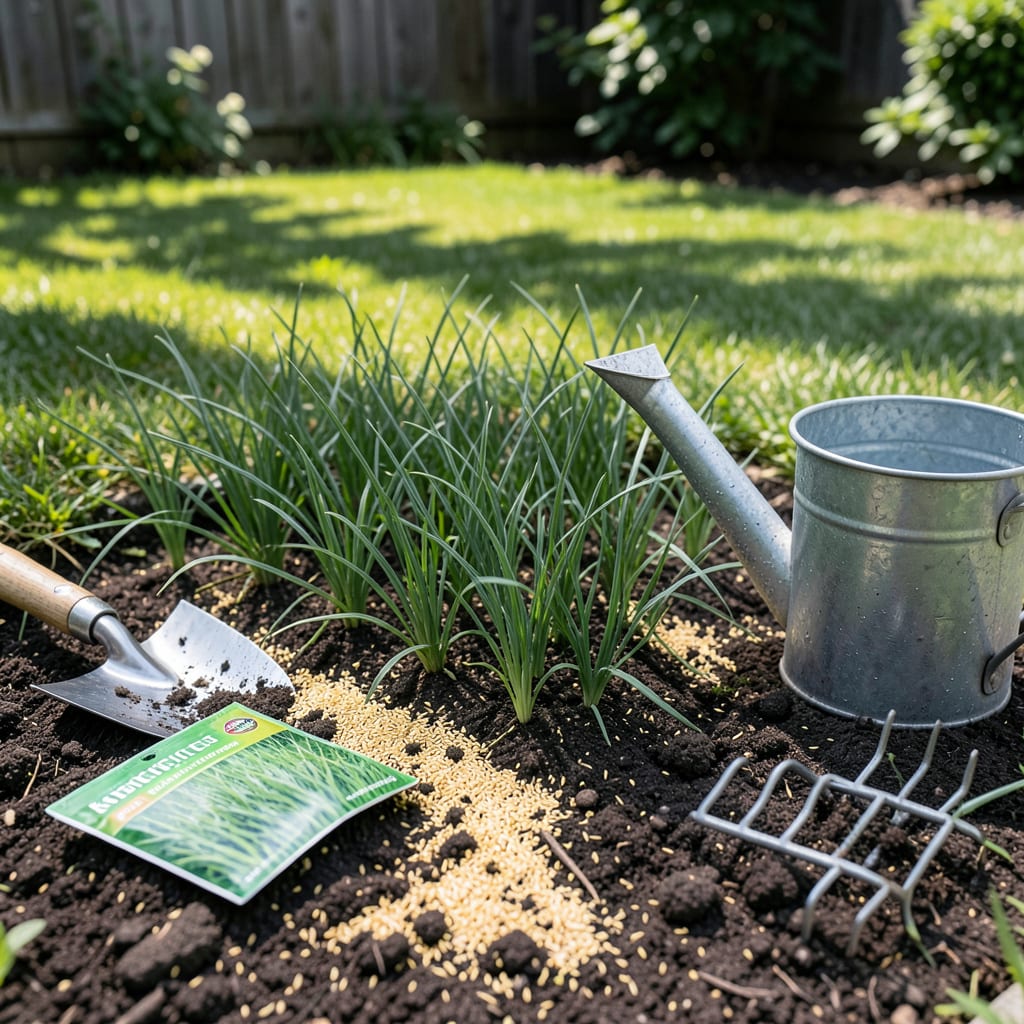
That moment when you finally grab your grass seed—only to wonder if you’ve already missed your chance. I’ve been there, staring at a patchy lawn while spring slips away. The truth? Timing isn’t just important—it’s everything for lush, healthy growth.
Plant too late, and your 🌱 grass seed faces a brutal summer gauntlet: scorching heat, thirsty soil, and weak roots. But don’t panic—there’s still a smart way forward. Let’s break down the exact deadlines for your zone and what to do if you’re cutting it close.
If you’re wondering when it’s too late to plant grass seed in spring, the answer depends heavily on where you live. In cooler northern zones (3-5), you’ve got until early June before summer heat becomes risky. But in warmer southern zones (7-10), your window slams shut by mid-May.
The magic number isn’t just the calendar date—it’s soil temperature. Grass seeds need consistent 50-65°F soil to germinate properly. Once daytime temps hit 85°F+, young seedlings struggle with heat stress. That’s why I always check my local frost-free date and count backward.
| USDA Zone | Cool-Season Grasses | Warm-Season Grasses | Latest Safe Date |
|---|---|---|---|
| 3-4 | Kentucky Bluegrass, Fescue | Not recommended | May 15 |
| 5-6 | Tall Fescue, Ryegrass | Bermuda, Zoysia | May 31 |
| 7-8 | Not recommended | Centipede, St. Augustine | May 1 |
| 9-10 | Not recommended | Bahia, Buffalo | April 15 |
Pro Tip: Adjust dates by 1-2 weeks based on current year’s weather. A late frost? Push your date forward.
For cool-season grasses like Kentucky bluegrass or fescue, I stop planting by June 1 in Zone 6. These grasses thrive in 60-75°F air temps and hate summer heat. If you’re planting warm-season varieties like Bermuda or Zoysia, you’ve got until early summer—but they need 80°F+ soil to sprout.
The real danger of late planting isn’t just poor germination—it’s summer stress. Young grass needs consistent moisture for 4-6 weeks to establish. If you’re planting in late May/June, you’ll be fighting evaporation rates 3x higher than in April. That means daily watering just to keep seeds alive.
Here’s my rule of thumb: If your area typically hits 90°F by July, subtract 8 weeks from that date. That’s your absolute latest planting time. For example, in Zone 7 where 90°F arrives by June 20, I stop seeding by April 25. It’s better to wait for fall than battle summer drought.
If you’re pushing the late-spring limit, consider shade strategies. Planting near tall trees or on the north side of buildings can buy your seeds an extra week or two. Just remember that most grasses need at least 4 hours of sun daily, even the shade-tolerant varieties.
I’ve made the mistake of late planting—trust me, it’s heartbreaking to watch seeds sprout then fry in July heat. One year I planted tall fescue on June 10 in Zone 6. Despite daily watering, only 30% survived the summer. Now I use that patch as my “too late” indicator for neighbors asking about timing!☀️
For those in transition zones (like Zone 6-7), you’ve got a tricky choice: cool-season grasses planted late may struggle, while warm-season grasses might not establish before winter. In these cases, I recommend overseeding thin areas rather than full lawn planting, or waiting for late summer/early fall when conditions improve.🌱
I’ve seen it too many times—gardeners rushing to plant grass seed in late May, only to watch their efforts wilt under summer’s fury. The problem isn’t just the calendar; it’s the hidden stress factors that turn your lawn into a battleground. Here’s how to spot when you’ve missed the spring window.
First, check your daily high temperatures. Once your area consistently hits 85°F or higher, germination rates plummet. Cool-season grasses like Kentucky bluegrass stop sprouting reliably above 80°F, while even warm-season varieties struggle with soil moisture loss in extreme heat.
If your soil is dry and compacted despite watering, you’ve missed the window. New seeds need moist, loose soil to establish roots—something nearly impossible to maintain in late-spring heat.
When crabgrass and dandelions dominate your lawn, they’re stealing water and nutrients. Planting seed now means competing with established weeds, which almost always win in summer conditions.
If your 10-day forecast includes 90°F+ temps with no rain, your seeds will bake before sprouting. Young grass needs daily watering for 4-6 weeks—something most gardeners can’t sustain in summer.
Another red flag? Your existing grass is browning. If mature lawns are struggling with heat, your tender new seedlings don’t stand a chance. I learned this the hard way when I planted tall fescue in Zone 6 on June 5—only to watch it crisp up by July.
Here’s a quick test: Dig a 2-inch hole in your planting area at noon. If the soil feels warm to the touch (like a sunny sidewalk), it’s too late. Ideal germination happens in 50-65°F soil, not the 75°F+ you’ll find in late spring.
If you’re seeing these signs, don’t despair—just shift your strategy. Focus on overseeding thin patches rather than full lawns, or use drought-tolerant mixes like tall fescue with deep roots. Better yet, start prepping for fall planting, when cooler temps and autumn rains give seeds their best shot.🌱
Remember, grass seed isn’t like vegetables—it won’t “catch up” if planted late. I’ve tried extra watering, shade cloth, even midnight planting (yes, really) to beat the heat. Nothing replaces the ideal spring window, so when in doubt, wait for fall.☀️
So you checked the calendar and realized—you’re way past the ideal spring planting time. Don’t panic! I’ve helped dozens of gardeners salvage their lawns after missing the window. The key is adjusting your approach instead of forcing a losing battle with summer heat.
First, consider overseeding thin areas rather than planting an entire lawn. Focus on bare patches where existing grass is sparse. Use a drought-tolerant mix like tall fescue or fine fescue, which handles heat better than Kentucky bluegrass. I’ve had success with Pennington Smart Seed mixes in late spring—they germinate faster and need less water.
If you’re determined to plant now, try this emergency strategy: Prepare the soil with compost to retain moisture, then lay straw mulch (not hay!) over seeds. Water twice daily—morning and evening—for the first two weeks. I’ve saved late plantings this way, but it requires serious commitment.
For immediate curb appeal without the risk, consider sod patches for problem areas. While pricier, sod gives instant grass that’s already heat-hardened. I used sod last year for a July 4th party and it held up beautifully despite 90°F temps. Just keep it watered deeply 3x weekly for the first month.
If all else fails, shift focus to lawn prep for fall. Test your soil pH (aim for 6.0-7.0), aerate compacted areas, and apply a slow-release fertilizer now. Come September, you’ll have the perfect seedbed ready. Remember, fall planting often yields better results than spring anyway!🌱
I’ll be honest—I’ve tried every late-planting trick in the book. The only foolproof solution? Patience. One year I waited until Labor Day weekend to plant tall fescue in Zone 6. With half the watering effort, I got twice the germination compared to my late spring attempts. Sometimes the best action is strategic waiting.☀️
Cool-season grasses like Kentucky bluegrass struggle above 80°F, but warm-season varieties (Bermuda, Zoysia) can still germinate if soil stays above 70°F. Expect slower growth and daily watering requirements for success.
In Zone 5, stop planting cool-season grasses by May 31 to avoid summer heat stress. Warm-season grasses need to go in by early June at the latest. After that, focus on fall prep for better results.
Dig 2 inches deep at noon—if the soil feels warm to touch (like a sunny sidewalk), it’s too hot. Ideal germination happens in 50-65°F soil. Use a soil thermometer for accuracy, or wait until fall.
Yes! Sod provides instant grass that’s already heat-hardened. While pricier, it requires less watering than seeds and establishes faster. Water deeply 3x weekly for the first month to help roots take hold.
Opt for drought-tolerant mixes like tall fescue or fine fescue. These handle heat better than Kentucky bluegrass and need less water. Avoid warm-season grasses if summer is almost over—they won’t establish in time.
