
Beautiful Plants For Your Interior
Beautiful Plants For Your Interior
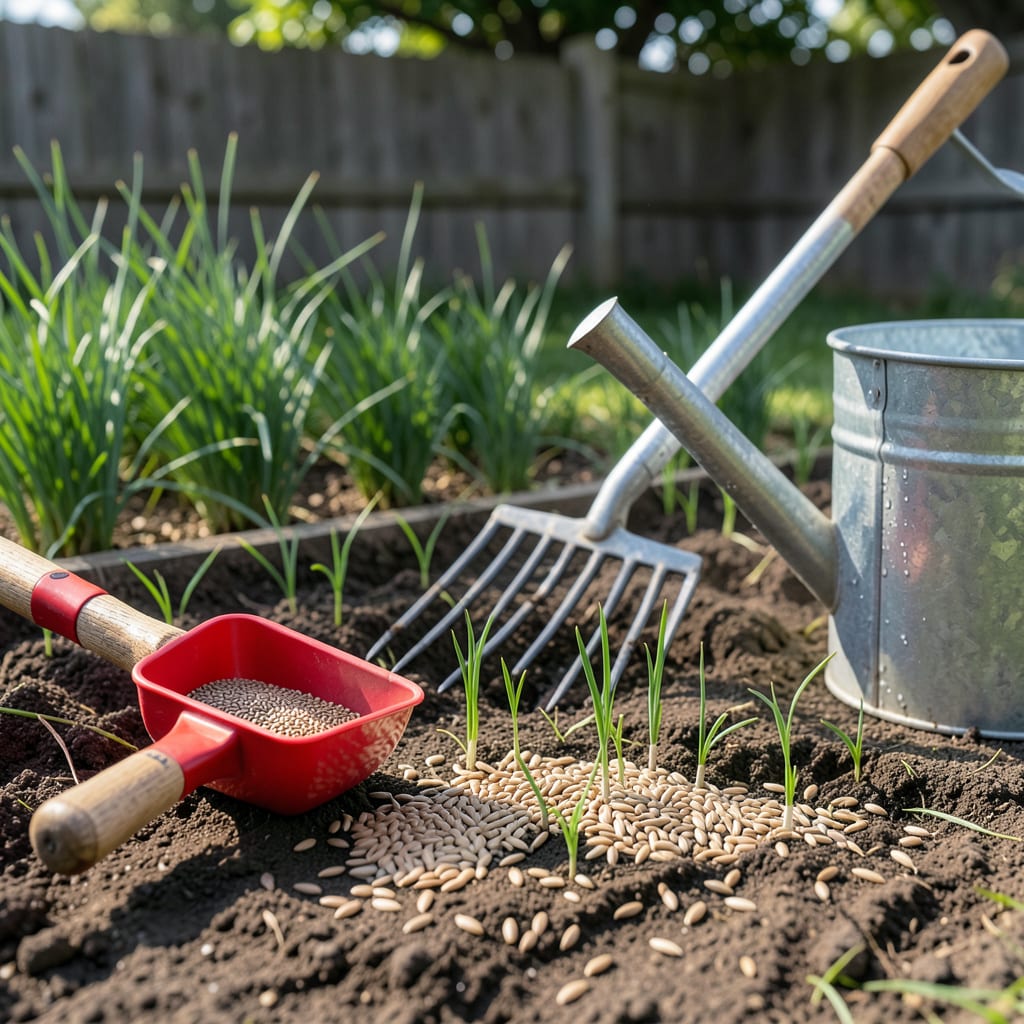
That perfect North Carolina lawn starts with one critical decision: when to plant your grass seed. Miss the window, and you’re looking at patchy growth or winter die-off—no one wants that after all the effort.
I’ve helped dozens of homeowners avoid this mistake by nailing the timing for their region. Whether you’re in the mountains or along the coast, we’ll break down the exact deadlines for cool and warm-season grasses—so you can plant with confidence, not guesswork.
If you’re planting grass seed in North Carolina, your success hinges on two things: grass type and region. The Tar Heel State spans USDA zones 6a–8b, meaning planting windows vary dramatically from the mountains to the coast.
Cool-season grasses like tall fescue and Kentucky bluegrass thrive when planted in early fall, while warm-season varieties like Bermudagrass need late spring heat. The key? Soil temperature—not just the calendar date.
| Grass Type | Ideal Planting Window | Latest Recommended Date | Soil Temp Requirement |
|---|---|---|---|
| Tall Fescue | Sept 1 – Oct 15 | Oct 31 (Piedmont) | 50–65°F |
| Kentucky Bluegrass | Sept 15 – Oct 15 | Oct 15 (Mountains) | 50–65°F |
| Bermudagrass | April 15 – June 15 | July 1 (Coastal) | 65–70°F+ |
| Zoysiagrass | May 1 – June 30 | June 15 (Piedmont) | 70°F+ |
Note: Coastal regions have a 2-week later deadline than Mountains.
In the mountains (Zone 6-7a), frost arrives earlier—so your cool-season grass deadline is typically October 15. Push past this, and young roots may not survive the first hard freeze. I’ve seen too many lawns struggle after late plantings.
For warm-season grasses, the soil must stay above 65°F for germination. Plant Bermudagrass after July 1 in most regions, and you’re rolling the dice on establishment before winter dormancy. The Coastal Plain buys you an extra week or two.
The Piedmont region (Zone 7b) is the Goldilocks zone—moderate frost dates mean you can plant tall fescue up to October 31 with good success. But Zoysiagrass planted after June 15 often struggles to root deeply before summer heat.
Here’s my pro tip: Check soil temps with a cheap thermometer (available at garden centers). For cool-season grasses, aim for 50–65°F at 2-inch depth. Warm-season grasses need 70°F+. Don’t guess—measure!
If you’re in the coastal areas, you’ve got more flexibility. The first frost date is often November 15–30, so you can plant tall fescue as late as November 1 in mild years. But Bermudagrass planted after July 15 rarely thrives.
Remember, these deadlines aren’t arbitrary—they’re based on root establishment time. Cool-season grasses need 45–60 days before frost. Warm-season grasses need 90 days of warm soil. Plant too late, and you’re setting yourself up for a weak lawn next year.
Still unsure? The NC State Extension offers real-time soil temperature maps. I check them religiously when advising clients. A quick search for “NC soil temps” will pull up the latest data—it’s a game-changer for precise timing.
And if you’ve missed the window? Don’t panic. Spring overseeding or sod installation can salvage your lawn—we’ll cover those options later. But for now, mark these deadlines on your calendar and set a reminder!
🌱Planting grass seed after the ideal window closes in North Carolina isn’t just about slower growth—it can lead to serious long-term problems. I’ve seen homeowners struggle with weak root systems that never fully recover, leaving lawns vulnerable to stress and disease.
The biggest issue? Frost damage for cool-season grasses like fescue. When planted too late, tender new sprouts can’t handle that first hard freeze. Warm-season grasses face the opposite problem—drought stress if planted when summer heat is fading but roots aren’t established.
💡 Pro Tip: If you must plant late, increase seed rate by 25% and use starter fertilizer.
One often-overlooked risk is soil temperature drop-off. Grass seeds need consistent 50-65°F soil temps to germinate properly. In western NC, mountain areas can see soil temps plummet 3 weeks earlier than the Piedmont region.
Late-planted warm-season grasses like Bermudagrass face reduced winter hardiness. Without enough time to establish, they enter dormancy weakened and may not green up well in spring. I’ve seen entire lawns need reseeding the following year because of this.
Weed competition becomes brutal with late planting. Winter annual weeds like chickweed and henbit germinate in fall and will outcompete your grass if it’s not well-established. This creates a vicious cycle where weeds dominate and require herbicides that further stress young grass.
If you’re in eastern NC’s Coastal Plain, late planting brings extra moisture risks. Higher humidity and occasional tropical storms can lead to seed rot or fungal issues. Always check the 10-day forecast before planting—if heavy rain is coming, delay until conditions improve.
The good news? You can mitigate these risks with proper care. Use mulch cover to insulate soil, avoid heavy foot traffic, and consider growth blankets if a surprise cold snap hits. But honestly? It’s always better to wait for the right window than rush a late planting.
So you checked the calendar and realized—oops!—you missed the optimal planting window for your North Carolina lawn. Don’t panic. While timing is crucial, you still have viable options to establish a healthy lawn, even if it’s not the “perfect” season.
First, assess where you are in the growing season. If it’s late fall and you missed the cool-season window, consider overseeding existing grass with a hardy variety like tall fescue. It’s more forgiving than Kentucky bluegrass and can still germinate in cooler soil.
Pro Tip: If planting in late November, use winter ryegrass as a temporary cover.
If you’re dealing with warm-season grasses like Bermudagrass or Zoysiagrass, your best bet is to wait until next spring. These grasses need warm soil (70°F+) to establish, and late summer plantings rarely survive winter dormancy. Instead, focus on soil preparation now—test pH, add compost, and control weeds.
For those in the Coastal Plain, you’ve got a slight advantage. The milder winters mean you can sometimes sneak in tall fescue as late as early December if the weather cooperates. Just be ready to cover tender sprouts if a cold snap hits. I’ve had clients succeed with this, but it requires daily monitoring of temperatures.
Another smart move? Sod installation. While pricier than seed, sod gives you instant grass that can root before winter. It’s ideal for small areas or high-traffic zones. Just ensure the soil is loose and moist before laying it, and water deeply for the first two weeks. This method works well even in late fall for cool-season grasses.
Finally, if all else fails, use this time to plan for spring. Take soil samples, research grass varieties suited to your region, and mark your calendar for early March (cool-season) or late April (warm-season) planting. Sometimes patience pays off with a healthier, more resilient lawn in the long run.
🌿Only in the Coastal Plain region with mild winters. Tall fescue might germinate if planted by early December and soil temps stay above 50°F. In the Piedmont or Mountains, December planting rarely succeeds due to frost risks.
For most regions, July 1 is the cutoff. Coastal areas can push to July 15 due to warmer soil. Planting later risks poor root establishment before winter dormancy. Warm-season grasses need 90 days of growth before cold weather.
Yes, but with caveats. Cool-season grasses can be overseeded in March-April, while warm-season varieties should wait until late April-May. Spring plantings require more watering and weed control than fall plantings.
Use a soil thermometer at 2-inch depth. Cool-season grasses need 50-65°F, while warm-season types require 70°F+. NC State Extension offers real-time soil temp maps online for precise timing.
For late-season establishment, sod is superior. It provides instant coverage and roots quickly. Seed struggles with late planting due to temperature fluctuations. Sod costs more but gives reliable results when time isn’t on your side.
