
Beautiful Plants For Your Interior
Beautiful Plants For Your Interior
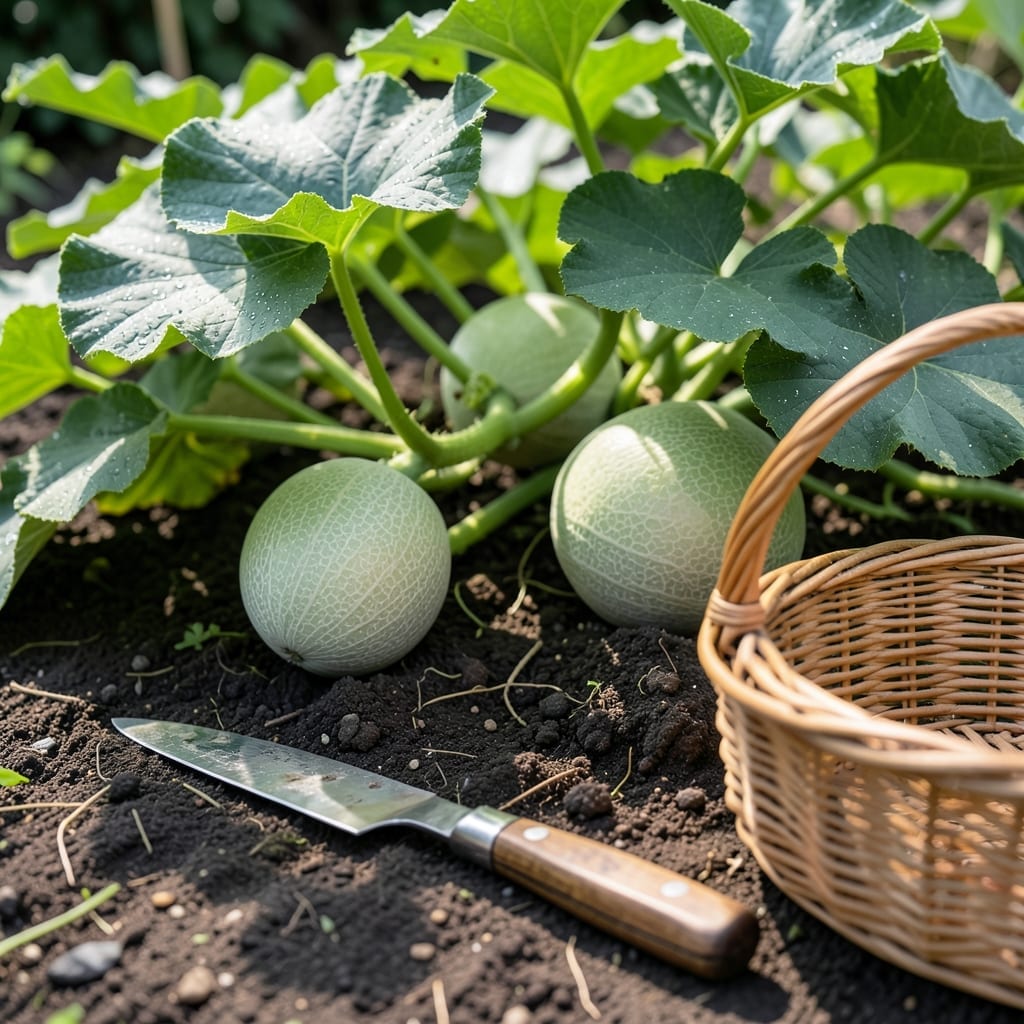
Nothing beats the sweet, juicy crunch of a perfectly ripe 🍈 Honeydew melon fresh from the garden. Timing is everything when you want that peak flavor experience.
As a gardener in zone 6, I’ve learned that planting in spring sets you up for success. The real magic happens when you know exactly when to expect your harvest.
Let me share the seasonal secrets that will help you grow and pick Honeydew at its absolute best. You’ll be enjoying that refreshing taste all summer long.
If you’re growing honeydew melons in your garden, knowing the regional harvest windows is key to planning. The U.S. has distinct climate zones that affect planting and picking times significantly.
In my experience, warmer regions like the South and West Coast enjoy longer growing seasons. Cooler areas need careful timing to avoid frost damage to tender vines.
🌱 U.S. Honeydew Harvest Timeline
| Region | Planting Window | Harvest Season |
|---|---|---|
| West Coast | March – April | June – August |
| Midwest | May – June | August – September |
| South | February – April | May – July |
| Northeast | May – June | July – September |
The West Coast benefits from mild winters and early springs. Gardeners here can start seeds indoors in February for an early harvest by June.
In the Midwest, we wait until soil warms to at least 60°F before planting. The shorter season means we often use black plastic mulch to speed up warming.
The South has the luxury of two potential crops. An early planting in February can yield melons by May, while a late summer planting can produce a fall harvest.
For Northeast gardeners, the window is tight. We plant in late May after the last frost and often use row covers to protect young plants from unexpected chills.
Remember that local microclimates can shift these timelines. I always check my soil temperature with a thermometer before planting, as cold soil can delay germination.
Another factor is variety selection. Some early-maturing varieties can shave 10-15 days off the typical 80-day growth period, which is crucial in shorter seasons.
No matter your region, consistent watering is vital, especially during fruit development. I find that drip irrigation works best to keep foliage dry and prevent disease.
☀️Knowing the perfect harvest moment for honeydew melons ensures the sweetest flavor. I’ve found that visual and tactile cues are more reliable than guessing based on days since planting.
The first sign I look for is a color change in the rind. As honeydew matures, it shifts from bright green to a cream or pale yellow hue, especially on the side touching the ground.
🌱 Top Ripeness Indicators
I always check the stem end of the melon. When it gives slightly under gentle pressure, that’s a sure sign it’s ready. This is different from the blossom end, which should remain firm.
A strong sweet aroma at the stem end is another giveaway. If I can smell that characteristic honeydew fragrance, I know it’s time to harvest. This scent develops as the sugar content increases.
The sound test works well too. When I tap a ripe honeydew, it produces a deep, hollow sound. An immature melon will sound more solid and dull.
Finally, I watch the vines themselves. As honeydew approaches ripeness, the vine nearest the fruit often begins to brown and wither. This is nature’s way of telling you the melon is ready to separate from the plant. ☀️