
Beautiful Plants For Your Interior
Beautiful Plants For Your Interior
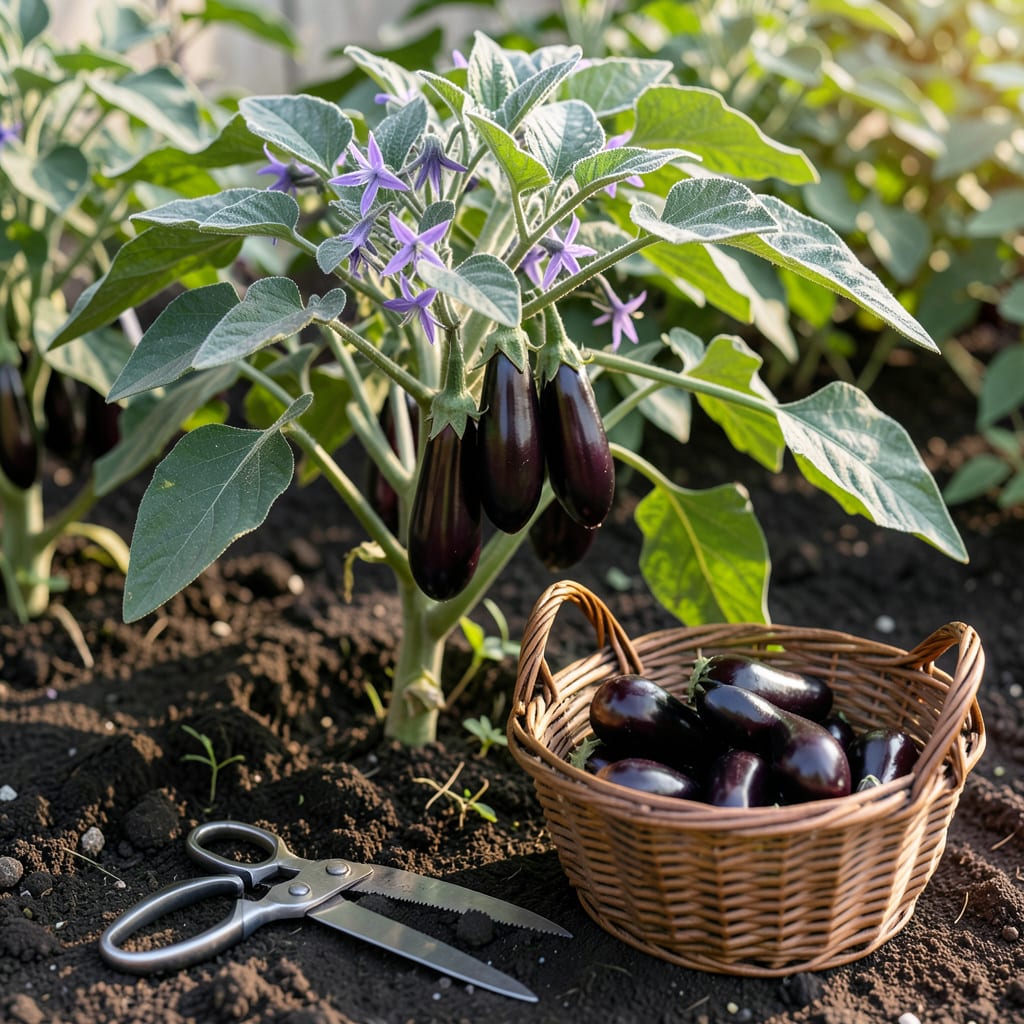
Nothing beats the satisfaction of harvesting perfectly ripe 🍆 Eggplant from your garden. But how do you know when they’re ready?
I’ll show you the exact visual and touch cues to look for, so you never pick too early or too late. Discover the foolproof signs that guarantee peak flavor and texture.


I always check for a glossy, taut skin first—it’s the most reliable indicator that my eggplants are nearing ripeness. A dull or matte finish usually means they need more time on the vine. ☀️
The color deepens as eggplants mature, whether it’s the classic purple-black or a white, green, or striped variety. Uniform color without pale spots signals they’re ready for picking. 🌱
| Sign | What to Look For |
|---|---|
| Skin Texture | Smooth, shiny, and firm |
| Color | Rich, consistent hue for variety |
| Size | 4-8 inches long (varies by type) |
| Stem | Green and healthy, not woody |
Size matters too—most eggplant varieties reach 4-8 inches long when ripe. Smaller types like Japanese eggplants may max out at 3-4 inches, so know your specific plant’s mature size. ✂️
I gently press the fruit with my thumb—if the flesh springs back quickly, it’s ripe. If it leaves an indentation or feels soft, it’s either overripe or underripe. This thumb test works for all eggplant types.
Check the stem and calyx (the green cap on top). A fresh green stem means the eggplant is still actively growing. If it’s turning brown or woody, the fruit may be past its prime.
For white or green eggplants, the color change can be subtle. I look for a creamy white or pale green that’s even all over. Any yellowing often means it’s overripe or stressed.
Timing also depends on the days to maturity for your variety. Most eggplants take 60-80 days from transplanting. I mark my calendar to start checking around this window.
If you see seeds inside that are dark and hard, the eggplant is overripe. Ideal fruit will have small, soft seeds that are barely noticeable when sliced open.
Finally, I harvest in the morning when temperatures are cooler. This helps preserve the eggplant’s firmness and flavor. Use pruning shears or a sharp knife to avoid damaging the plant. 🌿
I’ve learned the hard way that harvesting too early leads to bitter, underdeveloped fruit. Eggplants need that full 60-80 day window to develop their best flavor and texture. 🌱
Waiting too long is another common pitfall. Overripe eggplants become soft, seedy, and less flavorful. The thumb test helps avoid this—press gently and look for that perfect bounce-back.
⚠️ Avoid These Harvest Errors
I never twist or pull eggplants off the vine. This can damage the plant and leave the fruit bruised. Always use clean pruning shears or a sharp knife to cut the stem cleanly. ✂️
Another mistake is ignoring variety specifics. Italian eggplants grow larger than Japanese ones. I check the seed packet for the expected mature size and adjust my expectations accordingly.
Overlooking the calyx (the green cap) is a subtle but important error. If it’s wilting or discolored, the eggplant may be past its prime, even if the skin looks good.
Finally, I avoid harvesting during rain or when plants are wet. This can spread disease and make the fruit prone to rot. Always wait for dry conditions to pick. 🌿
I rely on the thumb press test as my go-to method for checking eggplant ripeness. It’s simple but incredibly effective for determining if the fruit is at its peak. 🌱
Gently press your thumb into the eggplant’s skin. If it springs back quickly with slight resistance, it’s ripe. If it stays indented or feels too hard, it needs more time.
🌿 Thumb Press Test Steps
For Italian eggplants, I look for a bit more give since they’re larger. Japanese varieties should feel firmer due to their smaller size and denser flesh. ✂️
If the eggplant feels spongy, it’s overripe. If it’s rock-hard, it’s underripe. The sweet spot is that perfect balance of firmness with just a hint of softness.
I always test multiple fruits on the same plant. Ripeness can vary, and this helps me decide which ones to harvest first. Consistency is key for the best flavor. 🌿
Check for a dull or pale color and firm, hard flesh that doesn’t spring back. Underripe eggplants also often feel smaller than expected for the variety.
Yes, overripe ones develop soft, spongy flesh and dark, hard seeds. The skin may look wrinkled, and the flavor turns bitter. Harvest when the thumb test shows slight give.
Italian eggplants reach 6-8 inches, while Japanese types max out at 3-4 inches. Always check your seed packet for the expected mature size.
Harvest in the cool morning hours when temperatures are lower. This preserves the eggplant’s firmness and flavor. Avoid picking when plants are wet or during rain.
