
Beautiful Plants For Your Interior
Beautiful Plants For Your Interior
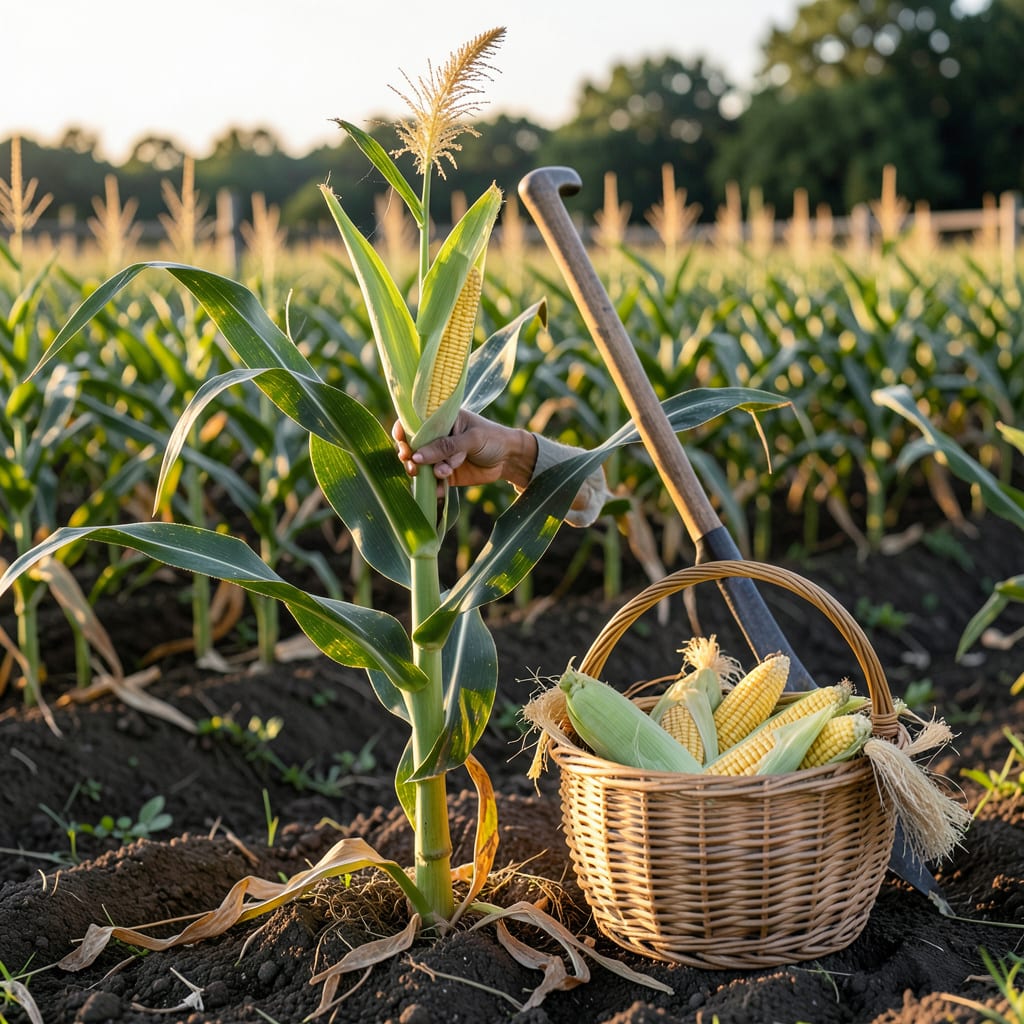
There’s nothing quite like biting into a freshly picked ear of 🌽 corn—sweet, juicy, and bursting with flavor. But timing is everything. Pick too soon, and you’ll get underdeveloped kernels; wait too long, and the sugar turns starchy.
I’ve learned the hard way that the difference between perfect corn and a disappointing harvest comes down to a few key signs. Let me show you exactly what to look for so you never second-guess your timing again.


Timing is everything when picking corn. Too early, and the kernels are underdeveloped; too late, and they’ll be starchy. I’ve learned the hard way that visual cues are far more reliable than guessing. Let’s break down the five key indicators that tell you it’s go time.
First, check the silk tassels at the top of each ear. When they turn from pale yellow to dry brown, it’s a strong signal. But don’t stop there—silk color alone isn’t foolproof. You’ll want to combine this with other signs for the best results.
The thumb test is my favorite trick. Gently press a kernel with your thumbnail—if it releases a milky liquid, it’s perfect. Clear juice means it needs more time; thick, doughy liquid means you’ve waited too long. This test works for all sweet corn varieties.
Don’t ignore the husk appearance. A ready ear will have a slightly loose husk that peels back easily. If it’s clinging tightly or feels thin, the kernels inside aren’t fully developed yet. The husk should also feel dry to the touch, not damp.
Pay attention to the ear’s weight and shape. A mature ear will feel heavy for its size and have a rounded, not pointed, tip. If the ear tapers sharply, it’s still filling out. I like to compare ears on the same stalk—consistency is key!
Weather plays a role too. Hot, dry conditions can speed up maturity by a few days, while cool, wet weather might delay it. I always check my corn daily once the silks start browning. Missing the 3-5 day peak window means sacrificing sweetness.
If you’re growing heirloom or specialty varieties, adjust your expectations. ‘Golden Bantam’ matures faster (around 70 days), while ‘Ambrosia’ might need 80+ days. Always refer to your seed packet for the days-to-maturity range.
Pro tip: Harvest in the early morning when sugars are highest. Use a sharp knife or twist the ear downward to snap it cleanly from the stalk. Avoid pulling—this can damage the plant and remaining ears. Store unshucked ears in the fridge for best flavor retention.
Remember, corn doesn’t ripen further after picking. If you’re unsure, it’s better to wait a day and test again. Once you’ve nailed the timing, you’ll be rewarded with that unbeatable sweet, crisp crunch that store-bought corn just can’t match. 🌱
Not all corn varieties ripen at the same time, and knowing your specific type is key to perfect timing. Early-season corn like ‘Golden Bantam’ can be ready in as few as 60 days, while late-season types may need 100 days or more.
Climate plays a big role too—cooler regions might push harvest times later, while warm zones could speed things up. I always check the seed packet for exact days to maturity, then adjust based on my local growing conditions and recent weather patterns.
| Variety Type | Days to Harvest | Best Climate | Key Traits |
|---|---|---|---|
| Early-Season | 60-70 days | Cool summers | Smaller ears, fast growth |
| Mid-Season | 75-85 days | Moderate climates | Balanced sweetness, reliable |
| Late-Season | 90-100 days | Long warm seasons | Larger ears, extra sweet |
🌽 Note: Adjust timelines for local frost dates and temperature swings.
For sweet corn lovers, varieties like ‘Peaches and Cream’ (mid-season) or ‘Ambrosia’ (late-season) are top picks. These hybrids are bred for extra sugar content, but their harvest window is tighter—pick them within 3-5 days of peak ripeness.
Field corn (used for animal feed or flour) has different cues. It stays on the stalk longer until kernels harden into the “dent stage”. If you’re growing both types, I recommend labeling rows to avoid mixing up harvest times.
Pro tip: When planting multiple varieties, stagger sowing dates by 2-3 weeks to extend your harvest season. This way, you’ll have fresh corn for 6-8 weeks instead of one big harvest rush.
Remember that soil temperature affects growth speed—corn planted in cool soil (below 60°F) will take longer to mature. Use a soil thermometer to track progress if your season is running unusually hot or cold.
Finally, keep notes each year! I jot down first silk dates and harvest dates in my garden journal. Over time, you’ll spot patterns that help predict your corn’s perfect picking moment with precision. 🌱
Even experienced gardeners can mess up corn harvest timing. I’ve made my share of mistakes—like picking too early or waiting until the kernels turned starchy. The good news? These errors are easy to avoid once you know what to watch for.
The biggest blunder I see is harvesting based on silk color alone. While brown silk is a good sign, it’s not the only indicator. I’ve had ears with dry silk that still needed 3-4 more days to reach peak sweetness. Always combine multiple checks!
Another common issue is ignoring the harvest window. Sweet corn stays at peak ripeness for just 3-5 days. After that, sugars rapidly convert to starch. I set phone reminders to check my corn daily once silks start browning.
Weather extremes throw off timing too. During heat waves, corn can mature 2-3 days faster than expected. In cool, wet spells, it might take a week longer. I adjust my checks based on the forecast—hot weather means earlier picking.
Many gardeners also mishandle ears during harvest. Pulling or twisting can damage the stalk and other developing ears. Instead, use a sharp knife to cut the ear cleanly, or push it downward with a quick twist. Store unshucked ears in the fridge to preserve sweetness.
Finally, don’t forget that variety matters. ‘Golden Bantam’ might be ready at 70 days, while ‘Ambrosia’ needs 85+ days. I keep seed packets or plant tags handy to double-check maturity ranges for each type I grow. 🌱
Start checking daily once the silks begin turning brown. The perfect harvest window is only 3-5 days, so frequent checks prevent missing it. Hot weather can speed this up by 2-3 days.
Pick in the early morning when sugar content is highest. Avoid midday heat, which can cause sugars to break down faster. Store unshucked ears in the fridge immediately to lock in sweetness.
Yes, but wait until the husks dry to avoid trapping moisture. Wet conditions can encourage mold growth. If rain is forecasted during peak ripeness, harvest early to prevent waterlogged kernels.
This happens when corn is picked too late. Sugars convert to starch within 5 days of peak ripeness. Always do the thumb test—milky liquid means perfect timing, while doughy liquid means it’s overripe.
Harvest only ripe ears to allow others to mature. Use a sharp knife or twist downward gently—never pull. Leaving unripe ears helps the plant focus energy on remaining harvests.
