
Beautiful Plants For Your Interior
Beautiful Plants For Your Interior
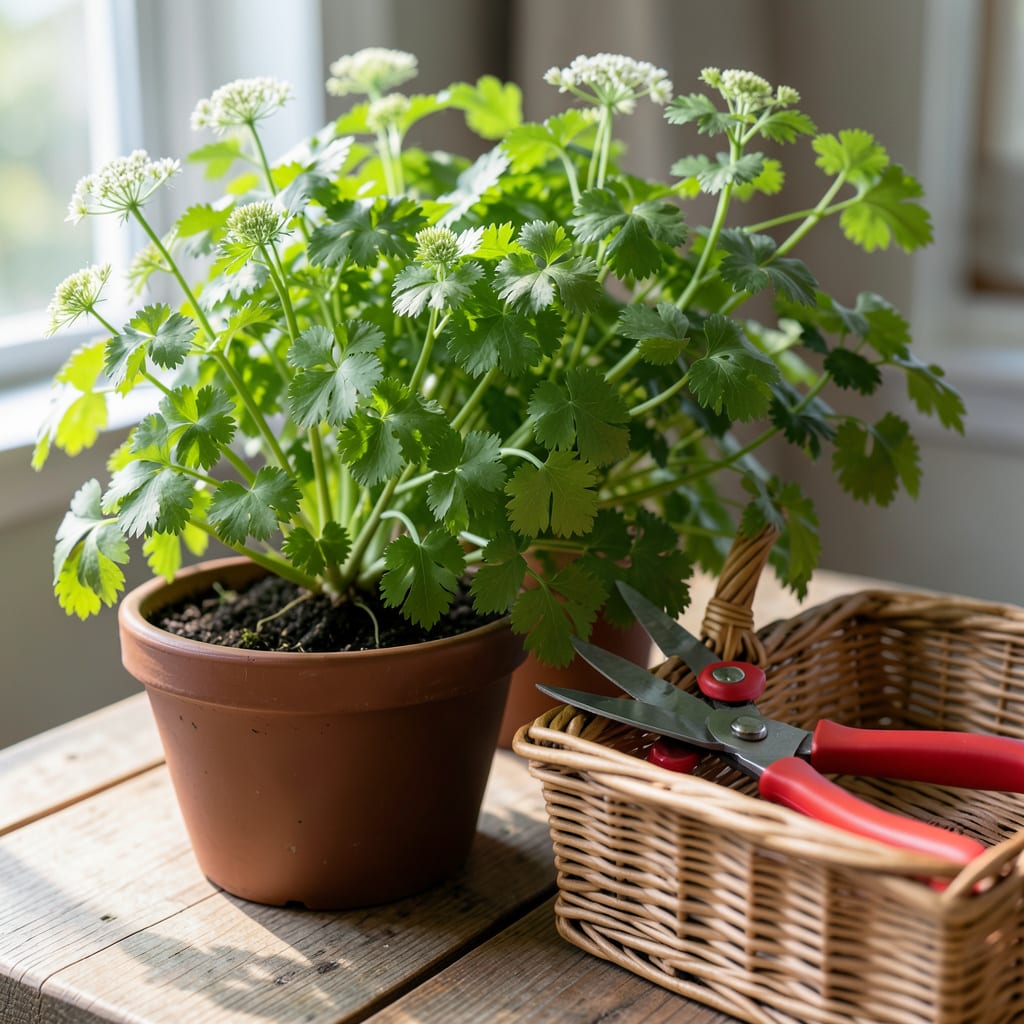
Timing your cilantro harvest can be the difference between fresh, vibrant leaves and a disappointing, bitter crop. I’ve learned the hard way that 60 days is the sweet spot for most plants.
With 🌿 Cilantro, the signs are clear once you know what to look for. Let me show you how to spot the perfect moment and keep your plants thriving all season long.


I’ve found that cilantro is at its peak when it reaches 4-6 inches tall with lush green leaves. This typically happens around 50-70 days after planting, depending on growing conditions.
Look for true leaves—not just the initial seed leaves. These are the feathery, deeply lobed ones that signal the plant is mature enough for harvesting.
| Stage | Sign |
|---|---|
| Height | 6+ inches tall |
| Leaves | Full and vibrant green |
| Stems | Firm but still tender |
| Flowers | None yet formed |
| Age | 50-70 days from seed |
The stem thickness is another key indicator. If the stems are pencil-thin or thicker, the plant is ready. Thinner stems mean it needs more time to mature.
I always check for flower buds. If you see them forming, it’s a sign the plant is about to bolt. Harvest immediately to avoid bitterness.
For the best flavor, I pick cilantro in the cool morning hours. The leaves are crisp and the essential oils are at their peak concentration.
A healthy cilantro plant will have multiple stems with abundant foliage. If it looks leggy or sparse, it may need more light or nutrients.
I’ve noticed that cilantro grown in full sun tends to mature faster than those in partial shade. Adjust your expectations based on your garden’s light conditions.
If your cilantro is slow to mature, check the soil temperature. It prefers 60-75°F for optimal growth. Cooler soils can delay development.
Once you spot these signs, don’t wait too long. Regular harvesting encourages bushier growth and extends your cilantro season. I aim to pick leaves every 1-2 weeks for a steady supply.
Remember, the younger leaves at the top of the plant are the most tender and flavorful. Focus your harvesting there for the best results ✂️
I’ve seen too many gardeners miss the perfect harvest window for cilantro. Once it passes its prime, the leaves turn bitter and the stems get woody. Here’s how to spot the red flags.
First, watch for yellowing leaves. This often means the plant is stressed or bolting. If the lower leaves start turning yellow, it’s time to act fast.
If you see flower stems shooting up, your cilantro is bolting. The leaves will quickly lose flavor as the plant focuses on producing coriander seeds instead.
Another clear sign is tough stems. When the stems become woody and hard to snap, the plant is past its ideal picking stage. The leaves will also taste more bitter at this point.
I also look for a loss of aroma. Fresh cilantro should have a strong citrusy scent. If it smells weak or grassy, it’s likely overmature and won’t taste as vibrant.
Don’t despair if you’ve missed the window. You can still salvage the seeds for coriander. Let the plant fully bolt, then collect the seeds once they turn brown and dry.
To prevent early bolting, I recommend successive planting. Sow new seeds every 2-3 weeks for a continuous supply of fresh cilantro 🌿
I always use sharp scissors or pruning shears to harvest cilantro cleanly. This prevents stem damage and helps the plant recover faster for the next harvest.
For continuous growth, I focus on outer leaves first. By cutting the older leaves at the base, I allow the center leaves to keep growing and producing new foliage.
I never harvest more than one-third of the plant at once. This ensures there’s enough foliage left for photosynthesis and continued growth.
After cutting, I
For the best results, I harvest cilantro in the early morning when the leaves are most hydrated and flavorful. This timing also helps the plant recover during the cooler parts of the day.
By following these techniques, I get multiple harvests from each cilantro plant throughout the growing season ✂️
Harvest when plants reach 4-6 inches tall. At this height, they’ll have enough lush green leaves for a good yield while maintaining tenderness.
Yes! Harvest before flower buds form to avoid bitterness. Once flowering starts, the plant redirects energy to seed production, making leaves less flavorful.
Overmature cilantro develops woody stems and bitter leaves. If you see yellowing leaves or flower stalks, it’s past peak. Harvest immediately or collect seeds for coriander.
Pick leaves every 1-2 weeks, removing no more than 1/3 of the plant at a time. This encourages bushier growth and extends your harvest season.
