
Beautiful Plants For Your Interior
Beautiful Plants For Your Interior
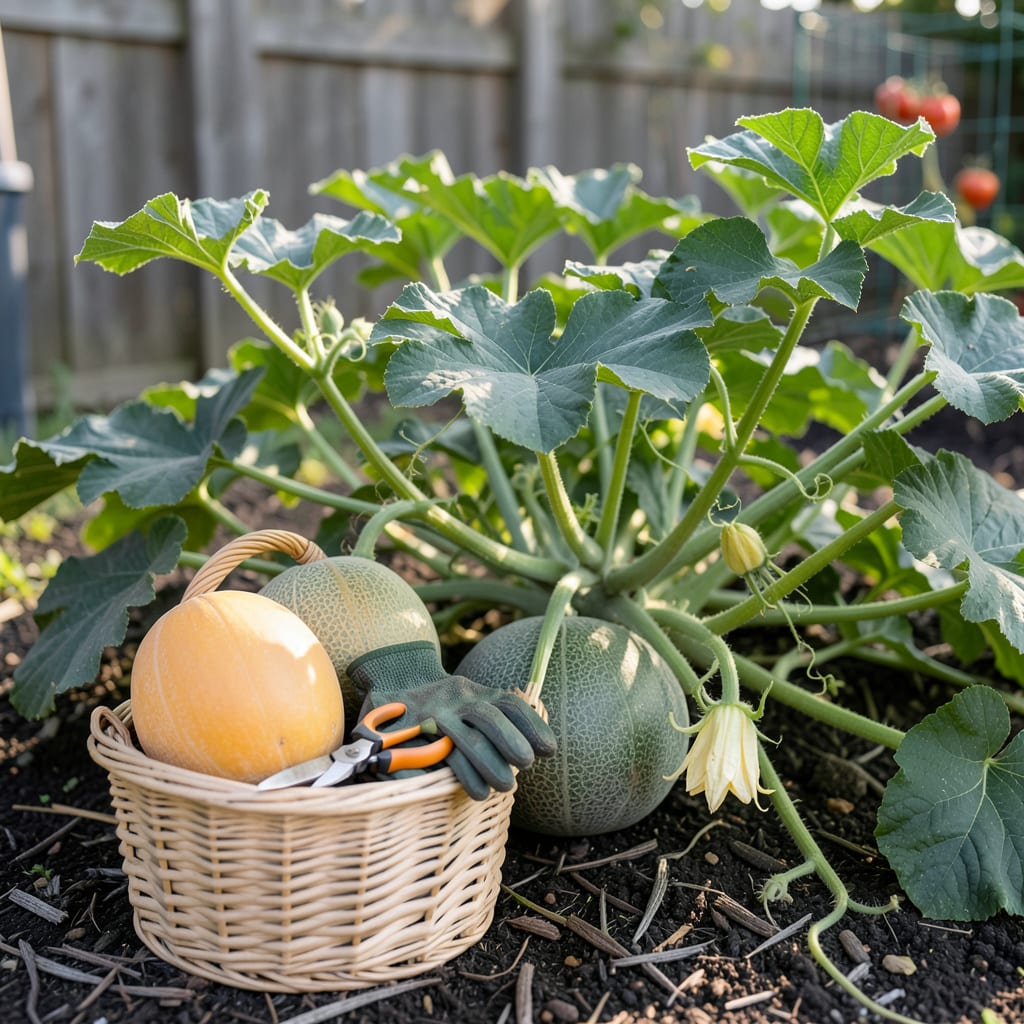
There’s nothing worse than cutting into a cantaloupe you’ve nurtured for months, only to find it underripe—or worse, overripe. That perfect balance of sweetness and juiciness depends entirely on one critical moment: when you decide to pick it.
I’ve learned the hard way that timing is everything with 🍈 cantaloupes. Whether you’re a first-time grower or a seasoned gardener, knowing the subtle signs of ripeness can mean the difference between a disappointing harvest and melon so delicious it’ll ruin store-bought for you forever. Let’s break it down.


After 70–90 days of watching your cantaloupe vines sprawl and flowers bloom, the real test begins: determining if your melon is truly ready. Unlike store-bought fruit, homegrown cantaloupes won’t ripen further once picked, so timing is everything. Here’s how to read the signs like a pro.
First, forget the “thump test” myths—while sound can help, it’s just one piece of the puzzle. Instead, focus on visual cues, texture changes, and even the aroma. I’ll walk you through the five foolproof indicators that guarantee a perfectly ripe cantaloupe every time.
Pro Tip: Check the tendril nearest the fruit—if it’s dried and brown, the melon is likely ready!
The stem slip test is my go-to method. Gently lift the cantaloupe—if it separates from the vine with little to no resistance, it’s ripe. This happens because the melon releases a natural abscission layer when fully mature. Never pull or twist; let the fruit detach naturally.
Next, examine the rind color beneath the netting. A ripe cantaloupe shifts from green to a creamy yellow or tan. The netting itself should feel slightly raised and rough—smooth skin often means it’s not ready. Press gently on the blossom end (opposite the stem); it should yield slightly, like a ripe avocado.
Your nose knows! A ripe cantaloupe emits a sweet, musky aroma at the stem end. If you smell nothing, wait a few days. If it smells overly strong or fermented, you’ve waited too long. For the sound test, tap the melon—listen for a dull, hollow thud, not a high-pitched ring.
Size matters too. Most cantaloupe varieties reach 4–6 inches in diameter when ripe. If yours is still small, give it more time. Watch the tendrils (the curly vine parts near the fruit)—when they turn brown and dry, harvest is usually 3–5 days away.
Weather plays a role. Hot, dry spells can speed up ripening, while cool, wet conditions slow it down. I once lost a near-perfect cantaloupe to an unexpected heatwave—it went from ripe to overripe in 24 hours. Check your melons daily as they approach maturity.
Avoid these common mistakes: picking based on size alone, ignoring the stem slip, or harvesting after rain (which can dilute sweetness). If you’re unsure, mark a melon with a non-toxic marker and check it daily. Remember, cantaloupes won’t ripen off the vine, so patience pays off.
Once you’ve mastered these signs, you’ll never second-guess your harvest again. That first bite of sun-warmed, vine-ripened cantaloupe—bursting with juice and sweetness—makes all the waiting worthwhile. Trust the process, and your taste buds will thank you! 🌱
Timing your cantaloupe harvest isn’t just about patience—it’s about preserving flavor and texture. Pick too soon, and you’ll get a hard, bland melon that never sweetens properly. I’ve ruined a few by being overzealous, only to watch them sit on my counter like sad, green baseballs. 🍈
The other extreme is just as bad. Leave cantaloupes on the vine past their prime, and they turn mushy inside, with fermented flavors that’ll make you question why you gardened in the first place. That perfect 2-3 day window of ripeness is what separates garden legends from the rest of us.
If you’ve already picked an underripe cantaloupe, don’t toss it yet. Try placing it in a paper bag with a banana for 24-48 hours—the ethylene gas might coax out a little sweetness. But let’s be real: it’ll never match vine-ripened perfection. That’s why I now check my melons daily once they start changing color. 🌱
Overripe melons are trickier to salvage. If the rind is still intact, you can scoop out the good flesh and compost the rest. But prevention is key: start checking for ripeness at 70-80 days after planting, depending on your variety. Most heirloom cantaloupes hit their stride right at 80 days, while hybrids may need 90. ✂️
Weather plays a sneaky role too. A heat wave can speed up ripening by 3-5 days, while cool, cloudy spells might delay it. I keep a garden journal to track these patterns—last summer’s drought taught me that melons ripen faster when they’re slightly stressed for water. Who knew thirsty vines make sweeter fruit? 💧
The bottom line? Your cantaloupe won’t ripen further once picked, so that stem-slip test isn’t just folklore—it’s science. When the fruit practically jumps into your hand with a gentle twist, and the tendril nearest the melon is brown and crispy, you’ve hit the jackpot. Everything else is just backup confirmation. 🌿
You’ve finally harvested that perfect cantaloupe—now what? Proper post-harvest handling is just as important as picking at the right time. I’ve lost too many melons to poor storage, so let me share the tricks that keep mine fresh for up to 10 days after harvest. 🌱
First, resist the urge to wash your cantaloupe immediately. The natural bloom (that dusty coating) actually protects the fruit. Instead, gently brush off dirt with a dry cloth. If you must wash it, do so right before eating to prevent mold growth. Store uncut melons at room temperature for 2-3 days to let flavors develop further.
✅ Pro Tip: Add a splash of lemon juice to frozen cantaloupe before blending into smoothies!
If you accidentally picked a cantaloupe slightly early, don’t panic. Place it in a paper bag with an apple or banana at room temperature. The ethylene gas from these fruits can help soften the flesh and boost sweetness over 24-48 hours. Just don’t expect miracles—it’ll never match vine-ripened perfection.
For cut cantaloupe, always use a clean knife and cutting board to avoid contamination. Store pieces in an airtight container with a paper towel to absorb excess moisture. I like to sprinkle a tiny bit of citric acid (1/8 tsp per cup) to preserve color and freshness. This keeps my melon looking vibrant for days.
Freezing is my secret weapon for preserving the harvest. Cube the flesh, freeze on a tray, then transfer to bags. These frozen chunks are perfect for smoothies or chilled soups—just thaw in the fridge overnight. Avoid refreezing, as this turns the texture grainy. Label bags with the date; cantaloupe keeps best within 6 months.
Watch for spoilage signs: soft spots, off smells, or mold. A ripe cantaloupe should smell sweet, not sour. If the rind develops dark spots or feels slimy, compost it immediately. Remember, proper storage starts the moment you pick—handle your melons gently to avoid bruising the delicate flesh inside. 🪴
Most varieties need 35-45 days from flowering to harvest. Count forward from when you first spot female flowers (the ones with tiny melons at their base). This timeline can shorten in hot weather or lengthen during cool spells.
Only if absolutely necessary—green cantaloupes won’t ripen properly off the vine. They’ll stay hard and lack sweetness. The stem slip test is your best indicator: if it doesn’t detach easily, leave it be. Patience pays off with juicier results!
That’s a classic sign of uneven ripening, often caused by inconsistent watering. The fruit develops aroma before full sweetness. Check soil moisture—aim for 1-2 inches per week, watering deeply at the base to avoid stressing the vines.
Early morning is ideal, while temperatures are still cool. This preserves crispness and flavor. Avoid picking during peak afternoon heat, which can cause stress to both plant and fruit. Use clean pruners or twist gently—never pull forcefully from the vine.
Watch for these red flags: the rind turns dull yellow-brown, develops soft spots, or emits a fermented smell. The stem may detach too easily (before you lift it). Overripe melons often feel heavy for their size and may split open.
